








Loading additional questions...
Popular
What motivates Kotovskiy to become a leader of the partisans?
How does the relationship between Kotovskiy and his comrades evolve throughout the series?
What role does the antagonist play in Kotovskiy's journey?
How does Kotovskiy's past influence his decisions during the conflict?
What are the key turning points in Kotovskiy's character development throughout the series?
Should I watch it?
Ask Your Own Question

What is the plot?
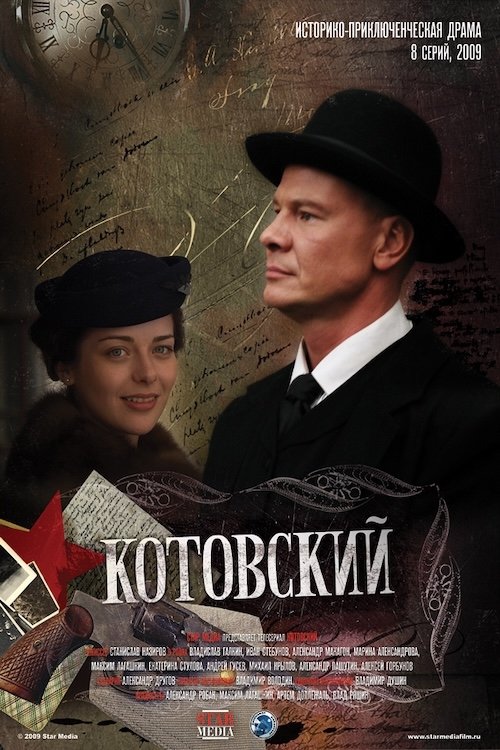
The story begins in the early 20th century, during the tumultuous period of the Russian Revolution. The protagonist, Grigory Kotovskiy, is introduced as a charismatic and brave leader of a band of partisans. He is depicted as a man of the people, fighting against the oppressive regime and seeking justice for the common folk. The opening scenes show him rallying his men, instilling a sense of purpose and camaraderie among them as they prepare for their next mission.
As the narrative unfolds, Kotovskiy and his group launch a series of daring raids against the local authorities and wealthy landowners. These raids are characterized by intense action sequences, showcasing Kotovskiy's tactical brilliance and his ability to inspire loyalty among his followers. During one such raid, they successfully liberate a village from the clutches of a corrupt landlord, earning the gratitude of the villagers who pledge their support to Kotovskiy.
However, the authorities are not idle. A ruthless police chief, determined to crush the rebellion, begins to hunt Kotovskiy and his men. This leads to a series of cat-and-mouse encounters, where Kotovskiy must constantly outsmart his pursuers. In one pivotal scene, Kotovskiy narrowly escapes an ambush set by the police, showcasing his quick thinking and resourcefulness. He uses the terrain to his advantage, leading his men through a dense forest, evading capture.
As the conflict escalates, Kotovskiy faces internal challenges as well. Tensions arise within his group, particularly with a rival faction that questions his leadership and methods. This culminates in a heated confrontation where Kotovskiy must assert his authority, reminding his men of their shared goals and the sacrifices they have made. This moment solidifies his position as a leader, but it also plants seeds of doubt in some of his followers.
The story takes a dramatic turn when Kotovskiy learns of a planned military operation against his group. In a race against time, he devises a counter-strategy, gathering intelligence and forming alliances with other revolutionary groups. The planning sequence is filled with tension as they prepare for the impending confrontation, highlighting the stakes involved and the weight of leadership on Kotovskiy's shoulders.
The climactic battle occurs in a strategically significant location, where Kotovskiy and his men face off against the military forces. The scene is intense, filled with gunfire, explosions, and the chaos of war. Kotovskiy leads the charge, demonstrating his bravery and tactical acumen. He makes critical decisions in the heat of battle, such as flanking the enemy and coordinating attacks, which ultimately turn the tide in favor of his group.
In the aftermath of the battle, Kotovskiy is celebrated as a hero among his people. However, the victory is bittersweet as he grapples with the loss of some of his closest comrades. This emotional toll weighs heavily on him, leading to moments of introspection where he questions the cost of their struggle. He reflects on the sacrifices made and the uncertain future that lies ahead.
As the revolution continues to unfold, Kotovskiy becomes a symbol of hope and resistance. He is approached by various factions seeking his leadership, but he remains steadfast in his commitment to his original group. This decision highlights his loyalty and the bonds he has formed with his men, even as external pressures mount.
The series concludes with Kotovskiy standing at a crossroads, facing the reality of the ongoing conflict and the challenges that lie ahead. He is depicted as a complex character, embodying both the ideals of the revolution and the personal struggles that come with leadership. The final scenes leave viewers with a sense of unresolved tension, reflecting the ongoing nature of the revolution and the enduring spirit of those who fight for change.









What is the ending?
In the ending of the TV show "Kotovskiy," the protagonist, Grigory Kotovskiy, faces the culmination of his struggles against the oppressive forces of the White Army. After a series of intense confrontations, he ultimately sacrifices himself for the cause he believes in, leaving a lasting impact on his comrades and the revolution.
As the final episodes unfold, the tension escalates. The scene opens with Kotovskiy and his loyal band of fighters preparing for a decisive battle against the White Army. The atmosphere is thick with anticipation and fear, as the men gather around a flickering campfire, their faces illuminated by the flames. Kotovskiy, embodying both strength and vulnerability, delivers a stirring speech, rallying his troops with a mix of hope and determination. His eyes reflect the weight of leadership, and the men respond with fervor, ready to follow him into the fray.
The next scene shifts to the battlefield, where the sounds of gunfire and chaos fill the air. The camera captures the grim reality of war, with soldiers falling and the landscape marred by destruction. Kotovskiy fights valiantly, his movements a blend of grace and ferocity. He is driven by a deep sense of justice and a desire to protect his comrades. As the battle rages on, he encounters several key adversaries, each representing the oppressive forces he despises. The stakes are high, and the emotional intensity is palpable as he confronts his enemies, fueled by a mix of anger and resolve.
In a pivotal moment, Kotovskiy finds himself face-to-face with a high-ranking officer of the White Army. The confrontation is charged with tension, as both men embody the conflicting ideologies of their respective sides. Kotovskiy's internal struggle is evident; he knows that his actions could change the course of the revolution. The fight is brutal, and as they clash, the camera captures the raw emotion on Kotovskiy's face--fear, determination, and an unwavering commitment to his cause.
As the battle reaches its climax, Kotovskiy makes a fateful decision. Realizing that victory is within reach but at a great cost, he chooses to sacrifice himself to ensure the safety of his comrades. In a heart-wrenching scene, he bids farewell to his closest allies, his voice steady but filled with emotion. The camera lingers on their faces, reflecting a mix of admiration and sorrow as they realize the weight of his sacrifice.
The final moments of the series depict the aftermath of the battle. The surviving fighters, inspired by Kotovskiy's bravery, rally together to continue the fight for their cause. The scene transitions to a quiet, somber reflection on the cost of war, with the camera panning over the battlefield littered with remnants of the conflict. The emotional weight of Kotovskiy's sacrifice hangs heavy in the air, symbolizing the struggle for freedom and the personal toll it takes on those who fight for it.
In the closing scenes, the remaining characters are shown grappling with their loss. Each one reflects on Kotovskiy's legacy, vowing to carry on his fight. The series ends on a poignant note, emphasizing the enduring spirit of revolution and the sacrifices made by those who dare to stand against oppression. The fate of each main character is intertwined with Kotovskiy's sacrifice, as they are left to navigate the uncertain future he has paved for them, forever changed by his courage and commitment to their shared cause.
Is there a post-credit scene?
What motivates Kotovskiy to become a leader of the partisans?
Kotovskiy, portrayed as a passionate and determined character, is driven by a deep sense of justice and a desire to protect his homeland from oppression. His personal experiences with injustice fuel his resolve to rally the people against their oppressors, showcasing his internal conflict between the desire for peace and the necessity of armed resistance.
How does the relationship between Kotovskiy and his comrades evolve throughout the series?
Initially, Kotovskiy is seen as a lone wolf, but as the series progresses, he forms strong bonds with his comrades. Their shared struggles and victories create a sense of brotherhood, leading to moments of camaraderie and conflict. The emotional stakes rise as they face betrayals and losses, testing their loyalty and commitment to each other and their cause.
What role does the antagonist play in Kotovskiy's journey?
The antagonist serves as a constant reminder of the oppressive regime that Kotovskiy fights against. This character embodies the challenges and moral dilemmas Kotovskiy faces, pushing him to confront his own beliefs about violence and leadership. Their confrontations are charged with tension, revealing Kotovskiy's growth as he learns to navigate the complexities of war and morality.
How does Kotovskiy's past influence his decisions during the conflict?
Kotovskiy's past is marked by personal loss and betrayal, which profoundly shapes his worldview. Flashbacks reveal his early life experiences, instilling in him a fierce determination to protect the innocent. These memories haunt him, driving his decisions in battle and his interactions with others, as he grapples with the weight of his past while striving for a better future.
What are the key turning points in Kotovskiy's character development throughout the series?
Key turning points include moments of personal loss, such as the death of a close comrade, which forces Kotovskiy to confront the harsh realities of war. Another pivotal moment occurs when he must choose between vengeance and mercy, leading to significant growth in his character. These experiences challenge his ideals and ultimately shape him into a more nuanced leader, balancing his passion with the responsibilities of command.
Is this family friendly?
"Kotovskiy," produced in 2010, is a historical drama that delves into the life of the legendary Soviet military leader, Alexander Kotovsky. While the show is rich in historical context and character development, it does contain several elements that may not be suitable for children or sensitive viewers.
-
Violence and Warfare: The series portrays various battles and military confrontations, which include scenes of combat, injuries, and death. The depiction of violence is integral to the storyline, reflecting the harsh realities of war.
-
Death and Loss: Characters experience significant loss, including the deaths of loved ones and comrades. These moments are emotionally charged and may be distressing for younger viewers.
-
Political Intrigue: The show explores themes of betrayal, espionage, and the moral complexities of leadership during tumultuous times. The portrayal of political machinations may be confusing or unsettling for children.
-
Emotional Turmoil: Characters often grapple with intense emotions such as grief, anger, and despair. These emotional struggles are depicted in a raw and realistic manner, which may be heavy for sensitive audiences.
-
Social Injustice: The series addresses issues of class struggle and social inequality, showcasing the harsh conditions faced by the working class. These themes may provoke discomfort or concern.
Overall, while "Kotovskiy" offers a compelling narrative and rich character arcs, its mature themes and depictions of violence and emotional distress may not be appropriate for younger or more sensitive viewers.