




Popular
What are the key characteristics of the brides featured in My Big Fat Gypsy Wedding?
How do the families influence the wedding planning process in the show?
What are some of the most memorable wedding themes or concepts presented in the show?
How do the brides cope with the pressure of societal expectations during their weddings?
What role does the concept of tradition play in the weddings depicted in the show?
Should I watch it?
Ask Your Own Question

What is the plot?
"My Big Fat Gypsy Wedding" is a documentary-style television series that follows the lives of the British Romani and Irish Traveller communities, focusing on their extravagant weddings and unique cultural practices. The show features various couples and their families, showcasing the preparations, traditions, and emotional dynamics involved in their wedding ceremonies.
The series opens with a glimpse into the vibrant and colorful world of gypsy weddings, highlighting the importance of these events within the community. The first couple introduced is a young bride named "Megan," who is preparing for her wedding day. Megan's family is deeply involved in the planning, emphasizing the significance of tradition and the expectations placed on the bride.
As the wedding preparations unfold, viewers see Megan trying on her elaborate wedding dress, which is adorned with sequins and lace, reflecting the opulence that is characteristic of gypsy weddings. Her excitement is palpable, but there is also pressure from her family to meet their high standards. The scene shifts to her mother, who expresses her desire for everything to be perfect, revealing the emotional stakes involved.
Next, the narrative introduces another couple, "Danny" and "Mary," who are also preparing for their wedding. Their story contrasts with Megan's, as they face challenges related to their families' expectations and the financial burden of the wedding. Danny's family is shown discussing the costs, and there is tension as they navigate their limited budget while trying to maintain the extravagant traditions.
As the wedding day approaches, both couples experience a mix of excitement and anxiety. Megan's family organizes a lavish reception, complete with a horse-drawn carriage and a large venue decorated with flowers and lights. The day of the wedding arrives, and Megan is seen getting ready with her bridesmaids, who are dressed in matching outfits. The emotional weight of the day is evident as she reflects on her future and the responsibilities that come with marriage.
Meanwhile, Danny and Mary's wedding day is filled with its own set of challenges. They face last-minute issues with the venue and the arrival of guests. Tensions rise as family members argue over seating arrangements and other details, showcasing the stress that often accompanies such large gatherings. Despite the chaos, the couple remains focused on their love for each other.
As the ceremonies begin, both weddings feature traditional elements such as music, dancing, and heartfelt speeches from family members. Megan's wedding is particularly extravagant, with a large cake and a choreographed dance performance. The joy of the celebration is contrasted with moments of reflection, where both brides consider the significance of their commitments.
The climax of the episode occurs during the receptions, where both couples share their first dances. Megan and her husband are surrounded by family and friends, celebrating their union with laughter and tears. In contrast, Danny and Mary's reception is marked by emotional speeches that highlight the challenges they have faced together, reinforcing their bond.
As the weddings conclude, the series captures the aftermath of the celebrations. Megan and her husband discuss their future, expressing hopes and dreams while acknowledging the pressures of their community. Danny and Mary reflect on their day, recognizing the importance of family support and the love that brought them together.
The episode wraps up with a montage of both couples enjoying their new lives as married partners, interspersed with scenes of their families celebrating the unions. The emotional highs and lows of the wedding experience are encapsulated, leaving viewers with a vivid portrayal of the cultural significance of these events within the gypsy community.








What is the ending?
In the ending of "My Big Fat Gypsy Wedding," the various storylines culminate in a series of extravagant weddings, showcasing the unique traditions and vibrant cultures of the gypsy community. The brides, adorned in lavish gowns, experience the highs and lows of their special day, while family dynamics and cultural expectations play a significant role in their celebrations. Ultimately, the film concludes with a sense of joy and community, despite the challenges faced by the characters.
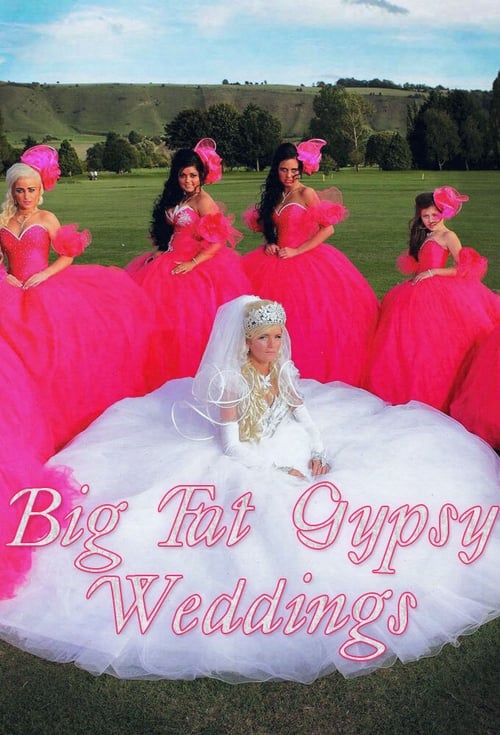
As the final scenes unfold, we see the culmination of the wedding preparations. The camera pans over a bustling scene filled with colorful decorations, excited family members, and the unmistakable energy of anticipation. The brides, each with their own distinct style, are dressed in stunning gowns that reflect their personalities and cultural heritage. The dresses are often adorned with sequins, lace, and extravagant embellishments, capturing the eye and embodying the spirit of the occasion.
In one particular wedding, the bride, with her hair intricately styled and a tiara perched atop her head, stands nervously at the altar. Her family surrounds her, their expressions a mix of pride and anxiety. The groom, equally dressed to impress, waits with a look of determination, eager to begin their life together. As the ceremony progresses, the emotional weight of the moment becomes palpable. The bride's internal conflict is evident; she grapples with the expectations placed upon her by her family and the desire to forge her own path.
Meanwhile, another storyline follows a different couple, whose wedding is marked by a series of comedic mishaps. The groom's best man, tasked with ensuring everything goes smoothly, finds himself in a series of humorous predicaments, adding a light-hearted touch to the proceedings. Despite the chaos, the couple remains focused on their love for one another, showcasing the resilience of their bond amidst the challenges.
As the weddings reach their climax, the celebrations burst into life. The reception is filled with laughter, dancing, and heartfelt toasts. The families come together, united in their shared traditions and the joy of the moment. The camera captures the vibrant atmosphere, with guests twirling in their colorful attire, the sound of music echoing through the air, and the aroma of traditional foods wafting from the banquet tables.
In the final moments, the film emphasizes the importance of family and community. The characters reflect on their journeys, acknowledging the struggles they faced while celebrating the love that brought them together. The brides, now married, share a moment of camaraderie, their eyes shining with hope for the future. The film closes with a montage of the couples dancing, surrounded by their loved ones, encapsulating the essence of their culture and the joy of their new beginnings.
As the credits roll, viewers are left with a sense of warmth and connection, having witnessed the beauty and complexity of gypsy weddings, and the enduring spirit of love that transcends challenges. Each character, having navigated their own path, emerges with a renewed sense of purpose and belonging, ready to embrace the next chapter of their lives.
Is there a post-credit scene?
"My Big Fat Gypsy Wedding," produced in 2010, does not feature a post-credit scene. The show primarily focuses on the extravagant and often over-the-top weddings of the Romani and Traveller communities in the UK. Each episode showcases various couples preparing for their big day, highlighting the cultural traditions, family dynamics, and the emotional stakes involved in these celebrations. The series concludes each episode without any additional scenes or content after the credits.
What are the key characteristics of the brides featured in My Big Fat Gypsy Wedding?
The brides in My Big Fat Gypsy Wedding are often characterized by their extravagant and elaborate wedding dresses, which can weigh up to 30 stone and feature intricate designs, sequins, and layers of tulle. They embody a sense of tradition and cultural pride, often showcasing their family's heritage through their attire and ceremonies. Emotionally, they experience a mix of excitement and anxiety as they prepare for their big day, reflecting the high stakes and expectations placed upon them by their families.
How do the families influence the wedding planning process in the show?
In My Big Fat Gypsy Wedding, family plays a crucial role in the wedding planning process. The brides often rely heavily on their mothers and extended family members for guidance and support. This can lead to conflicts, as differing opinions on dress styles, venue choices, and guest lists emerge. The emotional stakes are high, as the brides want to please their families while also expressing their own desires, leading to moments of tension and heartfelt discussions.
What are some of the most memorable wedding themes or concepts presented in the show?
The show features a variety of memorable wedding themes, including a fairy tale princess theme with a bride dressed in a gown reminiscent of Cinderella, and a glamorous Hollywood theme where the couple arrives in a stretch limousine. Each theme is meticulously planned, reflecting the couple's personalities and aspirations. The emotional impact of these themes is significant, as they often represent the couple's dreams and the expectations of their families, leading to moments of joy and celebration.
How do the brides cope with the pressure of societal expectations during their weddings?
The brides in My Big Fat Gypsy Wedding often feel immense pressure from societal expectations, which can lead to stress and anxiety. They cope by seeking support from their families and friends, who help them navigate the challenges of planning a wedding that meets both personal desires and cultural standards. Emotional moments arise as they express their fears and hopes, revealing their vulnerability amidst the grandeur of their weddings.
What role does the concept of tradition play in the weddings depicted in the show?
Tradition plays a central role in the weddings depicted in My Big Fat Gypsy Wedding, influencing everything from the choice of attire to the rituals performed during the ceremony. Brides often adhere to customs that have been passed down through generations, which can create a sense of pride and connection to their heritage. However, this adherence to tradition can also lead to internal conflict as brides balance their personal wishes with familial expectations, resulting in emotionally charged moments throughout the planning and execution of their weddings.
Is this family friendly?
"My Big Fat Gypsy Wedding," produced in 2010, showcases the vibrant and often extravagant lives of the Romani and Traveller communities in the UK. While the show is visually captivating and filled with colorful celebrations, it does contain elements that may not be suitable for all audiences, particularly children or sensitive viewers.
-
Cultural Stereotypes: The show often highlights stereotypes associated with the Romani and Traveller communities, which may lead to misunderstandings or reinforce negative perceptions.
-
Marriage at a Young Age: The series features young brides, some as young as 16, preparing for their weddings, which may raise concerns about the portrayal of youth and marriage.
-
Emotional Tensions: There are scenes depicting family conflicts, emotional breakdowns, and stress related to wedding planning, which could be upsetting for younger viewers.
-
Body Image Issues: The emphasis on extravagant dresses and physical appearance can lead to discussions about body image and self-esteem, which may be sensitive topics for some.
-
Financial Strain: Some families face financial difficulties while trying to maintain extravagant wedding traditions, which could be distressing for viewers who relate to such struggles.
-
Candid Discussions: The show includes candid conversations about relationships, fidelity, and family dynamics that may not be appropriate for younger audiences.
Overall, while the show is rich in cultural representation and celebration, it does contain themes and scenes that may be objectionable or upsetting for children and sensitive viewers.