



























Popular
What is the relationship between Dalva and Herivelto throughout the series?
How does Dalva's career evolve throughout the series?
What role do the supporting characters play in Dalva and Herivelto's story?
What are the key conflicts that arise between Dalva and Herivelto?
How does the series portray the theme of love and sacrifice in Dalva and Herivelto's relationship?
Should I watch it?
Ask Your Own Question

What is the plot?
The story begins in the 1940s, introducing Dalva, a talented singer, and Herivelto, a charismatic musician. They meet at a music event, where their chemistry is palpable. Dalva is captivated by Herivelto's charm and musical talent, while Herivelto is drawn to Dalva's beauty and voice. Their initial interactions are filled with flirtation and shared dreams of musical success, setting the stage for a passionate romance.
As their relationship develops, Dalva and Herivelto begin performing together, quickly gaining popularity. They create a successful duo, and their music resonates with audiences. However, the pressures of fame and the demands of the music industry start to strain their relationship. Dalva feels overshadowed by Herivelto's growing fame, leading to moments of jealousy and insecurity. Herivelto, on the other hand, struggles with the expectations placed upon him as a leading figure in the music scene.
Conflict arises when Dalva discovers that Herivelto has been unfaithful. This betrayal shatters her trust, and she confronts him in a heated argument. Herivelto tries to justify his actions, claiming that the pressures of their careers have taken a toll on him. Dalva, heartbroken, decides to take a break from their relationship and focus on her solo career. This decision marks a turning point, as both characters must navigate their personal and professional lives apart.
During their separation, Dalva finds success as a solo artist, but she feels a deep sense of loss without Herivelto by her side. She struggles with the emotional fallout of their breakup, often reflecting on their shared memories and the love they once had. Meanwhile, Herivelto grapples with his own feelings of regret and loneliness. He attempts to win Dalva back, but his efforts are met with resistance as she prioritizes her independence.
As time passes, Dalva and Herivelto's paths cross again at a music festival. The reunion is charged with unresolved emotions, and they share a moment of vulnerability, reminiscing about their past. However, the lingering tension between them is evident, and they part ways once more, each feeling the weight of what could have been.
The narrative takes a dramatic turn when Dalva learns that Herivelto is in a new relationship. This news devastates her, reigniting feelings of jealousy and heartbreak. In a moment of desperation, she reaches out to him, leading to a confrontation where they both express their pain and longing. This emotional exchange forces them to confront their feelings for each other, but they ultimately decide to remain apart, believing it is for the best.
In the final act, Dalva faces a significant career opportunity that could elevate her status in the music industry. However, she must choose between her ambition and her lingering feelings for Herivelto. As she prepares for a major performance, she reflects on her journey and the sacrifices she has made. The climax of the story occurs during this performance, where Dalva pours her heart into her music, channeling her emotions into a powerful rendition that captivates the audience.
The story concludes with Dalva and Herivelto attending the same event once more, where they share a bittersweet moment of acknowledgment. They realize that despite their tumultuous relationship, they have both grown as individuals. The final scene leaves their future ambiguous, suggesting that while their love story may have reached a conclusion, the impact of their connection will linger on in their hearts and music.









What is the ending?
In the ending of "Dalva e Herivelto: Uma Canção de Amor," the tumultuous relationship between Dalva and Herivelto reaches a poignant conclusion. After a series of personal and professional struggles, the couple ultimately separates, with Dalva finding her own path and Herivelto continuing to grapple with his own demons. The story closes on a bittersweet note, reflecting on love, loss, and the complexities of their intertwined lives.
As the final scenes unfold, we see Dalva, portrayed with a mix of strength and vulnerability, standing at a crossroads in her life. She has endured the highs and lows of her relationship with Herivelto, marked by passionate love and deep betrayal. The emotional weight of their shared history hangs heavily in the air as she contemplates her future.
In a pivotal scene, Dalva is seen in her dressing room, preparing for a performance. The mirror reflects not just her physical appearance but also the emotional scars of her past. She takes a deep breath, her hands trembling slightly as she applies her makeup, a metaphor for the façade she has worn throughout her tumultuous relationship. The audience can feel her internal struggle; she is torn between the love she still holds for Herivelto and the need to reclaim her independence.
Meanwhile, Herivelto is depicted in a contrasting light. He is alone in a dimly lit bar, nursing a drink, lost in thought. The weight of his choices bears down on him, and the loneliness is palpable. He reflects on the moments of joy and pain shared with Dalva, realizing that his actions have led to their separation. His internal conflict is evident as he grapples with regret and longing, wishing for a different outcome but knowing that he has pushed her away.
As the narrative progresses, Dalva takes the stage for her performance. The lights shine brightly on her, illuminating her as she sings a heartfelt song that encapsulates her journey. The lyrics resonate with the audience, echoing themes of love, heartache, and resilience. In this moment, Dalva transforms her pain into art, showcasing her strength and determination to move forward.
In a final, emotional confrontation, Dalva and Herivelto meet one last time. The atmosphere is charged with unspoken words and unresolved feelings. They exchange glances filled with a mixture of love and sorrow, acknowledging the end of their chapter together. Dalva, with tears in her eyes, expresses her desire to find her own path, while Herivelto, visibly shaken, understands that he must let her go. This moment is a culmination of their shared experiences, a bittersweet farewell that encapsulates the essence of their relationship.
As the story concludes, Dalva walks away, her silhouette fading into the distance, symbolizing her journey towards self-discovery and independence. Herivelto remains behind, a figure of lost love and regret, left to confront the consequences of his actions. The screen fades to black, leaving the audience with a lingering sense of the complexities of love and the inevitability of change.
In summary, Dalva finds her strength and independence, while Herivelto is left to reflect on his choices. Their paths diverge, marking the end of a passionate yet tumultuous love story, encapsulating the themes of love, loss, and personal growth.
Is there a post-credit scene?
The TV show "Dalva e Herivelto: Uma Canção de Amor," produced in 2010, does not feature a post-credit scene. The narrative concludes with the final episode, focusing on the emotional and dramatic resolution of the characters' arcs without any additional scenes after the credits. The story wraps up the tumultuous relationship between Dalva and Herivelto, highlighting their struggles, love, and the impact of their music on their lives, leaving viewers with a poignant sense of closure.
What is the relationship between Dalva and Herivelto throughout the series?
Dalva and Herivelto's relationship is central to the narrative, showcasing a passionate yet tumultuous romance. Initially, they are deeply in love, sharing dreams of musical success and personal happiness. However, as the story progresses, their relationship is tested by jealousy, infidelity, and the pressures of fame. Dalva's emotional struggles are palpable as she grapples with Herivelto's betrayals, leading to moments of intense conflict and reconciliation. Their bond oscillates between love and pain, reflecting the complexities of their artistic and personal lives.
How does Dalva's career evolve throughout the series?
Dalva's career trajectory is marked by significant milestones and challenges. Starting as a hopeful singer, she faces numerous obstacles, including societal expectations and personal sacrifices. Her rise to fame is depicted through vibrant performances and the emotional toll of public scrutiny. As she gains recognition, her ambition clashes with Herivelto's controlling nature, leading to pivotal moments where she must assert her independence. The series captures her evolution from a dependent partner to a strong, self-reliant artist, highlighting her resilience and determination.
What role do the supporting characters play in Dalva and Herivelto's story?
The supporting characters in 'Dalva e Herivelto' serve to enrich the narrative and provide depth to the main characters' arcs. Friends, family, and fellow artists influence Dalva and Herivelto's decisions and emotional states. For instance, Dalva's mother represents traditional values, often clashing with her daughter's aspirations. Meanwhile, Herivelto's colleagues reflect the competitive nature of the music industry, adding tension to his relationship with Dalva. These characters contribute to the themes of love, ambition, and betrayal, shaping the protagonists' journeys.
What are the key conflicts that arise between Dalva and Herivelto?
Key conflicts between Dalva and Herivelto arise from jealousy, ambition, and personal insecurities. Herivelto's infidelities create a rift, leading to emotional confrontations that reveal their vulnerabilities. Dalva's desire for independence clashes with Herivelto's possessiveness, resulting in heated arguments and moments of despair. Additionally, the pressures of their public personas exacerbate their issues, as they navigate the complexities of fame together. These conflicts are pivotal in driving the narrative forward, showcasing the fragility of their love amidst the chaos of their lives.
How does the series portray the theme of love and sacrifice in Dalva and Herivelto's relationship?
The series intricately portrays love and sacrifice through Dalva and Herivelto's relationship, emphasizing the emotional weight of their choices. Dalva often sacrifices her personal happiness for Herivelto's career, showcasing her deep commitment. Conversely, Herivelto's actions frequently lead to Dalva's heartbreak, forcing her to confront the limits of her love. The narrative highlights moments of selflessness and betrayal, illustrating how their love is both a source of strength and a catalyst for pain. This duality is central to their story, making their journey a poignant exploration of love's complexities.
Is this family friendly?
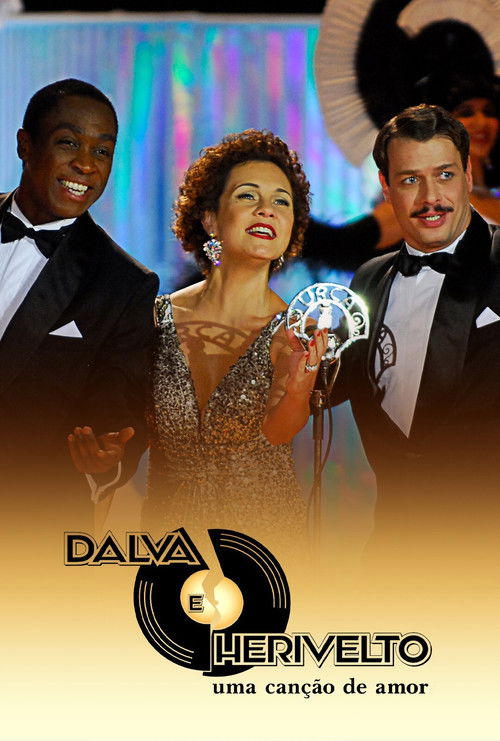
"Dalva e Herivelto: Uma Canção de Amor" is a biographical drama that explores the tumultuous relationship between the famous Brazilian singer Dalva de Oliveira and her husband, Herivelto Martins. While the show is rich in music and emotional storytelling, it does contain some themes and scenes that may not be suitable for children or sensitive viewers.
-
Romantic Turmoil: The series delves into the complexities of Dalva and Herivelto's relationship, including infidelity and emotional conflict, which may be difficult for younger audiences to understand.
-
Family Struggles: There are scenes depicting family discord, including arguments and the impact of their relationship on their children, which can be emotionally charged.
-
Depression and Heartbreak: Characters experience deep emotional pain, including moments of sadness and despair, which may be upsetting for sensitive viewers.
-
Social Issues: The show touches on themes of societal expectations and the pressures of fame, which may include scenes of public scrutiny and personal struggles.
-
Alcohol Use: There are instances of characters consuming alcohol, which may not be appropriate for younger viewers.
Overall, while the series is a poignant portrayal of love and music, its mature themes and emotional depth may require parental discretion for younger audiences.