








Popular
What are the key events in Rocío Dúrcal's early life that shaped her career?
How does Rocío Dúrcal's relationship with her family influence her career choices?
What challenges does Rocío Dúrcal face in her personal life throughout the series?
How does Rocío Dúrcal's relationship with her husband evolve over the course of the series?
What role do Rocío Dúrcal's musical performances play in the narrative?
Should I watch it?
Ask Your Own Question

What is the plot?
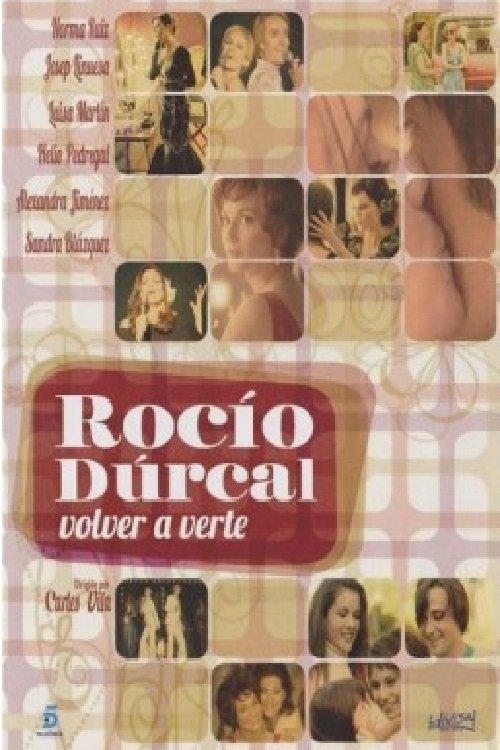
Rocío Dúrcal, volver a verte begins with a nostalgic tone as the audience is introduced to Rocío Dúrcal, a beloved Spanish singer and actress. The narrative unfolds through a series of flashbacks and present-day scenes that explore her life, career, and the emotional struggles she faced. The story is framed around her return to the stage after a long absence, highlighting her desire to reconnect with her fans and her passion for music.
In the opening scenes, Rocío is seen reflecting on her past, surrounded by memorabilia from her career. The audience is given glimpses of her childhood, showcasing her early love for music and the support she received from her family. This foundation sets the stage for her later successes and the challenges she would encounter in the entertainment industry.
As the plot progresses, Rocío's rise to fame is depicted through a series of performances and interactions with key figures in her life, including her family, friends, and colleagues. The narrative delves into her relationships, particularly with her husband, Antonio, who is portrayed as both a supportive partner and a source of tension due to the demands of her career. Their dynamic is explored in depth, revealing the sacrifices they both make for Rocío's success.
The story takes a poignant turn when Rocío faces health issues that threaten her ability to perform. This development adds a layer of emotional complexity as she grapples with the fear of losing her voice and the impact it would have on her career. The audience witnesses her determination to overcome these obstacles, showcasing her resilience and passion for music.
Throughout the film, Rocío's interactions with her fans are highlighted, emphasizing the deep connection she has with them. Scenes of her performing in front of adoring crowds are interspersed with moments of vulnerability, where she reflects on the pressures of fame and the toll it takes on her personal life. These performances serve as a cathartic release for Rocío, allowing her to express her emotions and connect with her audience on a profound level.
As the climax approaches, Rocío is faced with a critical decision regarding her health and career. She must choose between undergoing a risky medical procedure that could jeopardize her voice or continuing to perform despite her condition. This internal conflict is portrayed with raw emotion, as Rocío weighs her love for music against the potential consequences for her health and family life.
In the final act, Rocío ultimately decides to go through with the procedure, driven by her desire to reclaim her voice and continue her legacy as a performer. The tension builds as she prepares for the surgery, surrounded by her loved ones who express their concern and support. The audience is left on edge, anticipating the outcome of her decision.
The film concludes with Rocío's triumphant return to the stage after her recovery. Her performance is a celebration of her journey, filled with emotion and gratitude for her fans and family. The closing scenes depict her reflecting on her life, embracing both the joys and challenges she has faced. The narrative ends on a hopeful note, highlighting Rocío's enduring spirit and her unwavering love for music, leaving a lasting impression on the audience.









What is the ending?
In the ending of "Rocío Dúrcal, volver a verte," Rocío faces the culmination of her struggles and triumphs as she reflects on her life and career. The narrative concludes with a poignant reunion with her family and a celebration of her legacy, emphasizing the love and support that has surrounded her throughout her journey.
As the final scenes unfold, Rocío is seen preparing for a significant performance, a moment that encapsulates her dedication to music and her fans. The atmosphere is charged with anticipation, and Rocío's emotional state is a blend of excitement and nostalgia. She is surrounded by her loved ones, who offer their unwavering support, reminding her of the importance of family in her life.
The performance itself is a powerful moment, showcasing Rocío's talent and the deep connection she has with her audience. As she sings, the camera captures the faces of her family and fans, reflecting their pride and admiration. The scene is filled with vibrant colors and emotional expressions, highlighting the joy that music brings to both Rocío and those who cherish her.
In the final moments, Rocío stands on stage, taking in the applause and love from the crowd. The scene fades to black, leaving viewers with a sense of closure and the enduring impact of Rocío's artistry.
Now, let's delve into the ending in a more detailed, chronological narrative.
The final act begins with Rocío Dúrcal in her dressing room, surrounded by the familiar faces of her family. The atmosphere is a mix of excitement and nervousness as she prepares for a major concert that symbolizes not just her career but also her personal journey. Rocío's heart races as she looks in the mirror, reflecting on the years of hard work, sacrifices, and the love that has fueled her passion for music. Her family members, including her children and husband, offer words of encouragement, reminding her of the strength they share.
As she steps onto the stage, the lights dim, and the audience erupts in applause. Rocío's emotional state shifts from anxiety to exhilaration as she takes in the sea of faces, all there to celebrate her. The stage is adorned with vibrant decorations, and the energy in the venue is palpable. Rocío begins to sing, her voice resonating with the audience, each note filled with the depth of her experiences. The camera pans over the crowd, capturing the tears and smiles of her fans, illustrating the profound connection between the artist and her audience.
Throughout the performance, flashbacks intersperse the live action, showcasing key moments from Rocío's life--her early struggles, her rise to fame, and the unwavering support of her family. These memories serve to deepen the emotional weight of the concert, reminding viewers of the journey that has led her to this moment. Rocío's face reflects a mixture of joy and nostalgia as she sings songs that have defined her career, each lyric resonating with her personal story.
As the concert reaches its climax, Rocío delivers a heartfelt message to her audience, expressing gratitude for their support and love. Her voice trembles with emotion, and the sincerity in her words resonates deeply with everyone present. The scene captures the essence of her character--an artist who has always valued her connection with her fans and family above all else.
In the final moments of the concert, Rocío stands center stage, soaking in the applause and cheers. The lights shine brightly upon her, illuminating her as a symbol of resilience and passion. The camera captures her family in the audience, their faces beaming with pride and love. As the applause continues, Rocío takes a moment to reflect, her eyes glistening with tears of joy.
The screen fades to black, leaving the audience with a lingering sense of hope and fulfillment. The final scene encapsulates the essence of Rocío Dúrcal's journey--her struggles, her triumphs, and the enduring love of her family and fans. Each character's fate is intertwined with Rocío's legacy, emphasizing the importance of love, support, and the power of music to unite and heal. The story concludes, but the impact of Rocío's life and artistry continues to resonate, leaving a lasting impression on all who have followed her journey.
Is there a post-credit scene?
The TV show "Rocío Dúrcal, volver a verte," produced in 2011, does not feature a post-credit scene. The series concludes with a poignant final episode that encapsulates the life and legacy of the beloved Spanish singer and actress Rocío Dúrcal. The narrative wraps up her journey, highlighting her struggles, triumphs, and the deep emotional connections she forged throughout her life and career. The absence of a post-credit scene allows the audience to reflect on her story and the impact she had on music and culture, leaving a lasting impression without additional content after the credits.
What are the key events in Rocío Dúrcal's early life that shaped her career?
Rocío Dúrcal's early life is marked by her humble beginnings in Madrid, where her passion for music was ignited at a young age. Her family's support played a crucial role as she participated in local singing competitions, showcasing her talent. The turning point came when she was discovered by a talent scout, leading to her first recording contract, which set the stage for her rise to fame.
How does Rocío Dúrcal's relationship with her family influence her career choices?
Rocío's relationship with her family is deeply intertwined with her career. Her parents, particularly her mother, are portrayed as her biggest supporters, encouraging her to pursue her dreams despite the challenges. This familial bond often creates emotional conflicts for Rocío, as she struggles to balance her rising fame with her responsibilities and loyalty to her family.
What challenges does Rocío Dúrcal face in her personal life throughout the series?
Throughout the series, Rocío faces numerous personal challenges, including the pressures of fame, the strain on her marriage, and the impact of her career on her relationships with her children. These challenges are depicted through emotional scenes where she grapples with feelings of isolation and the sacrifices she must make for her career, leading to moments of vulnerability and introspection.
How does Rocío Dúrcal's relationship with her husband evolve over the course of the series?
Rocío's relationship with her husband, Antonio, evolves significantly throughout the series. Initially portrayed as a supportive partner, tensions arise as Rocío's career takes off, leading to jealousy and misunderstandings. Their relationship is tested by the demands of her fame, resulting in poignant moments of conflict and reconciliation that highlight the complexities of love and ambition.
What role do Rocío Dúrcal's musical performances play in the narrative?
Rocío's musical performances are central to the narrative, serving as both a reflection of her emotional state and a means of connecting with her audience. Each performance is meticulously crafted, showcasing her vocal talent and the emotional depth of her songs. These scenes often coincide with pivotal moments in her life, allowing viewers to experience her triumphs and struggles through the power of music.
Is this family friendly?
"Rocío Dúrcal, volver a verte" is a biographical television series that delves into the life of the beloved Spanish singer and actress Rocío Dúrcal. While the show is primarily focused on her career and personal life, there are several aspects that may be considered objectionable or upsetting for children or sensitive viewers.
-
Themes of Loss and Grief: The series explores the emotional turmoil surrounding the loss of loved ones, which may be heavy for younger audiences or those sensitive to themes of death.
-
Romantic Relationships: There are depictions of complex romantic relationships that may include heartbreak, infidelity, and emotional conflict, which could be challenging for younger viewers to understand.
-
Family Struggles: The show portrays familial tensions and conflicts, including disagreements and emotional struggles within the family, which may resonate deeply with some viewers.
-
Health Issues: There are references to health problems and the impact they have on Rocío and her family, which could be distressing for sensitive viewers.
-
Public Scrutiny: Rocío faces intense media scrutiny and public pressure, leading to moments of anxiety and stress that may be unsettling for some.
Overall, while the series is a tribute to Rocío Dúrcal's life and achievements, its exploration of emotional and complex themes may not be suitable for all children or sensitive individuals.