






Popular
What events led to Hitler's rise to power in Germany?
How did Hitler's early life influence his political ambitions?
What role did the Nazi Party play in Hitler's ascent?
Who were Hitler's key allies and supporters during his rise?
What strategies did Hitler use to consolidate power after becoming Chancellor?
Should I watch it?
Ask Your Own Question

What is the plot?
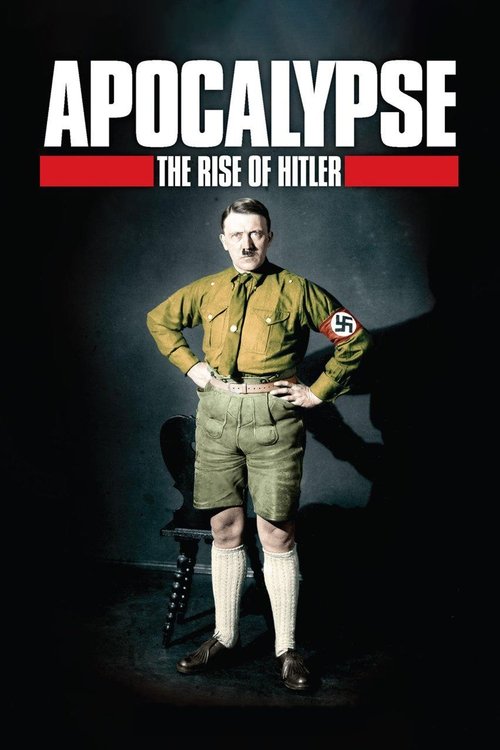
The miniseries "Apocalypse: The Rise of Hitler" begins with a portrayal of post-World War I Germany, highlighting the country's economic struggles and political instability. The Treaty of Versailles has left Germany humiliated and in dire straits, leading to widespread discontent among the populace. The series introduces Adolf Hitler as a soldier returning from the war, disillusioned and angry about the state of his country. He becomes involved with the German Workers' Party, where he begins to develop his oratory skills and political ideology.
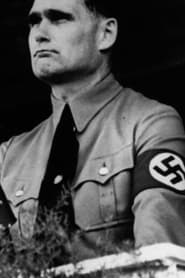
As Hitler rises within the party, he becomes increasingly influential, using his charisma to attract followers. The series depicts key moments of his early speeches, showcasing his ability to manipulate emotions and rally the crowd. His fervent nationalism and anti-Semitic rhetoric begin to take shape, appealing to the frustrations of the German people. The internal dynamics of the party are explored, revealing tensions and rivalries, particularly with figures like Anton Drexler and later, Rudolf Hess.
The narrative progresses to the formation of the National Socialist German Workers' Party (NSDAP), with Hitler at the helm. The series details the infamous Beer Hall Putsch in 1923, where Hitler attempts to seize power in Munich. The coup fails, leading to his arrest. During his imprisonment, he writes "Mein Kampf," outlining his vision for Germany and his beliefs about race and politics. The series emphasizes the impact of this work on his future policies and the Nazi ideology.
After his release, Hitler focuses on rebuilding the party and expanding its reach. The series illustrates the economic turmoil of the Great Depression, which provides fertile ground for Hitler's message. As unemployment soars, he capitalizes on the desperation of the populace, promising jobs and a return to national pride. The series captures the growing support for the Nazis, as they gain seats in the Reichstag and become a significant political force.
The narrative shifts to the 1932 elections, where the Nazis become the largest party in the Reichstag. The series highlights the political maneuvering and backroom deals that lead to Hitler being appointed Chancellor in January 1933. The atmosphere is tense, with various political factions vying for power and the fear of communism looming large. Hitler's appointment is met with mixed reactions, but he quickly begins consolidating power.
Once in office, Hitler moves swiftly to eliminate opposition. The series depicts the Reichstag Fire in February 1933, which he uses as a pretext to push through the Reichstag Fire Decree, suspending civil liberties and allowing for the arrest of political opponents. The Night of the Long Knives is also portrayed, where Hitler orders the purge of the SA leadership and other rivals, solidifying his control over the Nazi Party and the German state.
As Hitler's regime takes shape, the series explores the implementation of oppressive policies, including anti-Semitic laws and the establishment of concentration camps. The emotional toll on Jewish families and other targeted groups is depicted, showcasing the fear and despair that permeates society. The series emphasizes the complicity of various segments of the population in these atrocities, illustrating how propaganda and fear are used to maintain control.
The narrative culminates in the lead-up to World War II, with Hitler's aggressive foreign policy and expansionist ambitions becoming evident. The series details the remilitarization of the Rhineland, the annexation of Austria (Anschluss), and the Sudetenland crisis, showcasing the international response and the growing tensions in Europe. Hitler's confidence grows as he defies the Treaty of Versailles, believing he can achieve his vision of a Greater Germany.
The final scenes of the miniseries depict the outbreak of World War II with the invasion of Poland in September 1939. The swift and brutal tactics of the Blitzkrieg are illustrated, showcasing the initial successes of the German military. The series ends on a note of foreboding, hinting at the catastrophic consequences of Hitler's ambitions and the dark path that lies ahead for Germany and the world.
🔥 Trending TV Shows Now
Browse All TV Shows →






What is the ending?
In the ending of "Apocalypse: The Rise of Hitler," the series culminates in the aftermath of World War II, showcasing the downfall of Adolf Hitler and the collapse of the Nazi regime. The narrative concludes with the Allied forces closing in on Berlin, leading to Hitler's suicide in his bunker, while the remaining key figures of the Nazi party face their own fates, either through capture or death.
As the final scenes unfold, the atmosphere in Berlin grows increasingly tense. The once-mighty Nazi regime is crumbling under the relentless advance of the Allied forces. The city is in chaos, with air raids and the sounds of distant gunfire echoing through the streets. Hitler, portrayed as increasingly paranoid and desperate, retreats to his underground bunker, surrounded by a small circle of loyalists.
Inside the bunker, the mood is grim. Hitler's mental state deteriorates as he realizes the inevitability of defeat. He engages in frantic discussions with his inner circle, including Joseph Goebbels and Heinrich Himmler, who attempt to maintain a facade of control. However, the reality of their situation weighs heavily on them. Hitler's delusions of victory clash with the stark truth of the encroaching Soviet forces.
As the situation becomes more dire, Hitler makes the fateful decision to end his life rather than face capture. In a poignant and chilling moment, he bids farewell to his long-time companion, Eva Braun, and they share a final moment together. The couple chooses to die in the bunker, with Hitler taking cyanide and shooting himself, while Eva follows suit. Their deaths symbolize the tragic end of a regime built on hatred and destruction.
Outside the bunker, the chaos of war continues. The remaining Nazi leaders, including Goebbels, face their own reckoning. Goebbels and his wife, Magda, choose to kill their six children before taking their own lives, believing it to be a merciful act in the face of their impending defeat. This harrowing scene underscores the depths of their loyalty to Hitler and the ideology they embraced.
As the Allied forces finally breach Berlin, the city is left in ruins. The series concludes with a sense of somber reflection on the consequences of totalitarianism and the human cost of war. The fates of the main characters serve as a stark reminder of the destructive power of unchecked ambition and the tragic end of a dark chapter in history. The final images of the series linger on the devastation left in the wake of the Nazi regime, leaving viewers to contemplate the profound impact of these events on the world.
Is there a post-credit scene?
The miniseries "Apocalypse: The Rise of Hitler" does not feature a post-credit scene. The series concludes its narrative without any additional scenes or content after the credits roll. The focus remains on the historical events and the rise of Adolf Hitler, providing a comprehensive look at the socio-political climate of the time rather than extending the story beyond its conclusion.
What events led to Hitler's rise to power in Germany?
The miniseries details the socio-political climate of post-World War I Germany, highlighting the Treaty of Versailles' impact, economic turmoil, and the rise of extremist ideologies. It shows how Hitler capitalized on public discontent, using powerful oratory and propaganda to gain support.
How did Hitler's early life influence his political ambitions?
The series explores Hitler's formative years, including his experiences in Vienna, his failed art career, and his service in World War I. These experiences shaped his worldview, fostering a deep-seated nationalism and anti-Semitism that would later define his political agenda.
What role did the Nazi Party play in Hitler's ascent?
The miniseries illustrates the formation and evolution of the Nazi Party, detailing key events such as the Beer Hall Putsch and the subsequent imprisonment of Hitler, during which he wrote 'Mein Kampf'. It emphasizes how the party's structure and ideology attracted a following disillusioned by the Weimar Republic.
Who were Hitler's key allies and supporters during his rise?
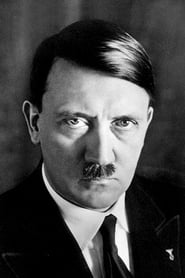
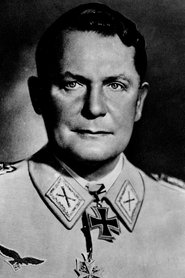
The narrative introduces significant figures such as Heinrich Himmler, Joseph Goebbels, and Hermann Göring, showcasing their loyalty and contributions to Hitler's rise. Their ambitions and roles within the party are explored, revealing the dynamics of power and influence among the Nazi leadership.
What strategies did Hitler use to consolidate power after becoming Chancellor?
The series depicts Hitler's strategic moves, including the Reichstag Fire, the Enabling Act, and the elimination of political opponents. It highlights his manipulation of legal frameworks and public fear to establish a totalitarian regime, showcasing his ruthless ambition and cunning.
Is this family friendly?
"Apocalypse: The Rise of Hitler" is a historical documentary series that delves into the rise of Adolf Hitler and the events leading up to World War II. While it is an informative portrayal of history, it contains several elements that may be objectionable or upsetting for children or sensitive viewers.
-
Graphic Violence: The series includes depictions of violence associated with the rise of the Nazi regime, including scenes of war, battles, and the aftermath of violence.
-
Historical Atrocities: There are references to the Holocaust and the persecution of various groups, which may be distressing due to the nature of the events discussed.
-
Emotional Distress: The series explores themes of hatred, propaganda, and the impact of totalitarianism, which can evoke strong emotional responses.
-
War Footage: Actual footage from World War II is used, which may include disturbing images of destruction and suffering.
-
Political Manipulation: The portrayal of political machinations and the manipulation of public sentiment can be unsettling, especially in the context of the consequences that followed.
Due to these elements, the series is generally not considered family-friendly and may be more suitable for mature audiences who can engage with the historical content critically.