























Popular
What role did Al Capone play in the Prohibition era as depicted in the show?
How did the show depict the impact of Prohibition on American society?
What was the significance of the character of George Remus in the narrative?
How did the show portray the relationship between law enforcement and bootleggers?
What were the motivations behind the characters involved in the speakeasy culture?
Should I watch it?
Ask Your Own Question

What is the plot?
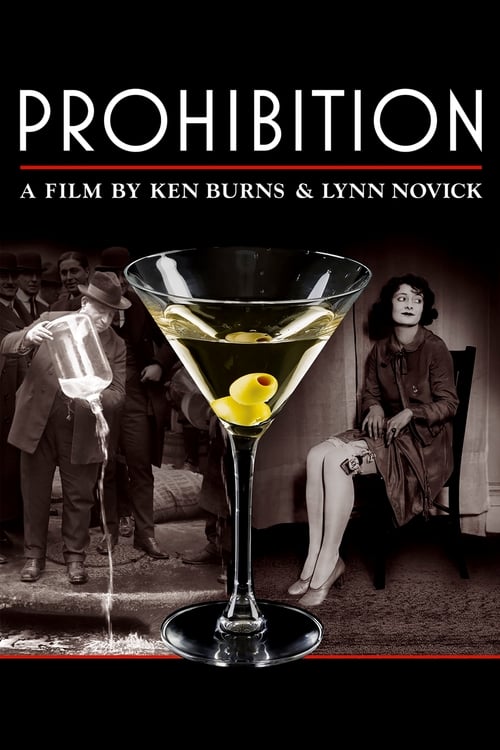
"Prohibition," produced in 2011, is a documentary series directed by Ken Burns and Lynn Novick that chronicles the rise and fall of Prohibition in the United States from the late 19th century through the 1930s. The series is divided into three parts, each exploring different aspects of the Prohibition era.
The first part begins in the late 1800s, highlighting the growing temperance movement fueled by various social and religious groups. The narrative introduces key figures such as Frances Willard, who advocates for women's rights and temperance, emphasizing the negative impact of alcohol on families and society. The series visually depicts the fervor of the movement, with rallies and speeches that stir public sentiment against alcohol consumption. The internal motivations of these activists are explored, revealing their deep-seated beliefs about morality and social reform.
As the movement gains momentum, the series transitions to the early 20th century, where the Anti-Saloon League emerges as a powerful political force. The documentary details the strategic efforts of this organization to influence legislation, culminating in the passage of the 18th Amendment in 1919, which prohibits the manufacture, sale, and transportation of intoxicating liquors. The emotional weight of this moment is palpable, as supporters celebrate a hard-fought victory, while opponents lament the loss of personal freedoms.
The second part of the series delves into the implementation of Prohibition and its immediate consequences. The narrative shifts to the streets of America, where the demand for alcohol leads to the rise of speakeasies and organized crime. The series vividly portrays the underground culture that flourishes in defiance of the law, showcasing the glamorous yet dangerous world of illegal drinking establishments. Key figures such as Al Capone are introduced, illustrating how gangsters capitalize on the lucrative black market for alcohol. The emotional stakes rise as law enforcement struggles to maintain order, often outmatched by the violence and corruption that proliferate.
As the series progresses, it highlights the increasing public disillusionment with Prohibition. The documentary captures the growing realization that the law is unenforceable and that it has led to unintended consequences, including a surge in crime and a loss of respect for the law itself. The internal conflict within society is palpable, as many Americans grapple with the moral implications of their choices and the reality of life under Prohibition.
In the final part of the series, the narrative focuses on the mounting pressure to repeal the 18th Amendment. The Great Depression exacerbates the situation, as economic hardship leads to calls for the legalization of alcohol to generate tax revenue and create jobs. The series documents the political maneuvering that ultimately leads to the passage of the 21st Amendment in 1933, which repeals Prohibition. The emotional release felt by many Americans is captured in celebratory scenes as bars reopen and the nation begins to heal from the divisive era.
The series concludes by reflecting on the legacy of Prohibition, examining its impact on American society, law enforcement, and the culture of drinking. The emotional resonance of the story is underscored by personal anecdotes and historical footage, leaving viewers with a comprehensive understanding of this complex chapter in American history.








What is the ending?
The ending of the 2011 documentary series "Prohibition" reveals the aftermath of the 18th Amendment and the impact of Prohibition on American society. The series concludes by illustrating the eventual repeal of Prohibition with the 21st Amendment in 1933, highlighting the failure of the law to curb alcohol consumption and the rise of organized crime. Key figures such as Al Capone are shown to have thrived during this period, while the social fabric of the nation was deeply affected by the conflict between law enforcement and the public's desire for alcohol.
In the expanded narrative of the ending, the final episodes of "Prohibition" unfold with a focus on the societal changes and the consequences of the 18th Amendment.
Scene 1: The camera pans over the bustling streets of Chicago, where speakeasies are alive with jazz music and the clinking of glasses. The atmosphere is electric, yet there is an underlying tension as law enforcement struggles to maintain order. Al Capone's empire is at its peak, and the series highlights his lavish lifestyle, showcasing opulent parties and the loyalty of his gang members. The viewer can sense Capone's confidence, but also the precariousness of his position as rival gangs vie for control.
Scene 2: The narrative shifts to the perspective of law enforcement officials, who are depicted as increasingly frustrated by their inability to enforce Prohibition laws. The series captures the desperation of agents like Eliot Ness, who are determined to take down Capone but face overwhelming odds. The emotional weight of their struggle is palpable, as they grapple with the moral implications of their work and the public's indifference to the law.
Scene 3: As the series progresses, the consequences of Prohibition become more evident. The camera captures the rise in violence and corruption, with gangland shootouts becoming a common occurrence. The emotional toll on the community is highlighted through interviews with citizens who express their disillusionment with the law. The series emphasizes the stark contrast between the idealistic goals of Prohibition and the grim reality it created.
Scene 4: The turning point arrives as public sentiment begins to shift. The series illustrates how the Great Depression exacerbates the situation, leading to increased calls for the repeal of Prohibition. The emotional landscape shifts from defiance to a sense of resignation among the populace, who are now more concerned with economic survival than moral righteousness.
Scene 5: The final scenes depict the passage of the 21st Amendment in 1933, which marks the end of Prohibition. The atmosphere is celebratory as people flood the streets, toasting to the return of legal alcohol. The series captures the joy and relief of citizens who had longed for the freedom to drink openly again. The camera lingers on the faces of those who had suffered under Prohibition, revealing a mix of jubilation and a sense of vindication.
Scene 6: In the aftermath, the series reflects on the fates of key figures. Al Capone, once a powerful figure, is shown to be in decline, having been imprisoned for tax evasion. The emotional weight of his downfall is evident, as he is stripped of his power and influence. Meanwhile, law enforcement officials are left to reckon with the legacy of their efforts, grappling with the realization that Prohibition did not achieve its intended goals.
The series concludes with a poignant reminder of the complexities of American society during this tumultuous period. The final images evoke a sense of reflection on the lessons learned from Prohibition, leaving viewers to ponder the intricate relationship between law, morality, and human behavior.
Is there a post-credit scene?
The documentary series "Prohibition," produced in 2011, does not feature any post-credit scenes. The series, directed by Ken Burns and Lynn Novick, consists of three episodes that explore the history and impact of the Prohibition era in the United States from 1920 to 1933. Each episode concludes with a summary of the events discussed, but there are no additional scenes or content after the credits roll. The focus remains on the historical narrative and the personal stories of those affected by Prohibition, rather than on any fictional or extended scenes typical of scripted television shows.
What role did Al Capone play in the Prohibition era as depicted in the show?
Al Capone is portrayed as a central figure in the Prohibition era, embodying the rise of organized crime. The series illustrates his transformation from a small-time gangster to a powerful crime lord, showcasing his ruthless tactics and strategic mind. His emotional state fluctuates between confidence and paranoia as he navigates the dangerous world of bootlegging and rival gangs.
How did the show depict the impact of Prohibition on American society?
The series vividly illustrates the societal upheaval caused by Prohibition, showcasing scenes of speakeasies bustling with patrons defying the law, and the rise of corruption among law enforcement. Characters grapple with moral dilemmas, as some see bootlegging as a means of survival while others are drawn into the violence and chaos that ensues.
What was the significance of the character of George Remus in the narrative?
George Remus is depicted as a cunning and ambitious bootlegger who rises to prominence during Prohibition. His character embodies the conflict between legality and criminality, as he initially operates within the law before becoming embroiled in the violent underworld. His emotional journey reflects the personal costs of his ambition, including betrayal and loss.
How did the show portray the relationship between law enforcement and bootleggers?
The series highlights a complex relationship between law enforcement and bootleggers, often depicting police officers as corrupt or complicit in the illegal activities. Tension builds as characters like Prohibition agents struggle with their duties, torn between enforcing the law and the allure of the lucrative underworld. This dynamic creates a sense of moral ambiguity and danger.
What were the motivations behind the characters involved in the speakeasy culture?
Characters involved in the speakeasy culture are driven by a mix of rebellion, desire for freedom, and the pursuit of pleasure. The show captures their emotional highs and lows, from the thrill of defying authority to the risks of violence and betrayal. Each character's backstory reveals personal motivations, such as escaping poverty or seeking social status, which adds depth to their involvement in this underground world.
Is this family friendly?
"Prohibition," produced in 2011, is a documentary series that explores the history and impact of the Prohibition era in the United States. While it is educational, there are several aspects that may be considered objectionable or upsetting for children or sensitive viewers:
-
Alcohol Consumption: The series discusses the widespread use of alcohol before Prohibition, including scenes depicting drinking in social settings, which may not be suitable for younger audiences.
-
Violence and Crime: The show covers the rise of organized crime and violence associated with bootlegging and gang conflicts, including graphic descriptions of violent incidents.
-
Corruption: There are discussions of political corruption and law enforcement's complicity in illegal activities, which may be unsettling for some viewers.
-
Social Issues: The series touches on themes of poverty, addiction, and the societal impacts of Prohibition, which may be heavy topics for children.
-
Historical Context: Some scenes may include discussions of racism and discrimination, particularly in relation to the enforcement of Prohibition laws, which could be distressing for sensitive viewers.
Overall, while "Prohibition" is a historical documentary, its content may not be suitable for all audiences, particularly younger children or those who are sensitive to themes of violence, crime, and social issues.