
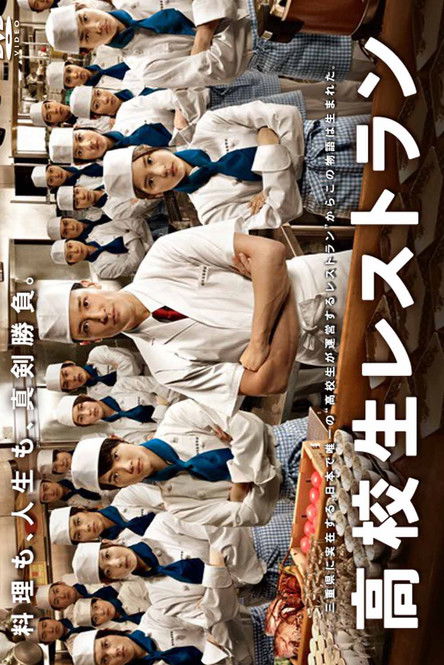












Popular
What challenges does the main character, Kenta, face while running the restaurant?
How does Kenta's relationship with his friends evolve throughout the series?
What role does the elderly chef play in Kenta's development?
What specific dishes do Kenta and his friends create that become pivotal to the restaurant's success?
How does the competition with rival restaurants impact Kenta and his team?
Should I watch it?
Ask Your Own Question

What is the plot?
In the first episode of "Kokosei Restaurant," we are introduced to the main character, Kenta, a high school student who is struggling with his future and feels lost in life. He has a passion for cooking but is unsure how to pursue it. Kenta's life takes a turn when he discovers a small, run-down restaurant called "Kokosei," which is struggling to stay afloat. The restaurant is owned by an elderly chef named Mr. Takeda, who has a wealth of culinary knowledge but lacks the energy to run the business effectively.
Kenta decides to help Mr. Takeda by working part-time at the restaurant. He is motivated by a desire to learn more about cooking and to find a sense of purpose. As he begins to work, Kenta faces various challenges, including the restaurant's declining customer base and Mr. Takeda's strict and traditional cooking methods. Despite these obstacles, Kenta's enthusiasm and creativity shine through, and he starts to introduce new dishes that attract customers.
As the story progresses, Kenta forms a bond with Mr. Takeda, who becomes a mentor to him. They share moments of laughter and frustration in the kitchen, and Kenta learns valuable lessons about cooking and life. However, tensions arise when Kenta's innovative ideas clash with Mr. Takeda's traditional approach. This conflict reaches a peak when Kenta decides to enter a local cooking competition, believing that it could bring more attention to the restaurant.
Kenta's decision to enter the competition is met with resistance from Mr. Takeda, who fears that Kenta's modern techniques will overshadow the restaurant's heritage. Despite the disagreement, Kenta goes ahead with his plans, driven by his desire to prove himself and save the restaurant. He spends countless hours preparing for the competition, experimenting with new recipes and honing his skills.
On the day of the competition, Kenta faces intense pressure as he competes against other talented chefs. The atmosphere is charged with excitement and anxiety as he presents his dish to the judges. Kenta's dish, a fusion of traditional and modern flavors, receives mixed reviews, but he remains determined to showcase his passion for cooking. The competition culminates in a tense moment when the judges announce the winner, and Kenta's heart races as he awaits the results.
In a surprising twist, Kenta does not win the competition, but he gains recognition for his creativity and potential. This experience serves as a turning point for him, as he realizes that success is not solely defined by winning but by the journey and the connections he has made along the way. Mr. Takeda, witnessing Kenta's growth, begins to appreciate his innovative spirit and starts to embrace some of the changes Kenta has introduced to the restaurant.
As the series continues, Kenta and Mr. Takeda work together to revitalize Kokosei Restaurant. They implement new marketing strategies, host special events, and collaborate with local farmers to source fresh ingredients. The restaurant slowly begins to regain its popularity, and Kenta's confidence as a chef grows. He also develops relationships with other characters, including his classmates and local food enthusiasts, who support his culinary journey.
Throughout the series, Kenta faces personal challenges, including self-doubt and the pressure to meet expectations. He navigates the complexities of adolescence while balancing his passion for cooking with his responsibilities at the restaurant. The emotional stakes rise as Kenta confronts setbacks, such as a temporary closure of the restaurant due to unforeseen circumstances, which tests his resolve and commitment to his dreams.
In the final episodes, Kenta and Mr. Takeda reflect on their journey together. They celebrate the restaurant's revival and the bonds they have formed with the community. Kenta's growth as a chef and as an individual culminates in a heartfelt moment where he expresses his gratitude to Mr. Takeda for believing in him. The series concludes with a sense of hope and possibility, as Kenta looks toward the future with renewed determination to pursue his culinary dreams and continue the legacy of Kokosei Restaurant.
🔥 Trending TV Shows Now
Browse All TV Shows →








What is the ending?
In the ending of "Kokosei Restaurant," the main characters come to terms with their personal growth and the relationships they have built throughout the series. The restaurant faces challenges, but the bonds formed among the staff and their dedication to their craft lead to a hopeful resolution.
As the series concludes, the characters reflect on their experiences, showcasing their development and the impact of their time together. The restaurant symbolizes their journey, and they embrace the future with optimism.
The final episodes of "Kokosei Restaurant" unfold with a palpable tension as the restaurant faces a critical moment. The staff, comprised of high school students, has grown significantly since the beginning of their culinary journey. Each character has faced their own struggles, and now they must confront the reality of their futures.
Scene 1: The restaurant is bustling with activity as the students prepare for a significant event--a food festival that could determine the restaurant's fate. The atmosphere is charged with excitement and anxiety. The camera pans over the kitchen, capturing the frantic movements of the students as they chop vegetables, stir sauces, and plate dishes. The head chef, a mentor figure, encourages them, instilling a sense of purpose and teamwork.
Scene 2: As the festival approaches, individual character arcs come to the forefront. One student, who has struggled with self-doubt, finds confidence in their cooking skills. They recall a moment from earlier in the series when they almost gave up, but the support of their peers reignited their passion. This internal reflection is visually represented through flashbacks, showing their growth and the encouragement they received from their friends.
Scene 3: Another character, who initially joined the restaurant out of obligation, begins to realize their love for cooking. They have a heartfelt conversation with a fellow student, expressing their fears about the future and the pressure to succeed. This scene is intimate, with close-up shots of their faces, highlighting the vulnerability and sincerity of their exchange.
Scene 4: The day of the food festival arrives, and the restaurant is filled with customers eager to taste the students' creations. The camera captures the vibrant colors of the dishes, the smiles of the patrons, and the nervous energy of the students. As they serve their food, the characters exchange glances, silently communicating their support for one another.
Scene 5: During the festival, a crisis occurs when a dish does not turn out as expected. The students rally together, showcasing their teamwork and problem-solving skills. They quickly adapt, using their creativity to salvage the situation. This moment is pivotal, demonstrating their growth and the lessons they have learned about resilience and collaboration.
Scene 6: As the festival concludes, the students gather to reflect on their experiences. They share laughter and stories, solidifying the bonds they have formed. The head chef praises their hard work, emphasizing that the journey was just as important as the outcome. The camera captures their smiles, a visual testament to their transformation.
Scene 7: In the final moments, each character contemplates their future. Some express a desire to continue in the culinary field, while others consider different paths, but all acknowledge the impact the restaurant has had on their lives. The series ends with a group shot of the students standing outside the restaurant, looking hopeful and determined. The sun sets behind them, symbolizing new beginnings and the promise of what lies ahead.
In conclusion, the ending of "Kokosei Restaurant" encapsulates the themes of growth, friendship, and the pursuit of passion. Each character leaves with a sense of purpose, ready to face their futures, having learned valuable lessons from their time together in the restaurant.
Is there a post-credit scene?
In the 2011 TV show "Kokosei Restaurant," there is indeed a post-credit scene that adds a light-hearted touch to the series. After the main credits roll, viewers are treated to a brief moment that showcases the characters in a more relaxed and humorous setting.
The scene features the main characters, including the high school students who work at the restaurant, engaging in a playful banter while preparing for a special event at the eatery. The atmosphere is filled with laughter and camaraderie, highlighting the strong bonds they have formed throughout the series.
As they work together, one character attempts to impress another with their cooking skills, leading to a comical mishap where they accidentally spill ingredients everywhere. The others burst into laughter, and the character's embarrassment is palpable, showcasing their vulnerability and the warmth of friendship.
This post-credit scene encapsulates the essence of the show--youthful energy, the joy of teamwork, and the importance of relationships, leaving viewers with a smile as they reflect on the characters' journey. It serves as a reminder of the light-hearted moments that balance the more serious themes explored throughout the series.
What challenges does the main character, Kenta, face while running the restaurant?
Kenta, the protagonist, faces numerous challenges while managing the Kokosei Restaurant. He struggles with the pressure of balancing his studies and the responsibilities of running a restaurant. Additionally, he deals with the skepticism of his peers and the expectations of his family, who doubt his ability to succeed. Kenta's internal conflict is heightened by his desire to prove himself and his passion for cooking, which often leads to moments of self-doubt and determination.
How does Kenta's relationship with his friends evolve throughout the series?
Kenta's relationship with his friends evolves significantly as they navigate the ups and downs of running the restaurant together. Initially, there is tension as they grapple with their differing opinions on how to manage the business. However, as they face challenges, such as difficult customers and financial struggles, they learn to communicate better and support each other. This growth is marked by moments of camaraderie, shared laughter, and ultimately a deeper bond as they work towards a common goal.
What role does the elderly chef play in Kenta's development?
The elderly chef serves as a mentor figure for Kenta, providing guidance and wisdom that shapes his culinary skills and personal growth. Through their interactions, Kenta learns not only about cooking techniques but also about the importance of passion and dedication in the culinary arts. The chef's tough love approach challenges Kenta to push his limits, and their relationship deepens as Kenta begins to understand the chef's own struggles and dreams.
What specific dishes do Kenta and his friends create that become pivotal to the restaurant's success?
Throughout the series, Kenta and his friends create several signature dishes that become pivotal to the restaurant's success. One notable dish is a unique ramen recipe that combines traditional flavors with a modern twist, which attracts a loyal customer base. Another dish is a seasonal special that highlights local ingredients, showcasing their creativity and commitment to quality. These culinary creations not only enhance the restaurant's reputation but also symbolize the growth and teamwork of the characters.
How does the competition with rival restaurants impact Kenta and his team?
The competition with rival restaurants serves as a significant source of tension and motivation for Kenta and his team. They face off against a well-established restaurant known for its high standards, which forces them to innovate and improve their offerings. This rivalry leads to moments of self-reflection and determination, pushing Kenta to refine his cooking skills and rally his friends to work harder. The competition ultimately becomes a catalyst for their growth, as they learn to embrace challenges and find their unique identity in the culinary world.
Is this family friendly?
"Kokosei Restaurant," produced in 2011, is generally considered family-friendly, focusing on themes of friendship, growth, and the culinary arts. However, there are a few aspects that might be considered objectionable or upsetting for children or sensitive viewers:
-
Parental Struggles: Some scenes depict the challenges and pressures faced by the main characters, particularly regarding their family dynamics and the expectations placed upon them. This may resonate with viewers who have experienced similar issues.
-
Emotional Conflicts: The show explores various emotional conflicts, including feelings of inadequacy, jealousy, and the pressure to succeed. These themes might be heavy for younger viewers or those sensitive to emotional distress.
-
Workplace Stress: The restaurant setting includes scenes of high-pressure situations, such as kitchen chaos and the stress of meeting customer expectations, which could be intense for some viewers.
-
Character Disputes: There are moments of disagreement and tension between characters, which may lead to feelings of discomfort or sadness, especially for younger audiences who may not fully understand the resolution of such conflicts.
Overall, while "Kokosei Restaurant" contains some mature themes, it is presented in a way that is accessible and relatable for a family audience.