






Popular
What unique abilities do the main characters of The Problem Solverz possess?
How do the characters' personalities affect their problem-solving methods?
What is the significance of the various settings in The Problem Solverz specials?
What recurring themes or motifs are present in the characters' adventures?
How do the characters evolve throughout the specials in terms of their relationships?
Should I watch it?
Ask Your Own Question

What is the plot?
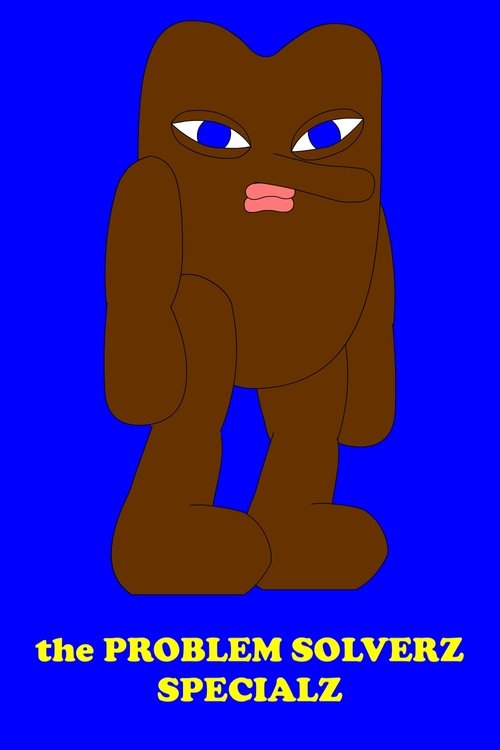
The Problem Solverz Specials begins with the introduction of the main characters, Horace, a confident and somewhat reckless problem solver; Roba, a more cautious and intelligent member of the team; and Alfe, the quirky and enthusiastic friend who often provides comic relief. The trio is shown in their colorful, chaotic environment, where they tackle various odd jobs and challenges in their neighborhood.
In the first segment, the team receives a call from a distressed citizen who is facing a bizarre problem: their pet has gone missing. The Problem Solverz quickly mobilize, gathering their tools and brainstorming ideas on how to locate the lost pet. Horace suggests they use a series of outlandish methods, including a giant net and a loudspeaker to call the pet back. Roba, however, proposes a more logical approach, suggesting they start by interviewing the neighbors to gather clues.
As they split up to gather information, Horace and Alfe take a more adventurous route, climbing trees and searching through backyards, while Roba stays on the ground, talking to the neighbors. During this time, they encounter various eccentric characters, each providing humorous and absurd insights into the pet's disappearance. The interactions are filled with vibrant visuals and exaggerated expressions, showcasing the unique art style of the show.
After gathering enough information, the team reconvenes to share their findings. Roba reveals that several neighbors saw a mysterious figure lurking around the time the pet went missing. Horace, excited by the prospect of a potential villain, insists they must confront this figure. The group sets off to investigate further, leading them to a dark alley where they believe the figure might be hiding.
In the alley, they find a shadowy figure, which turns out to be a misunderstood creature rather than a villain. The creature explains that it was trying to help the lost pet, who had wandered off. The Problem Solverz realize that their assumptions were incorrect, and they must now work together with the creature to find the pet. This moment highlights the importance of communication and understanding, as they learn to collaborate with someone they initially perceived as a threat.
The team devises a plan to lure the pet back home using the creature's unique abilities. They set up a series of colorful traps and distractions, creating a vibrant scene filled with animated chaos. As they execute their plan, they face several comedic mishaps, including Alfe getting tangled in one of the traps and Horace accidentally scaring away the pet instead of attracting it.
Finally, after a series of trials and errors, they successfully manage to reunite the pet with its owner. The emotional moment is filled with joy and relief, showcasing the bond between the pet and its owner. The team celebrates their victory, feeling accomplished and proud of their teamwork.
In the closing scenes, the Problem Solverz reflect on their adventure, realizing that sometimes the solutions to problems are not what they initially seem. They share a light-hearted moment, teasing each other about their individual contributions to the mission, and reaffirming their friendship. The episode ends with them receiving another call for help, ready to tackle whatever bizarre challenge comes their way next.









What is the ending?
In the ending of "The Problem Solverz" specials, the main characters, Horace, Roba, and Alfe, face a series of chaotic challenges that test their problem-solving skills. Ultimately, they manage to resolve the conflicts they encounter, showcasing their teamwork and creativity. The episode concludes with the trio celebrating their success, reinforcing their bond as friends and problem solvers.
Expanding on this, the final scenes unfold with a vibrant and chaotic atmosphere. The trio, Horace, Roba, and Alfe, find themselves in a particularly tricky situation where a series of bizarre problems arise in their town. The stakes are high, and the trio feels the pressure to come up with solutions quickly.
Scene 1: The trio gathers in their makeshift headquarters, a colorful and cluttered space filled with various gadgets and drawings. Horace, the enthusiastic leader, paces back and forth, brainstorming ideas. Roba, the more practical and grounded member, suggests they should focus on one problem at a time. Alfe, the wild card of the group, throws out outlandish ideas that often lead to more chaos than solutions. The tension in the room is palpable as they realize the magnitude of the challenges ahead.
Scene 2: They split up to tackle different issues. Horace heads to the park where a giant inflatable monster has gone rogue, scaring the children. He approaches the situation with a mix of bravery and creativity, using his charm to calm the frightened kids and devise a plan to deflate the monster safely. His determination shines through as he navigates the chaos, showcasing his leadership qualities.
Scene 3: Meanwhile, Roba is at the local bakery, where a baking competition has turned into a disaster with flour flying everywhere. She steps in, using her organizational skills to restore order. Her calm demeanor helps the bakers refocus, and she encourages them to work together rather than compete against each other. This scene highlights her nurturing nature and ability to bring people together.
Scene 4: Alfe, on the other hand, finds himself in a more whimsical situation at the town fountain, where a group of ducks has taken over. His antics lead to a series of humorous mishaps, but ultimately, he manages to charm the ducks away with a quirky dance. This scene emphasizes Alfe's carefree spirit and ability to find joy in chaos.
Scene 5: As the trio reconvenes, they share their experiences and the solutions they found. They realize that their different approaches complement each other, and together they have made a significant impact on their community. The camaraderie among them is evident as they celebrate their successes, laughing and high-fiving each other.
Scene 6: The episode concludes with a heartwarming moment where the trio stands together, looking out over the town they've helped. They reflect on their adventures and the importance of teamwork. Each character feels a sense of accomplishment and growth, having learned from their experiences. Horace feels proud of his leadership, Roba is satisfied with her ability to unite people, and Alfe revels in the joy of making others smile.
In the end, the fate of each character is one of fulfillment and strengthened friendship. They have not only solved the problems at hand but have also deepened their bond, ready to face whatever challenges come next. The episode closes with a sense of optimism and the promise of more adventures to come.
Is there a post-credit scene?
In "The Problem Solverz" specials, there is indeed a post-credit scene that adds a humorous twist to the episode. After the main storyline concludes, the screen fades to black, and then the scene cuts to the three main characters--Horace, Roba, and Alfe--sitting in their usual brainstorming spot, surrounded by a chaotic mess of papers and half-eaten snacks.
Horace, with his characteristic enthusiasm, is excitedly pitching a new idea for a problem-solving venture. He gestures wildly, his eyes sparkling with the thrill of creativity. Roba, ever the skeptic, rolls her eyes but can't help but smirk at Horace's antics. Alfe, meanwhile, is distracted, trying to catch a fly buzzing around the room, swatting at it with exaggerated movements.
As Horace continues to elaborate on his idea, the camera zooms in on Alfe, who finally manages to catch the fly, holding it triumphantly in his hand. He looks at his friends with a proud grin, but just as he opens his mouth to boast, the fly escapes, buzzing away. The moment is comically timed, and Alfe's expression shifts from triumph to dismay in an instant, eliciting laughter from Roba and Horace.
The scene encapsulates the lighthearted and chaotic spirit of the show, leaving viewers with a sense of joy and the reminder that even in their problem-solving adventures, the trio's friendship and camaraderie are what truly matter. The post-credit scene serves as a delightful capstone, reinforcing the show's themes of teamwork and resilience in the face of absurdity.
What unique abilities do the main characters of The Problem Solverz possess?
The main characters, consisting of Horace, a green-skinned boy with a penchant for problem-solving, and his friends, each have unique abilities that contribute to their adventures. Horace is known for his intelligence and creativity, while his friends, including the energetic and optimistic Roba and the more cautious and practical, but equally inventive, the third member, bring their own skills to the table, allowing them to tackle various challenges.
How do the characters' personalities affect their problem-solving methods?
Each character's personality significantly influences their approach to solving problems. Horace's analytical mind often leads to strategic solutions, while Roba's enthusiasm can sometimes result in impulsive decisions that complicate situations. The third character balances these traits, often acting as a voice of reason, which creates a dynamic interplay that showcases how their differing perspectives can lead to both conflict and creative solutions.
What is the significance of the various settings in The Problem Solverz specials?
The settings in The Problem Solverz specials are vibrant and exaggerated, reflecting the whimsical nature of the show. Each location, from the colorful streets of their hometown to the bizarre environments they encounter, serves as a backdrop that enhances the narrative. These settings often present unique challenges that require the characters to adapt their problem-solving strategies, showcasing their growth and teamwork.
What recurring themes or motifs are present in the characters' adventures?
Recurring themes in the characters' adventures include friendship, teamwork, and the importance of creativity in overcoming obstacles. The characters often face challenges that test their bonds, forcing them to rely on each other's strengths and learn from their mistakes. These motifs are visually represented through their interactions and the imaginative solutions they devise, reinforcing the show's core message about collaboration.
How do the characters evolve throughout the specials in terms of their relationships?
Throughout the specials, the relationships between the characters evolve as they face various challenges together. Initially, there may be misunderstandings or conflicts due to their differing personalities, but as they work through problems, they learn to appreciate each other's strengths. This growth is depicted through their interactions, with moments of camaraderie and support that deepen their friendships and highlight the importance of unity in problem-solving.
Is this family friendly?
"The Problem Solverz" is known for its unique animation style and offbeat humor, which can be appealing to children but may also contain elements that could be considered objectionable or upsetting for some viewers. Here are a few aspects to consider:
-
Surreal Humor: The show often employs bizarre and surreal scenarios that might confuse younger viewers or those sensitive to unconventional storytelling.
-
Mild Violence: There are instances of cartoonish violence, such as characters getting hurt in exaggerated ways, which may not be suitable for all children.
-
Silly and Absurd Situations: The characters often find themselves in absurd predicaments that may involve themes of chaos or disorder, which could be unsettling for some.
-
Emotional Turmoil: Characters sometimes experience frustration or anger, which could resonate with sensitive viewers, especially in moments of conflict or misunderstanding.
-
Unconventional Characters: The show features a variety of quirky and eccentric characters, some of whom may exhibit strange behaviors that could be off-putting to certain audiences.
While the show is designed for a younger audience, these elements may warrant parental discretion depending on the child's sensitivity to such themes.