
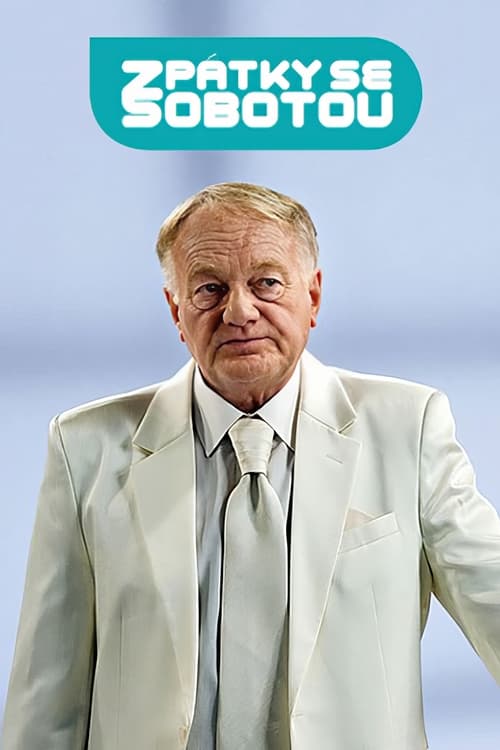



Popular
What is the significance of the time travel element in Zpátky se Sobotou?
How does Michal's relationship with his father evolve throughout the series?
What role does the character of Klara play in Michal's journey?
How do the supporting characters influence Michal's decisions during his time travels?
What are the consequences of Michal's repeated time travel on his life and relationships?
Should I watch it?
Ask Your Own Question

What is the plot?
In the opening scene of "Zpátky se Sobotou," we are introduced to the protagonist, a young man named David, who is struggling with the monotony of his life. He works a mundane job and feels disconnected from his friends and family. The story begins on a Saturday morning, where David wakes up late and rushes to meet his friends for a planned outing. As he hurries through his morning routine, we see his frustration with the repetitive nature of his life.
David meets his friends at a local café, where they discuss their plans for the day. The atmosphere is light-hearted, but David feels a sense of unease as he listens to their conversations about future aspirations and relationships. He is envious of their excitement and begins to question his own choices. After a brief argument with one of his friends about their differing views on life, David decides to leave the café early, feeling isolated.
As David walks through the city, he stumbles upon a mysterious antique shop. Inside, he discovers a peculiar hourglass that catches his attention. The shopkeeper, an enigmatic old man, tells David that the hourglass has the power to turn back time. Skeptical yet intrigued, David purchases the hourglass, hoping it might help him escape his current life.
That night, David experiments with the hourglass, flipping it over and wishing to relive his Saturday. To his astonishment, he wakes up the next morning, back in his bed, on the same Saturday he had just experienced. Confused but excited, he realizes he has the chance to change his day. He decides to make different choices, starting with a more relaxed morning routine.
As the day unfolds, David tries to connect with his friends in new ways. He suggests a spontaneous road trip instead of their original plans. His friends are hesitant but eventually agree, and they set off on an adventure. During the trip, David feels a sense of freedom and joy that he has been missing. However, he also begins to notice the consequences of his actions, as some of his friends express frustration with the sudden change in plans.
As the day progresses, David continues to use the hourglass to relive moments, trying to perfect his interactions and decisions. Each time he flips the hourglass, he experiences the same day but with slight variations. He becomes increasingly obsessed with making everything perfect, leading to tension among his friends. They start to notice his erratic behavior and question his motives.
In a pivotal moment, David realizes that his attempts to control every aspect of the day are causing more harm than good. He confronts the shopkeeper, seeking advice on how to break the cycle. The shopkeeper reveals that the hourglass can only be used a limited number of times, and David must learn to embrace the imperfections of life.
Determined to make the most of his final chance, David decides to let go of his need for control. He embraces spontaneity and allows his friends to lead the way. This shift in mindset leads to a series of unexpected and joyful experiences, strengthening his bonds with them.
As the day comes to a close, David faces a choice: to use the hourglass one last time or to accept the day as it is. He ultimately chooses to let the day end naturally, realizing that life's unpredictability is what makes it beautiful. The hourglass shatters in his hands, symbolizing his acceptance of reality.
In the final scenes, David wakes up on a Sunday, feeling a sense of peace and fulfillment. He meets his friends again, this time with a renewed perspective. They share laughter and stories, and David feels truly connected for the first time. The series ends with David looking forward to the future, no longer trapped in the cycle of regret and perfectionism.








What is the ending?
In the ending of "Zpátky se Sobotou," the main character, Michal, finally confronts his past and the choices he has made. He realizes the importance of living in the present and cherishing relationships. The story concludes with Michal making peace with his decisions, leading to a hopeful future.
As the final scenes unfold, we find Michal standing in his childhood home, a place filled with memories that both haunt and comfort him. The walls are adorned with photographs of happier times, and the air is thick with nostalgia. Michal's internal struggle is palpable; he grapples with the weight of his past decisions and the impact they have had on his life and those around him.
In a pivotal moment, Michal encounters his estranged father, who has been a source of pain and regret for him. The tension in the room is electric, filled with unspoken words and unresolved feelings. As they engage in a heartfelt conversation, Michal's father expresses his own regrets, revealing vulnerabilities that Michal had never seen before. This exchange serves as a cathartic release for both men, allowing them to confront their shared history and begin to heal.
Meanwhile, Michal's relationship with his girlfriend, Klára, hangs in the balance. She has been a steadfast presence in his life, but the weight of his past has strained their connection. In a quiet moment, they sit together on a park bench, the sun setting behind them, casting a warm glow. Michal opens up to Klára about his fears and insecurities, and she responds with understanding and compassion. This moment of vulnerability strengthens their bond, and they share a tender kiss, symbolizing a new beginning.
As the story progresses, Michal decides to take a leap of faith. He reaches out to his childhood friends, whom he had distanced himself from over the years. In a poignant scene, they gather at a local café, laughter and camaraderie filling the air. Michal realizes that these connections are vital to his happiness, and he vows to nurture them moving forward.
The final scene takes place at a family gathering, where Michal is surrounded by loved ones. The atmosphere is joyful, filled with laughter and shared stories. Michal looks around, a sense of peace washing over him as he acknowledges the importance of family and friendship. He raises a toast, expressing gratitude for the people in his life and the lessons he has learned. The camera pans out, capturing the warmth of the moment, as Michal smiles, ready to embrace the future with hope and determination.
In the end, Michal's journey is one of self-discovery and reconciliation. He learns to let go of the past, cherishing the present and the relationships that matter most. The fate of each character reflects this theme of growth and connection, as they all find their own paths toward healing and happiness.
Is there a post-credit scene?
In the TV show "Zpátky se Sobotou," there is indeed a post-credit scene that adds a whimsical touch to the narrative. After the credits roll, the screen fades back in to reveal the main character, Martin, sitting at a café, looking contemplative. He stirs his coffee absentmindedly, lost in thought about the events of the week and the lessons learned from his time-traveling adventures.
As he gazes out the window, a familiar figure from his past, his childhood friend Klára, walks by. She pauses, glances back at him, and smiles, prompting a rush of nostalgia and warmth in Martin. The scene captures the bittersweet essence of their relationship, hinting at unresolved feelings and the possibility of rekindling their friendship.
In a light-hearted twist, Martin suddenly receives a text message on his phone. It's a reminder from his future self, humorously warning him not to forget to buy milk. He chuckles, shaking his head at the absurdity of it all, and the screen fades to black, leaving viewers with a sense of hope and the idea that time, while complicated, can lead to new beginnings. This scene encapsulates the show's themes of reflection, connection, and the humorous unpredictability of life.
What is the significance of the time travel element in Zpátky se Sobotou?
The time travel element in Zpátky se Sobotou serves as a crucial narrative device that allows the protagonist, Michal, to revisit and alter key moments in his life. This ability to go back to Saturday gives him the chance to confront his past mistakes, particularly in his relationships and career choices. Each time he travels back, the emotional weight of his decisions becomes more pronounced, highlighting his internal struggle between the desire for change and the acceptance of his reality.
How does Michal's relationship with his father evolve throughout the series?
Michal's relationship with his father is initially strained, marked by misunderstandings and unfulfilled expectations. As Michal travels back in time, he gains insights into his father's sacrifices and regrets, leading to moments of reconciliation. The emotional climax occurs when Michal finally confronts his father about their past, allowing both characters to express their vulnerabilities and ultimately strengthen their bond.
What role does the character of Klara play in Michal's journey?
Klara is a pivotal character in Michal's life, representing both his romantic aspirations and the emotional turmoil he faces. Throughout the series, her presence serves as a catalyst for Michal's growth. As he attempts to win her affection, he learns valuable lessons about love, commitment, and the consequences of his actions. Klara's reactions to Michal's time travel also reflect her own struggles, making her a mirror to his character development.
How do the supporting characters influence Michal's decisions during his time travels?
The supporting characters in Zpátky se Sobotou, including Michal's friends and colleagues, play significant roles in shaping his decisions during his time travels. Each character embodies different perspectives on life and success, challenging Michal to reflect on his own values. Their interactions often lead to pivotal moments where Michal must choose between following their advice or trusting his instincts, ultimately guiding him toward personal growth.
What are the consequences of Michal's repeated time travel on his life and relationships?
As Michal repeatedly travels back to Saturday, the consequences of his actions begin to ripple through his life and relationships. Each alteration creates unforeseen complications, leading to a web of emotional turmoil. His friends and family start to notice changes in his behavior, causing tension and confusion. The cumulative effect of his time travel forces Michal to confront the reality that while he can change certain outcomes, he cannot escape the emotional repercussions of his choices.
Is this family friendly?
"Zpátky se Sobotou" is a family-oriented show that primarily focuses on themes of family, relationships, and the challenges of everyday life. However, there are a few aspects that might be considered objectionable or upsetting for children or sensitive viewers:
-
Emotional Conflicts: The show features various family dynamics that include arguments and misunderstandings, which may be intense for younger viewers. These scenes can evoke feelings of sadness or anxiety.
-
Loss and Grief: There are moments that touch on themes of loss, which may be difficult for sensitive audiences to process. Characters may deal with the emotional aftermath of losing loved ones or facing significant life changes.
-
Mature Themes: While the show is not overtly graphic, it does explore themes of love, betrayal, and personal struggles that may not be suitable for very young children.
-
Parental Disputes: Scenes depicting disagreements between parents or guardians may be unsettling for children who are sensitive to conflict in familial relationships.
-
Social Issues: The show occasionally addresses social issues that may be complex or challenging for younger viewers to understand fully, such as financial struggles or societal pressures.
Overall, while "Zpátky se Sobotou" is designed to be relatable and engaging for families, it does contain elements that may require parental guidance for younger audiences.