






















Popular
How do the supporting characters influence the main storyline?
What role does the setting play in the development of the story?
What is the significance of the ghost character in the story?
How does the protagonist's relationship with the ghost evolve throughout the series?
What are the main conflicts faced by the characters in the series?
Should I watch it?
Ask Your Own Question

What is the plot?
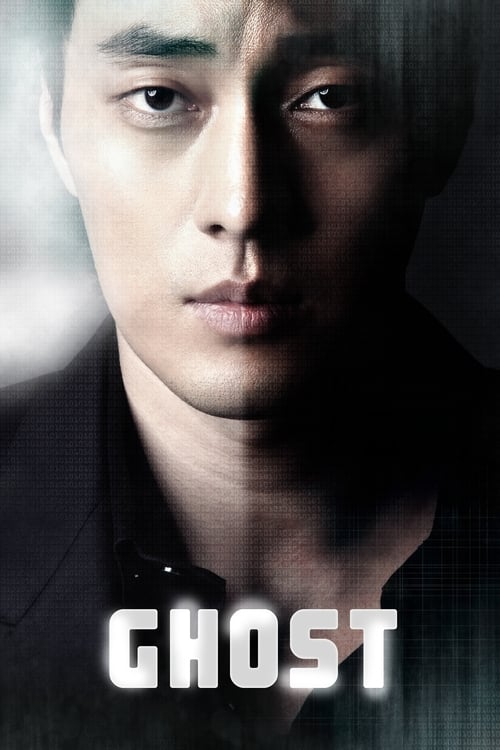
In the opening scenes of "Ghost," we are introduced to the protagonist, a skilled and ambitious young woman named Ji Eun, who works as a cyber security expert. She is deeply invested in her job and is determined to uncover the truth behind a series of cyber crimes that have been plaguing her company. As she delves deeper into her investigations, she begins to notice strange occurrences around her, including odd glitches in the system and mysterious messages that seem to be directed at her.
As Ji Eun continues her work, she discovers that her company is involved in a larger conspiracy that connects to a powerful organization known as the "Ghost." This organization is responsible for manipulating information and committing cyber crimes for their own gain. Ji Eun's determination to expose the truth puts her in danger, as she becomes a target for the Ghost's operatives who will stop at nothing to protect their secrets.
In a pivotal moment, Ji Eun receives a cryptic message from a whistleblower who claims to have evidence against the Ghost. This leads her to a clandestine meeting where she learns about the extent of the organization's reach and the high-profile individuals involved. The whistleblower, however, is soon discovered and killed, leaving Ji Eun with the evidence but also with a sense of urgency to act quickly before she becomes the next target.
As Ji Eun tries to piece together the information she has gathered, she forms an alliance with a former member of the Ghost, a man named Min Joon, who has his own reasons for wanting to take down the organization. Together, they begin to strategize on how to expose the Ghost while navigating the dangers that come with their investigation. Their partnership grows as they share personal stories and motivations, revealing Ji Eun's desire for justice and Min Joon's quest for redemption.
The tension escalates when Ji Eun and Min Joon infiltrate a high-security facility owned by the Ghost. They manage to bypass security systems and gather crucial data that could bring down the organization. However, their presence is soon detected, leading to a high-stakes chase through the facility. Ji Eun's quick thinking and technical skills allow them to evade capture, but they are left with a sense of impending doom as they realize the Ghost is always one step ahead.
In a dramatic twist, Ji Eun discovers that someone close to her has been feeding information to the Ghost, leading to a betrayal that shakes her trust. This revelation forces her to confront her own vulnerabilities and reassess her alliances. Despite the betrayal, Ji Eun remains resolute in her mission, driven by a desire to protect those she cares about and to bring justice to the victims of the Ghost's crimes.
As the climax approaches, Ji Eun and Min Joon devise a plan to leak the information they have gathered to the public. They set up a live broadcast that will expose the Ghost's activities and the individuals involved. The plan is fraught with danger, as they must navigate through layers of security and avoid detection by the Ghost's operatives who are on high alert.
In the final confrontation, Ji Eun and Min Joon face off against the leaders of the Ghost in a tense showdown. The stakes are high as they fight not only for their lives but for the truth to be revealed. The battle is intense, with Ji Eun using her cyber skills to manipulate the environment to their advantage. In a moment of desperation, she manages to upload the incriminating evidence just as they are cornered.
The story culminates in a dramatic reveal as the evidence goes live, exposing the Ghost's operations to the world. The fallout is immediate, with law enforcement moving in to arrest key figures within the organization. Ji Eun and Min Joon, having survived the ordeal, share a moment of relief and triumph, knowing they have made a significant impact in the fight against cyber crime.
In the closing scenes, Ji Eun reflects on her journey, acknowledging the sacrifices made and the friendships forged. She stands at a crossroads, contemplating her future and the ongoing battle against corruption in the digital age, leaving the audience with a sense of hope and determination for what lies ahead.







What is the ending?
In the ending of the TV show "Ghost," the main character, a ghost named Kim Woo-hyun, finally confronts his past and the circumstances surrounding his death. He helps the living characters resolve their issues, particularly focusing on the character of Jang Jae-woo, who has been struggling with his own demons. The series concludes with Woo-hyun finding peace and moving on to the afterlife, while Jae-woo begins to heal and move forward with his life.
Expanding on this, the final scenes unfold with a palpable tension as Kim Woo-hyun, the ghost, stands in the dimly lit room of the abandoned building where he met his tragic end. The air is thick with unresolved emotions, and Woo-hyun's ethereal form flickers slightly, a visual representation of his lingering attachment to the world of the living. He watches as Jang Jae-woo, a troubled man grappling with guilt and regret, enters the space, his face a mask of conflict.
As Jae-woo steps further into the room, he is haunted by memories of his past actions, particularly the choices that led to Woo-hyun's death. The camera captures the anguish in Jae-woo's eyes, reflecting his internal struggle. Woo-hyun, sensing Jae-woo's turmoil, feels a surge of empathy. He knows that for both of them to find closure, Jae-woo must confront the truth of what happened.
In a poignant moment, Woo-hyun reaches out, his hand passing through Jae-woo's shoulder, a symbolic gesture of connection and understanding. Jae-woo suddenly feels a chill, and he turns, sensing a presence. The atmosphere shifts as Woo-hyun begins to communicate, urging Jae-woo to forgive himself. The dialogue is filled with raw emotion, as Jae-woo expresses his remorse, his voice trembling with the weight of his guilt.
The scene transitions to a flashback, revealing the events leading to Woo-hyun's death. The audience sees the fateful night, the misunderstandings, and the tragic accident that unfolded. This sequence is interspersed with Jae-woo's current emotional breakdown, showcasing the duality of past and present. The visuals are stark, with shadows playing across Jae-woo's face, emphasizing his inner conflict.
Returning to the present, Jae-woo collapses to his knees, tears streaming down his face as he finally acknowledges his role in Woo-hyun's demise. Woo-hyun watches, a mixture of sadness and relief washing over him. He understands that Jae-woo's acceptance is crucial for both of them to move on. The camera lingers on Woo-hyun's face, capturing the bittersweet expression of a ghost who has been tethered to the living world by unresolved issues.
As Jae-woo stands up, a newfound determination fills his eyes. He promises to honor Woo-hyun's memory by living a better life, free from the shackles of guilt. In this moment of resolution, Woo-hyun feels a lightness, a sense of liberation from the burdens he has carried. The ethereal glow around him intensifies, signaling his impending departure.
In the final scene, Woo-hyun takes one last look at Jae-woo, a silent farewell filled with gratitude and understanding. The room brightens, and Woo-hyun's form begins to dissolve into a cascade of light, symbolizing his transition to the afterlife. Jae-woo watches in awe, a mixture of sorrow and hope in his heart. As Woo-hyun fades away, the weight of the past lifts from Jae-woo's shoulders, and he steps out of the building, ready to embrace a new beginning.
The series concludes with Jae-woo walking into the sunlight, a visual metaphor for his journey toward healing and redemption. The camera pans up to the sky, where the last remnants of Woo-hyun's spirit can be seen merging with the clouds, a final testament to the bond they shared and the lessons learned. Each character's fate is intertwined, with Woo-hyun finally at peace and Jae-woo embarking on a path of self-forgiveness and growth.
Is there a post-credit scene?
The TV show "Ghost," produced in 2012, does not feature a post-credit scene. The series concludes its narrative without any additional scenes after the credits roll. The final moments of the show focus on the resolution of the main plotlines and character arcs, providing closure to the story without extending into a post-credit sequence. The emphasis is on the emotional farewells and the implications of the characters' journeys, leaving viewers with a sense of completion rather than a teaser for future events.
How do the supporting characters influence the main storyline?
Supporting characters play crucial roles in shaping the protagonist's journey and the ghost's narrative. They provide different perspectives on the supernatural events, often acting as catalysts for change. Their interactions with the main characters reveal deeper emotional truths and contribute to the overall tension and resolution of the plot.
What role does the setting play in the development of the story?
The setting is integral to the story, often reflecting the emotional states of the characters. The haunting locations evoke a sense of mystery and tension, while also serving as a backdrop for key plot developments. The atmosphere created by the setting enhances the supernatural elements, making the ghost's presence more palpable and impactful on the characters' lives.
What is the significance of the ghost character in the story?
The ghost character serves as a pivotal element in the narrative, representing unresolved issues from their past life. Their presence often drives the plot forward, as they interact with the living characters, revealing secrets and prompting emotional growth. The ghost's backstory is intricately woven into the main storyline, highlighting themes of regret and redemption.
How does the protagonist's relationship with the ghost evolve throughout the series?
Initially, the protagonist is frightened and confused by the ghost's presence. As the series progresses, their relationship deepens, transforming from fear to understanding and empathy. The protagonist learns to communicate with the ghost, uncovering layers of their personality and past, which ultimately leads to personal growth and healing for both characters.
What are the main conflicts faced by the characters in the series?
The characters face a variety of conflicts, including internal struggles with their pasts, interpersonal relationships, and the challenges of accepting the supernatural elements in their lives. These conflicts often manifest in emotional confrontations, misunderstandings, and moments of vulnerability, driving character development and plot progression.
Is this family friendly?
The TV show "Ghost," produced in 2012, contains several elements that may not be considered family-friendly, particularly for children or sensitive viewers. Here are some potentially objectionable or upsetting aspects:
-
Supernatural Themes: The show revolves around ghosts and the afterlife, which may be unsettling for younger viewers or those sensitive to themes of death and the supernatural.
-
Violence: There are scenes that depict violence or threats, which could be distressing. This includes confrontations between characters that may involve physical altercations.
-
Emotional Turmoil: Characters often experience intense emotional struggles, including grief, loss, and betrayal. These themes can be heavy and may resonate deeply with sensitive viewers.
-
Mature Situations: The show includes adult situations and relationships that may not be appropriate for younger audiences, including romantic entanglements and complex interpersonal dynamics.
-
Dark Humor: The series employs dark humor related to death and the supernatural, which may not be suitable for all viewers, especially children.
Overall, while "Ghost" has engaging storytelling and character development, its themes and content may require parental discretion for younger audiences.