









Popular
What is the significance of the character Ivan in the story?
How does the relationship between Ivan and his father evolve throughout the series?
What role does the setting of Rostov play in the characters' lives?
How does the theme of love manifest in the relationship between Ivan and his love interest?
What are the key turning points in Ivan's character development throughout the series?
Should I watch it?
Ask Your Own Question

What is the plot?
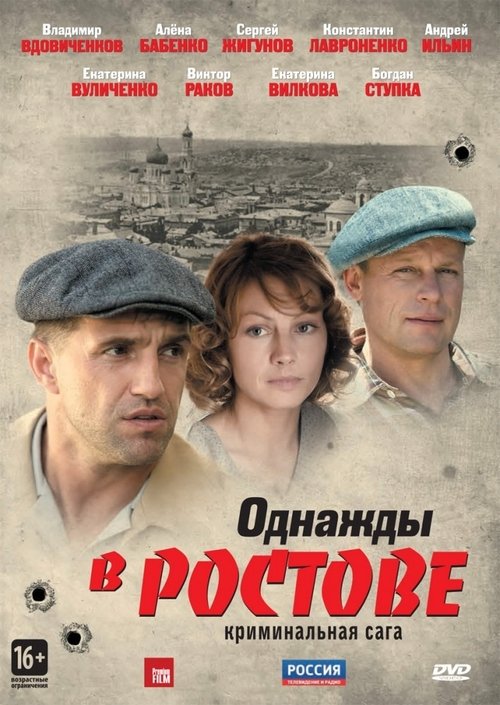
Once Upon a Time in Rostov begins with a young boy named Vanya, who lives in a small, post-Soviet town in Rostov. The story opens with Vanya's daily life, showcasing his struggles and the harsh realities of his environment. He is often seen wandering the streets, observing the lives of the adults around him, particularly his mother, who works tirelessly to provide for him. Vanya's innocence is palpable as he dreams of a better life, filled with adventure and excitement.
As the narrative progresses, Vanya discovers a hidden talent for storytelling. He begins to weave tales of fantasy and heroism, which he shares with his friends. This newfound passion provides him with an escape from his mundane reality. However, his mother is concerned about his daydreaming and urges him to focus on practical matters, creating a tension between their desires.
One day, while exploring an abandoned building, Vanya stumbles upon a group of older boys who are involved in petty crime. They initially intimidate him, but he quickly realizes that they are not as tough as they seem. Vanya's curiosity leads him to befriend one of the boys, Sasha, who becomes a significant influence in his life. Sasha introduces Vanya to a world of mischief and rebellion, which excites Vanya but also worries his mother.
As Vanya becomes more involved with Sasha and his gang, he begins to drift away from his childhood friends. The gang's activities escalate, leading to a series of small thefts and vandalism. Vanya feels a mix of exhilaration and guilt, torn between his loyalty to his new friends and his moral compass. This internal conflict deepens when they plan a larger heist that could have serious consequences.
The day of the heist arrives, and Vanya is filled with a mix of fear and excitement. The gang targets a local shop, and as they execute their plan, things quickly spiral out of control. Vanya hesitates, feeling the weight of his choices, but Sasha pressures him to go through with it. The heist ends in chaos when they are caught by the shop owner, leading to a frantic escape. Vanya's heart races as he runs through the streets, the thrill of the moment clashing with the reality of his actions.
In the aftermath of the heist, Vanya's relationship with his mother deteriorates. She discovers his involvement with the gang and confronts him, expressing her disappointment and fear for his future. Vanya feels misunderstood and lashes out, insisting that he is capable of making his own choices. This confrontation marks a turning point for Vanya, as he begins to question the path he is on.
As the story unfolds, Vanya's friendship with Sasha becomes strained. Sasha's reckless behavior escalates, leading to a confrontation with a rival gang. Vanya is caught in the middle, feeling the pressure to prove himself while also recognizing the danger of the situation. The rivalry culminates in a violent clash, where Vanya must decide whether to stand by Sasha or walk away from the chaos.
In a moment of clarity, Vanya chooses to leave the gang behind. He confronts Sasha, expressing his desire to pursue his dreams of storytelling instead of a life of crime. This decision is met with anger and betrayal from Sasha, who feels abandoned. Vanya's heart aches as he realizes the cost of his choice, but he is determined to forge a new path.
The climax of the story occurs when Vanya decides to enter a local storytelling competition. He pours his heart into his tale, drawing from his experiences and the lessons he has learned. The night of the competition, he stands on stage, nervous yet resolute. As he shares his story, he captivates the audience, revealing his inner struggles and aspirations. The emotional weight of his performance resonates deeply, earning him the respect and admiration of those who once doubted him.
In the final scenes, Vanya's mother watches proudly as he receives recognition for his storytelling. Their relationship begins to heal, as she acknowledges his talent and supports his dreams. Vanya's journey comes full circle as he embraces his identity as a storyteller, leaving behind the shadows of his past. The film closes with Vanya looking towards the future, filled with hope and determination, ready to write his own story.







What is the ending?
In the ending of "Once Upon a Time in Rostov," the main characters face the consequences of their choices. The story culminates in a tense confrontation that leads to a tragic resolution, highlighting themes of love, betrayal, and the impact of past decisions.
As the narrative unfolds, we see the characters grappling with their fates, leading to a poignant conclusion that leaves a lasting impression on the audience.
The final scenes of "Once Upon a Time in Rostov" begin with a heavy atmosphere, as the characters are drawn to the central conflict that has been brewing throughout the series. The setting is a dimly lit room in a modest house, where the air is thick with tension. The protagonist, Ivan, stands at the center, his face a mask of determination mixed with despair. He has come to a critical realization about the choices he has made and the people he has hurt along the way.
As Ivan prepares to confront his past, we see flashbacks of his earlier life, filled with moments of joy and love, juxtaposed against the pain of betrayal and loss. His internal struggle is palpable; he is torn between the desire for redemption and the weight of his guilt. The camera lingers on his furrowed brow and clenched fists, emphasizing his emotional turmoil.
In the next scene, we shift to the character of Maria, who is pacing anxiously in her small apartment. She is filled with a mix of hope and fear, knowing that her relationship with Ivan hangs in the balance. The sound of her heartbeat echoes in the silence, underscoring her vulnerability. As she looks out the window, the rain begins to fall, mirroring her inner conflict. She longs for Ivan but is also aware of the pain he has caused her.
The narrative then cuts to a confrontation between Ivan and his former friend, Sergei, who has been a source of conflict throughout the series. They meet in a secluded alley, the shadows casting long shapes on the ground. The tension is electric as they exchange harsh words, revealing the depth of their betrayal and the scars of their friendship. Ivan's voice trembles with anger and regret as he accuses Sergei of manipulating their lives for his own gain. Sergei, in turn, reveals his own vulnerabilities, exposing the cracks in his facade.
As the confrontation escalates, it becomes clear that this is not just a battle of words but a clash of ideals. The stakes are high, and both men are fighting for their futures. The scene is charged with emotion, and the audience can feel the weight of their shared history pressing down on them.
In the climax, the confrontation takes a tragic turn. A sudden act of violence erupts, leaving both men reeling from the consequences of their actions. The camera captures the shock on their faces, the realization that their choices have led them to this moment of irreversible change. The sound of sirens wails in the distance, signaling the arrival of law enforcement, and the gravity of the situation sinks in.
Meanwhile, Maria receives the news of the confrontation through a phone call. Her face pales as she processes the information, her heart racing. She rushes out into the rain, desperate to find Ivan and understand what has happened. The rain-soaked streets reflect her turmoil as she navigates through the chaos, her determination driving her forward.
The final moments of the series unfold in a poignant scene at the hospital, where Ivan lies injured but alive. Maria stands by his bedside, her eyes filled with tears. The room is quiet, save for the beeping of the machines, creating an atmosphere of fragile hope. Ivan's gaze meets hers, and in that moment, they share an unspoken understanding of their love and the pain they have endured.
As the camera pulls back, we see the two of them together, a fragile bond formed through their shared suffering. The series ends on a note of ambiguity, leaving the audience to ponder the future of their relationship and the impact of their choices. The fate of Sergei remains uncertain, as he faces the consequences of his actions, leaving a lingering question about redemption and forgiveness.
In the end, "Once Upon a Time in Rostov" concludes with a powerful message about the complexities of love, the weight of betrayal, and the possibility of healing, even in the face of tragedy. Each character is left to grapple with their own fate, and the story closes with a sense of unresolved tension, inviting reflection on the nature of human relationships.
Is there a post-credit scene?
"Once Upon a Time in Rostov," produced in 2012, does not feature a post-credit scene. The narrative concludes without any additional scenes after the credits roll, leaving the story wrapped up as it is. The focus remains on the main plot and character arcs throughout the series, culminating in a satisfying resolution without the need for further teasing or additional content.
What is the significance of the character Ivan in the story?
Ivan is a central character whose journey reflects the struggles of identity and belonging. He grapples with his past and the expectations placed upon him by his family and society. His internal conflict is palpable as he seeks to carve out his own path while dealing with the weight of his heritage.
How does the relationship between Ivan and his father evolve throughout the series?
The relationship between Ivan and his father is fraught with tension and misunderstanding. Initially, Ivan feels suffocated by his father's traditional values and expectations. As the series progresses, moments of vulnerability and shared experiences lead to a gradual reconciliation, showcasing the complexities of familial love and the desire for approval.
What role does the setting of Rostov play in the characters' lives?
Rostov serves as more than just a backdrop; it is a character in its own right. The city's rich history and cultural landscape influence the characters' decisions and interactions. The contrast between the bustling life of the city and the personal struggles of the characters highlights their isolation and longing for connection.
How does the theme of love manifest in the relationship between Ivan and his love interest?
The theme of love is intricately woven into Ivan's relationship with his love interest, marked by moments of passion, misunderstanding, and sacrifice. Their connection is tested by external pressures and personal insecurities, leading to poignant scenes that explore the depths of their emotions and the challenges of maintaining love amidst adversity.
What are the key turning points in Ivan's character development throughout the series?
Key turning points in Ivan's character development include his initial rebellion against his father's expectations, a pivotal moment of loss that forces him to confront his vulnerabilities, and ultimately, his acceptance of his identity. Each turning point is accompanied by intense emotional scenes that reveal his growth and the impact of his choices on those around him.
Is this family friendly?
"Once Upon a Time in Rostov," produced in 2012, is a drama that explores complex themes and emotional narratives. While it may not be explicitly graphic, there are several aspects that could be considered objectionable or upsetting for children or sensitive viewers:
-
Family Conflict: The show delves into intense family dynamics, including arguments and emotional confrontations that may be distressing for younger audiences.
-
Loss and Grief: Characters experience significant loss, leading to scenes of mourning and emotional turmoil that could be heavy for sensitive viewers.
-
Socioeconomic Struggles: The portrayal of poverty and hardship may be unsettling, as it highlights the struggles of the characters in a challenging environment.
-
Violence: While not overly graphic, there are moments of tension and conflict that may involve physical altercations or threats, which could be alarming for younger viewers.
-
Emotional Distress: Characters often face moral dilemmas and personal crises, leading to scenes of deep emotional distress that may be difficult for children to process.
Overall, while the show contains rich storytelling and character development, its themes and emotional weight may not be suitable for all audiences, particularly younger children or those sensitive to such content.