

Ask Your Own Question
What is the plot?
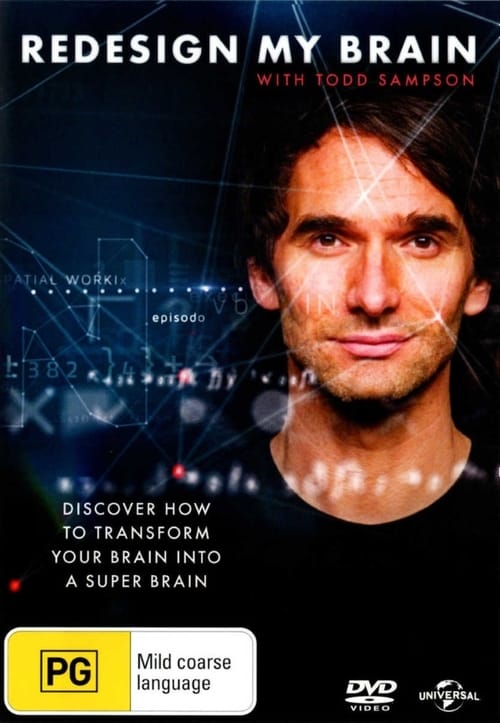
"Redesign My Brain" is a documentary series that follows the journey of host Todd Sampson as he explores the potential of the human brain and its ability to change and adapt. In Season 1, Episode 1, Todd embarks on a personal quest to enhance his cognitive abilities and reshape his brain through various scientific experiments and challenges.
The episode begins with Todd introducing the concept of neuroplasticity, the brain's ability to reorganize itself by forming new neural connections. He expresses his desire to improve his memory, focus, and overall cognitive function. Todd shares his personal struggles with memory and attention, setting the stage for his journey.
Todd visits a neuroscientist who explains the science behind neuroplasticity and how it can be harnessed to improve brain function. The scientist outlines several techniques that can stimulate brain growth, including mental exercises, physical activities, and mindfulness practices. Todd is intrigued and eager to begin his transformation.
The first challenge Todd undertakes is a memory test, where he is tasked with memorizing a series of random words. He struggles initially, feeling frustrated by his inability to recall the words accurately. This experience highlights his current limitations and motivates him to push forward with the program.
Next, Todd participates in a series of brain training exercises designed to enhance his cognitive skills. He engages in activities that require quick thinking and problem-solving, such as puzzles and memory games. As he progresses, he begins to notice small improvements in his performance, which boosts his confidence.
In a pivotal moment, Todd meets with a group of individuals who have undergone similar brain training programs. They share their experiences and the positive changes they have experienced in their lives. Inspired by their stories, Todd feels a renewed sense of determination to continue his journey.
Todd then explores the impact of physical exercise on brain health. He engages in various physical activities, including high-intensity interval training, which is shown to increase blood flow to the brain and promote the growth of new neurons. He finds the workouts challenging but invigorating, and he begins to appreciate the connection between physical fitness and cognitive function.
As the episode progresses, Todd incorporates mindfulness practices into his routine. He learns about meditation and its benefits for mental clarity and focus. He dedicates time each day to practice mindfulness, which helps him manage stress and improve his overall mental state.
In a significant turning point, Todd revisits the memory test he initially struggled with. This time, he employs the techniques he has learned throughout the episode. He successfully recalls the words with greater ease, demonstrating the progress he has made in his cognitive abilities. This moment serves as a validation of his efforts and the effectiveness of the methods he has been using.
The episode concludes with Todd reflecting on his journey and the changes he has experienced in his brain and life. He expresses gratitude for the insights he has gained and the newfound skills he has developed. Todd's journey highlights the potential for personal growth and the power of the human brain to adapt and improve.
What is the ending?
In the ending of "Redesign My Brain," the host, Todd Sampson, reflects on his journey of cognitive enhancement and the changes he has experienced. He shares insights about the brain's plasticity and the potential for personal growth. The episode concludes with Todd feeling empowered and optimistic about the future, having gained a deeper understanding of his own mind and the possibilities for improvement.
As the final episode unfolds, Todd Sampson stands in a bright, modern studio, the walls adorned with vibrant colors and images of the brain. He begins by summarizing his transformative journey throughout the series, where he explored various techniques to enhance cognitive function. The camera zooms in on his face, capturing a mix of excitement and introspection as he prepares to share his final thoughts.
In the first scene, Todd revisits the various experiments he undertook, including memory training, meditation, and brain games. He recalls the initial skepticism he felt about the potential for change, but as he reflects on his experiences, a sense of pride washes over him. The audience sees clips of him struggling with tasks at the beginning of the series, juxtaposed with his improved performance in the final assessments. This visual contrast highlights the progress he has made.
Next, Todd meets with experts who guided him throughout his journey. They sit in a cozy, well-lit room filled with books and brain models. The conversation flows naturally as they discuss the implications of brain plasticity. Todd expresses gratitude for their guidance, acknowledging how their insights have reshaped his understanding of learning and growth. The experts nod in agreement, their expressions conveying a shared sense of accomplishment.
In a pivotal moment, Todd participates in a final challenge designed to test his cognitive abilities. The scene shifts to a brightly lit testing room, where he faces a series of complex tasks that require quick thinking and problem-solving. As he navigates through the challenges, the tension builds, and the audience can feel his determination. With each completed task, a sense of exhilaration fills the air, culminating in a triumphant moment when he successfully finishes the final challenge.
After the challenge, Todd takes a moment to breathe deeply, his chest rising and falling as he processes the experience. He reflects on the emotional journey he has undergone, acknowledging the fears and doubts he faced along the way. The camera captures a close-up of his face, revealing a mixture of relief and joy. He realizes that the journey was not just about enhancing his cognitive abilities but also about embracing vulnerability and the willingness to change.
In the concluding scene, Todd stands outside, the sun setting behind him, casting a warm glow. He addresses the camera directly, sharing his newfound perspective on life and learning. He emphasizes the importance of continuous growth and the belief that anyone can redesign their brain. His voice is filled with conviction, and the sincerity in his eyes resonates with the audience.
As the episode wraps up, Todd's journey serves as a powerful reminder of the potential within each individual to evolve and adapt. The screen fades to black, leaving viewers with a sense of hope and inspiration, encouraging them to embark on their own journeys of self-improvement. The credits roll, accompanied by uplifting music, as Todd's final words linger in the air, inviting everyone to embrace the possibilities of their own minds.
Is there a post-credit scene?
In "Redesign My Brain," season 1, there are no post-credit scenes. The show focuses on the journey of host Todd Sampson as he explores the potential of the human brain and its ability to change and adapt. Each episode concludes with a summary of the insights gained during the experiments and challenges he undertakes, but there are no additional scenes or content after the credits roll. The emphasis remains on the educational and transformative experiences throughout the episodes rather than on any extended narrative or cliffhanger moments typical of post-credit scenes in other formats.
What specific techniques does the host use to enhance cognitive abilities in the show?
In 'Redesign My Brain', the host, Todd Sampson, explores various techniques to enhance cognitive abilities, including neuroplasticity exercises, mindfulness practices, and memory training. He engages in activities such as juggling, learning a new language, and participating in brain games designed to challenge and improve mental agility.
How does Todd Sampson's personal journey influence the experiments he undertakes?
Todd Sampson's personal journey is central to the narrative of 'Redesign My Brain'. He shares his struggles with memory and cognitive decline, which motivates him to explore ways to improve his brain function. His emotional investment in the experiments adds depth to the story, as viewers witness his determination and vulnerability throughout the process.
What role do the experts play in Todd's cognitive enhancement journey?
Throughout the series, various experts, including neuroscientists and psychologists, guide Todd Sampson in his cognitive enhancement journey. They provide insights into brain function, explain the science behind the techniques he employs, and offer personalized advice that shapes his approach to improving his mental capabilities.
What specific challenges does Todd face while attempting to redesign his brain?
Todd faces several challenges while attempting to redesign his brain, including frustration with his initial lack of progress, the mental strain of learning new skills, and the emotional toll of confronting his cognitive limitations. These challenges are depicted through his candid reflections and the physical manifestations of his struggles during the experiments.
How do the visual elements of the show enhance the storytelling of Todd's brain training?
The visual elements of 'Redesign My Brain' play a crucial role in enhancing the storytelling. The show employs dynamic graphics to illustrate brain activity, slow-motion footage to capture Todd's physical challenges, and immersive visuals of the environments where he trains. These elements create a compelling narrative that visually represents the complexities of cognitive enhancement.
Is this family friendly?
"Redesign My Brain" is a documentary series that explores the science of neuroplasticity and how individuals can change their brain's structure and function through various exercises and challenges. The show is generally family-friendly, focusing on educational content and personal growth. However, there are a few aspects that might be considered potentially objectionable or upsetting for children or sensitive viewers:
-
Emotional Struggles: Some participants share their personal challenges and emotional struggles, which may evoke feelings of sadness or discomfort.
-
Mental Health Discussions: The series touches on topics related to mental health, including anxiety and depression, which might be sensitive for some viewers.
-
Physical Challenges: Certain segments involve participants facing difficult tasks that may lead to frustration or feelings of inadequacy, which could be upsetting for younger viewers.
-
Intense Focus on Failure: The show emphasizes the process of learning and the potential for failure, which might be discouraging for children who are sensitive to criticism or setbacks.
Overall, while the series promotes positive change and resilience, the emotional depth and discussions around mental health may require parental guidance for younger audiences.