













Popular
What motivates Kiyoko to pursue her dreams despite the challenges she faces?
How does Kiyoko's relationship with her mentor evolve throughout the series?
What role does the rival character play in Kiyoko's journey?
How does Kiyoko's family background influence her decisions throughout the series?
What pivotal moment changes Kiyoko's perspective on success and failure?
Should I watch it?
Ask Your Own Question

What is the plot?
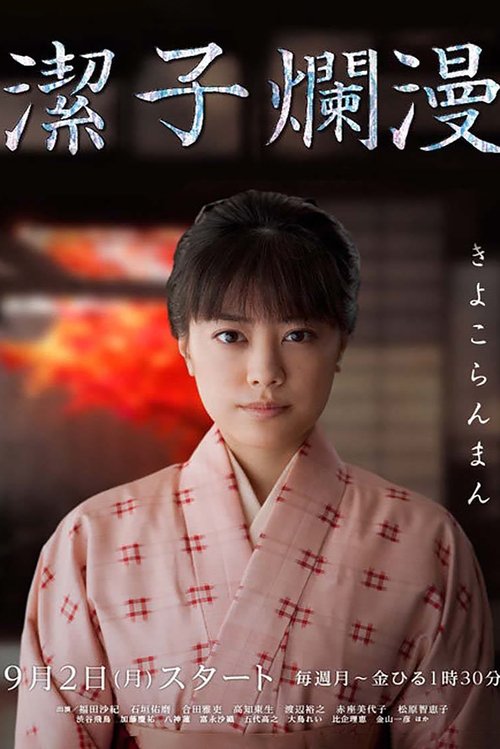
Kiyoko Ranman begins with the introduction of the protagonist, Kiyoko, a young woman living in a rural town in Japan during the early 20th century. She is passionate about her family's traditional craft of making kites, which has been passed down through generations. The story opens with Kiyoko working diligently in her family's workshop, surrounded by colorful kites and the scent of fresh paper and glue. Her father, a skilled craftsman, encourages her creativity but is also strict about adhering to tradition.
As the story progresses, Kiyoko's life takes a turn when she meets a traveling artist named Haruto, who arrives in town to showcase his paintings. Haruto is charismatic and free-spirited, capturing Kiyoko's attention and igniting her desire for adventure beyond her small town. They share a moment of connection as they discuss art and dreams, and Kiyoko feels a spark of inspiration that she has never experienced before.
Kiyoko's father disapproves of her growing friendship with Haruto, believing that he is a distraction from her responsibilities. This creates tension between Kiyoko and her father, as she struggles to balance her family's expectations with her own aspirations. One evening, after a heated argument with her father, Kiyoko decides to sneak out to attend Haruto's art exhibition. The vibrant colors and lively atmosphere of the event leave her in awe, and she feels a sense of belonging among the artists and dreamers.
During the exhibition, Kiyoko and Haruto share a dance under the stars, deepening their bond. However, the moment is interrupted when Kiyoko's father arrives, furious at her for defying him. He drags her home, and Kiyoko feels torn between her loyalty to her family and her desire for independence. This confrontation leads to Kiyoko making a pivotal decision: she resolves to prove herself as an artist and gain her father's respect.
Kiyoko begins to experiment with her kite designs, incorporating elements of Haruto's artistic style. She spends long nights in the workshop, pouring her heart into her creations. As she works, she reflects on her dreams and the sacrifices she must make to pursue them. Her determination grows, and she decides to enter a prestigious kite festival, hoping to showcase her unique designs and gain recognition.
The day of the kite festival arrives, and Kiyoko is filled with a mix of excitement and anxiety. She sets up her booth, displaying her kites adorned with vibrant colors and intricate patterns. As the festival begins, she watches other participants with envy, feeling the weight of her father's expectations pressing down on her. However, when the judges arrive, Kiyoko's heart races as they admire her work.
In a surprising twist, Kiyoko's kites catch the attention of a renowned artist who is a judge at the festival. He praises her creativity and offers to mentor her, which fills Kiyoko with hope. However, this opportunity also creates a rift between her and her father, who feels betrayed that she is seeking validation outside of their family tradition. Kiyoko must confront her father once more, leading to an emotional showdown where she expresses her desire to forge her own path.
As Kiyoko continues to grow as an artist, she faces challenges and setbacks, including moments of self-doubt and criticism from her peers. Haruto remains a supportive figure, encouraging her to stay true to her vision. Their relationship deepens, and they share intimate moments that highlight their mutual passion for art and life. However, Kiyoko's commitment to her craft begins to strain her relationship with her father, who feels increasingly alienated.
In a climactic moment, Kiyoko's father suffers a health scare, prompting her to return home and reassess her priorities. She realizes that while her dreams are important, her family is equally vital. This revelation leads her to create a special kite for her father, symbolizing their bond and her appreciation for their heritage. The kite is a blend of traditional and modern designs, showcasing her growth as an artist.
The story culminates in a heartfelt scene where Kiyoko presents the kite to her father. He is moved by her gesture and begins to understand her passion. They share a moment of reconciliation, and Kiyoko feels a sense of relief as she realizes that she can honor her family's legacy while also pursuing her own dreams.
In the final scenes, Kiyoko participates in another kite festival, this time with her father's support. She flies her kites high in the sky, feeling a sense of freedom and fulfillment. The vibrant colors of the kites against the blue sky symbolize her journey of self-discovery and the balance she has found between her family and her aspirations. The story ends on a hopeful note, with Kiyoko looking towards the future, ready to embrace whatever comes next.









What is the ending?
In the ending of "Kiyoko Ranman," the main characters confront their pasts and the choices they have made. Kiyoko, having faced numerous challenges, ultimately finds a sense of closure and acceptance. The story concludes with her embracing her identity and the relationships she has built, while other characters also come to terms with their own journeys.
As the final episodes unfold, the tension builds around Kiyoko's quest for self-discovery and the resolution of her relationships.
Scene 1: The Climax The episode opens with Kiyoko standing at the edge of a cliff, overlooking the vast landscape that symbolizes her journey. The wind whips through her hair, and her expression is a mix of determination and vulnerability. She reflects on the struggles she has faced, the friendships she has forged, and the betrayals that have haunted her. This moment is pivotal as it encapsulates her internal conflict--whether to continue fighting against the odds or to accept her circumstances.
Scene 2: Confrontation In the next scene, Kiyoko meets with her childhood friend, who has been a source of both support and conflict throughout the series. They engage in a heartfelt conversation, where Kiyoko expresses her feelings of inadequacy and fear of failure. Her friend, with tears in their eyes, reassures her that her worth is not defined by her past mistakes. This exchange is charged with emotion, highlighting the depth of their bond and the growth they have both experienced.
Scene 3: Resolution As the sun sets, casting a golden hue over the landscape, Kiyoko makes a decision. She chooses to embrace her identity and the life she has built, rather than running away from it. This moment is visually striking, with the warm colors symbolizing hope and new beginnings. Kiyoko's face softens as she smiles, a clear indication of her acceptance and readiness to move forward.
Scene 4: Farewell In the final scenes, Kiyoko gathers her friends and family for a farewell gathering. The atmosphere is bittersweet, filled with laughter and tears. Each character shares their own journey, revealing how Kiyoko has impacted their lives. The camera pans across their faces, capturing the joy and sorrow of parting. Kiyoko stands in the center, radiating a sense of peace and fulfillment.
Scene 5: New Beginnings The series concludes with Kiyoko walking away from the gathering, her silhouette framed against the setting sun. She takes a deep breath, symbolizing her readiness to face whatever comes next. The final shot lingers on her face, a mixture of hope and determination, as she steps into her future, leaving behind the shadows of her past.
In the end, Kiyoko finds closure and acceptance, while her friends also embark on their own paths of growth. Each character's fate is intertwined with Kiyoko's journey, emphasizing the importance of relationships and self-acceptance in overcoming life's challenges.
Is there a post-credit scene?
In the 2013 anime series "Kiyoko Ranman," there is indeed a post-credit scene that adds an intriguing layer to the story. After the final episode concludes, the screen fades to black, and a soft, whimsical melody begins to play, setting a lighthearted tone.
The scene opens with a picturesque view of the town where the main characters have spent their adventures. The sun is setting, casting a warm golden hue over the landscape. As the camera pans down, we see Kiyoko, the protagonist, sitting on a bench in the town square, sketchbook in hand. She is lost in thought, her brow furrowed slightly as she captures the beauty of the moment on paper.
Suddenly, a familiar voice interrupts her concentration. It's her friend and confidant, Haruto, who approaches with a playful grin. He teases her about her intense focus, and Kiyoko looks up, her expression shifting from concentration to a bright smile. This moment highlights their close bond, filled with warmth and camaraderie.
As they chat, the scene shifts to a montage of the other characters from the series, each engaged in their own activities that reflect their growth and development throughout the show. We see glimpses of them pursuing their dreams, laughing together, and supporting one another, reinforcing the themes of friendship and perseverance that permeate the series.
The final shot returns to Kiyoko and Haruto, who are now joined by their friends. They all gather around Kiyoko as she shows them her sketches, and they express their admiration and encouragement. The scene closes with a sense of hope and possibility, as Kiyoko looks up at the sky, her eyes sparkling with dreams yet to be realized.
This post-credit scene encapsulates the essence of "Kiyoko Ranman," leaving viewers with a feeling of fulfillment and anticipation for the characters' futures, while also emphasizing the importance of friendship and creativity in their lives.
What motivates Kiyoko to pursue her dreams despite the challenges she faces?
Kiyoko is driven by a deep-seated desire to prove herself in a male-dominated world. Her passion for her craft and the need to honor her family's legacy fuel her determination. She often reflects on her childhood dreams and the sacrifices her parents made, which intensifies her resolve to succeed.
How does Kiyoko's relationship with her mentor evolve throughout the series?
Initially, Kiyoko views her mentor with a mix of admiration and intimidation. As the series progresses, their relationship deepens into one of mutual respect and understanding. Kiyoko learns to trust her mentor's guidance while also asserting her own creative voice, leading to moments of tension and eventual reconciliation.
What role does the rival character play in Kiyoko's journey?
The rival character serves as both an obstacle and a catalyst for Kiyoko's growth. Their competitive nature pushes Kiyoko to refine her skills and confront her insecurities. This rivalry is marked by intense confrontations and moments of unexpected camaraderie, ultimately leading Kiyoko to discover her own strengths.
How does Kiyoko's family background influence her decisions throughout the series?
Kiyoko's family background is a significant influence on her choices. The expectations placed upon her by her parents, who were also artists, create a sense of pressure but also a source of inspiration. She grapples with the desire to honor their legacy while carving out her own identity, leading to internal conflicts that shape her journey.
What pivotal moment changes Kiyoko's perspective on success and failure?
A pivotal moment occurs when Kiyoko faces a major setback in her career, leading her to question her worth and abilities. This moment of vulnerability forces her to reassess her definition of success, shifting from external validation to personal fulfillment. It is a turning point that deepens her character and influences her future decisions.
Is this family friendly?
"Kiyoko Ranman," produced in 2013, is a family-friendly anime series that primarily focuses on themes of love, family, and personal growth. However, there are a few elements that might be considered potentially objectionable or upsetting for children or sensitive viewers:
-
Emotional Conflict: The series features scenes of emotional turmoil, including characters dealing with loss, disappointment, and unrequited love. These moments can be intense and may evoke strong feelings.
-
Family Struggles: There are depictions of familial discord and misunderstandings that may resonate with viewers who have experienced similar issues, potentially causing discomfort.
-
Romantic Tension: The show includes romantic subplots that may involve jealousy or heartbreak, which could be confusing or upsetting for younger audiences.
-
Cultural References: Some cultural nuances and societal expectations depicted in the series may be difficult for younger viewers to fully understand, leading to potential misunderstandings.
Overall, while "Kiyoko Ranman" is suitable for a family audience, these elements may require parental guidance for younger viewers or those who are particularly sensitive to emotional themes.