


















Popular
How does the relationship between Elena and Marco evolve throughout the series?
What motivates the main character, Elena, to seek revenge throughout the series?
What role does the character of Victor play in the unfolding of the plot?
What is the significance of the recurring motif of poison in the series?
How does the series depict the theme of identity through Elena's character arc?
Should I watch it?
Ask Your Own Question

What is the plot?
In the opening scene of "Nameless Poison," we are introduced to the protagonist, Elena, a skilled botanist who has dedicated her life to studying rare plants. She is seen in her laboratory, meticulously examining a new species she discovered in the Amazon rainforest. The camera pans over her notes, revealing her obsession with a particular plant known for its toxic properties. As she works, she receives a call from her estranged father, who is in a hospital after a mysterious accident. Despite their troubled relationship, she feels compelled to visit him.
Elena arrives at the hospital, where her father, a former scientist, is in a state of confusion. He mutters about a "dangerous discovery" and warns her to stay away from certain people. His cryptic warnings unsettle her, but she brushes them off as the ramblings of a sick man. After a brief visit, she leaves, but not before noticing a shadowy figure lurking outside the hospital. This figure, later revealed to be a member of a secret organization, watches her intently.
The next day, Elena returns to her lab, where she begins to research her father's past work. She uncovers a series of documents that hint at a groundbreaking project involving the same toxic plant she has been studying. The documents suggest that her father was involved in experiments that could have dangerous implications. Driven by a mix of curiosity and concern, she decides to dig deeper, leading her to a hidden lab in the woods where her father conducted his research.
As she explores the abandoned lab, Elena discovers vials of the toxic substance and notes detailing its potential uses in bioweapons. She realizes that her father was not just a scientist but was entangled in something far more sinister. Suddenly, she hears footsteps and hides just in time to see the shadowy figure from the hospital enter the lab. The figure, a man named Victor, begins to search through the documents, revealing his intent to retrieve the research for his organization.
Elena confronts Victor, leading to a tense standoff. He tries to persuade her to join him, claiming that her father's work could change the world. Elena, horrified by the implications, refuses and attempts to escape. A chase ensues through the woods, where Elena uses her knowledge of the terrain to evade Victor. She narrowly escapes and makes her way back to her lab, shaken but determined to expose the truth.
Back at her lab, Elena begins to piece together her father's research and the potential dangers it poses. She contacts a journalist, Mark, who has a reputation for uncovering corruption. They meet in a café, where Elena shares her findings. Mark is intrigued and agrees to help her investigate further. They plan to confront Victor and his organization, believing that exposing them could prevent a catastrophe.
As they dig deeper, Elena and Mark discover that Victor's organization is planning to weaponize the toxic plant for use in bioterrorism. They gather evidence and prepare to go public with their story. However, Victor catches wind of their investigation and sends operatives to intimidate them. One night, Elena's lab is broken into, and crucial evidence is stolen. This setback only fuels her determination to stop Victor.
In a pivotal scene, Elena and Mark decide to infiltrate a gala hosted by Victor, where he plans to showcase the potential of the toxic plant to investors. Disguised as guests, they navigate the event, gathering intel and trying to find a way to expose Victor. Tension builds as they overhear Victor discussing his plans with potential buyers, revealing the extent of his ambitions.
During the gala, Elena confronts Victor publicly, accusing him of endangering lives. The confrontation escalates, and Victor reveals his true nature, threatening Elena and Mark. A fight breaks out as security intervenes, and chaos ensues. Elena and Mark manage to escape, but not without drawing attention to themselves.
In the aftermath, Elena realizes that they need to act quickly. They decide to leak the information to the media, but Victor's organization is relentless. They track Elena down, leading to a climactic confrontation at her father's old lab. Victor and his operatives confront her, demanding the research she has. A fierce battle ensues, with Elena using her knowledge of the lab's layout to her advantage.
Elena fights back, using the toxic plant against Victor's men, creating a diversion that allows her to escape. In a final showdown, she confronts Victor, who reveals that he has been manipulating her all along, using her father's legacy for his own gain. In a desperate move, Elena manages to turn the tables, using the very poison they sought to weaponize against Victor, incapacitating him.
In the closing scenes, Elena and Mark present their findings to the authorities, leading to an investigation into Victor's organization. The final shot shows Elena standing in her lab, reflecting on her father's legacy and the choices she made. She vows to continue her work, but now with a renewed sense of purpose, determined to use her knowledge for good. The screen fades to black, leaving the audience with a sense of closure but also the lingering threat of the dangers posed by unchecked scientific ambition.
🔥 Trending TV Shows Now
Browse All TV Shows →








What is the ending?
In the ending of "Nameless Poison," the protagonist, Elena, confronts the antagonist, Victor, in a tense showdown that reveals the depths of betrayal and the consequences of their actions. The climax culminates in a dramatic confrontation where Elena must choose between revenge and forgiveness. Ultimately, she decides to let go of her anger, leading to a bittersweet resolution where Victor faces the repercussions of his deeds, and Elena finds a path toward healing.
As the final episodes unfold, the tension escalates. The scene opens in a dimly lit warehouse, where Elena stands alone, her heart racing as she prepares for the confrontation with Victor. The air is thick with anticipation, and the shadows cast by flickering lights create an ominous atmosphere. Elena's internal struggle is palpable; she grapples with the pain of betrayal and the desire for vengeance that has consumed her for so long.
Victor enters, his demeanor calm yet menacing. He taunts Elena, reminding her of the chaos he has caused in her life. The dialogue is sharp, filled with accusations and justifications. Elena's voice trembles with emotion as she confronts him about the destruction he has wrought, not just on her life but on the lives of those she loves. The weight of her grief and anger is evident in her clenched fists and the tears that threaten to spill from her eyes.
As the confrontation escalates, Elena pulls out a weapon, a symbol of her desire for revenge. The tension in the room is electric, and the stakes are high. Victor, sensing her hesitation, tries to manipulate her emotions, reminding her of the moments they shared and the trust that was shattered. Elena's internal conflict reaches a peak; she is torn between the urge to pull the trigger and the realization that this act would not bring her peace.
In a moment of clarity, Elena lowers the weapon, choosing forgiveness over vengeance. This decision is not made lightly; it is a culmination of her journey throughout the series, where she has learned the importance of letting go of the past. Victor's expression shifts from smug confidence to disbelief as he realizes he has underestimated her resolve.
The scene shifts to the aftermath of the confrontation. Victor is apprehended by the authorities, his fate sealed as he faces justice for his crimes. The camera lingers on Elena's face, capturing the mix of relief and sorrow. She walks away from the warehouse, the weight of her decision heavy on her shoulders, but there is a glimmer of hope in her eyes. She understands that while the scars of betrayal will remain, she has taken a significant step toward healing.
In the final moments, we see Elena reconnecting with her loved ones, the warmth of their presence providing a stark contrast to the darkness she has faced. The series closes with a sense of resolution, emphasizing the themes of forgiveness, the complexity of human relationships, and the journey toward self-discovery. Each character's fate is intertwined with Elena's choice; Victor's downfall serves as a reminder of the consequences of one's actions, while Elena's path toward healing signifies the strength found in forgiveness.
Is there a post-credit scene?
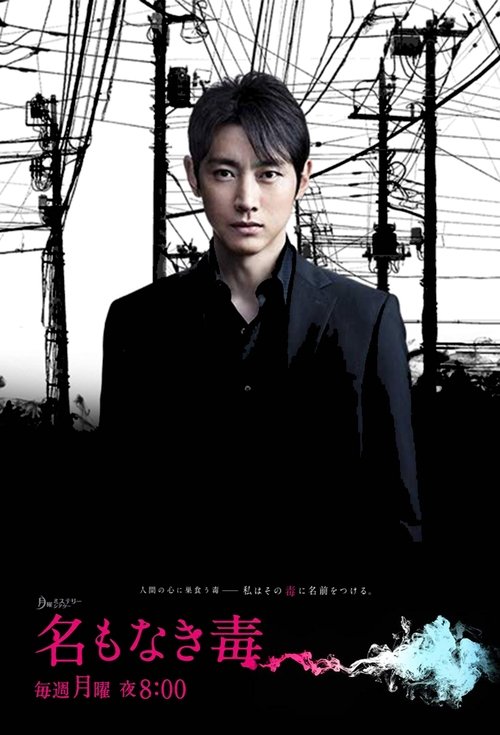
In the TV show "Nameless Poison," produced in 2013, there is indeed a post-credit scene that adds a layer of intrigue to the series.
As the credits roll, the screen fades back in to a dimly lit room, where a single flickering light bulb hangs from the ceiling, casting shadows on the walls. The atmosphere is thick with tension, and the sound of a clock ticking echoes in the background.
In the center of the room, a figure is seated at a table, their face obscured by the darkness. The camera slowly zooms in, revealing a set of old photographs spread out before them. Each photograph depicts key moments from the series, including pivotal scenes involving the main characters and their struggles with betrayal and trust.
The figure, whose identity remains hidden, begins to flip through the photographs, their fingers trembling slightly. A voice, low and gravelly, breaks the silence, muttering about the consequences of choices made and the poison that lingers in the hearts of those involved. The tone is ominous, suggesting that the story is far from over and that new threats may emerge.
As the camera pulls back, the figure suddenly looks up, their eyes glinting with a mix of determination and malice. The scene cuts to black, leaving viewers with a sense of foreboding and the implication that the unresolved conflicts will continue to haunt the characters in unexpected ways. This post-credit scene effectively sets the stage for potential future developments, keeping the audience on edge and eager for more.
How does the relationship between Elena and Marco evolve throughout the series?
Elena and Marco's relationship begins with tension and mistrust, as Marco is initially unaware of Elena's true identity and intentions. As they are forced to work together against a common enemy, their dynamic shifts from adversaries to reluctant allies. Marco's charm and charisma gradually break down Elena's defenses, leading to moments of vulnerability where they share their pasts. However, Elena's secret creates a barrier, causing emotional turmoil as she grapples with her feelings for Marco while remaining focused on her revenge. Their relationship becomes a poignant exploration of love, betrayal, and the complexities of trust.
What motivates the main character, Elena, to seek revenge throughout the series?
Elena's motivation for revenge is deeply rooted in her traumatic past. After witnessing the murder of her family by a powerful drug lord, she is consumed by grief and anger. This emotional turmoil drives her to infiltrate the criminal underworld, where she adopts a new identity. Her quest for vengeance is not just about retribution; it is also a means of reclaiming her lost sense of self and justice. As she navigates through dangerous alliances and moral dilemmas, her internal conflict intensifies, revealing her struggle between the desire for revenge and the need for redemption.
What role does the character of Victor play in the unfolding of the plot?
Victor serves as both an antagonist and a catalyst for Elena's transformation. As the drug lord responsible for her family's death, he embodies the darkness that Elena seeks to eradicate. His ruthless nature and cunning intelligence pose significant challenges for Elena as she attempts to dismantle his empire. Victor's interactions with Elena are charged with tension, as he often underestimates her resolve. His character is pivotal in pushing Elena to her limits, forcing her to confront her own moral boundaries. The psychological games he plays with her reveal deeper themes of power and vulnerability, making him a crucial figure in her journey.
What is the significance of the recurring motif of poison in the series?
The motif of poison is intricately woven into the narrative, symbolizing both the physical and emotional toxicity present in the characters' lives. It represents the corrupting influence of the drug trade and the moral decay that accompanies it. For Elena, poison also serves as a metaphor for her own internal struggles; she grapples with the bitterness of her past and the desire for revenge that threatens to consume her. The use of poison in various plot points, such as the methods of assassination and betrayal, underscores the theme of trust and the consequences of deceit. This motif enriches the story, adding layers of meaning to the characters' actions and decisions.
How does the series depict the theme of identity through Elena's character arc?
Elena's character arc is a profound exploration of identity, as she navigates the duality of her existence. Initially, she is portrayed as a grieving daughter, but as she adopts a new persona to infiltrate the criminal world, her sense of self becomes fragmented. The series delves into her internal struggle as she grapples with the loss of her former identity and the moral implications of her quest for revenge. Throughout the series, Elena's interactions with other characters force her to confront who she has become versus who she once was. This theme of identity is poignantly illustrated in her relationships, particularly with Marco, where she must reconcile her feelings with her mission, ultimately leading to a powerful climax in her journey of self-discovery.
Is this family friendly?
"Nameless Poison," produced in 2013, is a drama that delves into complex themes and emotional struggles. While it offers a rich narrative, it contains several elements that may not be suitable for children or sensitive viewers.
-
Intense Emotional Scenes: The show features numerous moments of deep emotional turmoil, including characters grappling with loss, betrayal, and moral dilemmas. These scenes can be quite heavy and may evoke strong feelings.
-
Violence and Threats: There are instances of violence, including physical confrontations and threats that can be distressing. The portrayal of these moments is often raw and impactful.
-
Substance Abuse: The series addresses themes of addiction and substance abuse, showcasing characters struggling with these issues, which may be unsettling for younger audiences.
-
Dark Themes: The narrative explores darker aspects of human nature, including manipulation, revenge, and the consequences of choices, which may be difficult for children to understand or process.
-
Complex Relationships: The show presents complicated relationships that involve betrayal, infidelity, and moral ambiguity, which may be confusing or upsetting for younger viewers.
Overall, while "Nameless Poison" offers a compelling story, its mature themes and emotional depth may not be appropriate for all audiences, particularly children or those sensitive to such content.