























Popular
What are the main character's motivations throughout the series?
What role does the character of Maria play in Alex's journey?
How does the relationship between Alex and his commanding officer evolve?
How does the series depict the impact of war on soldiers' mental health?
What significant events lead to the turning point in the storyline?
Should I watch it?
Ask Your Own Question

What is the plot?
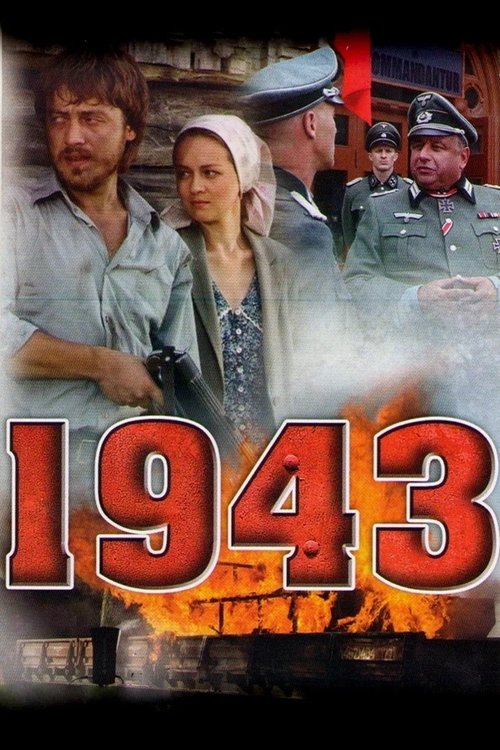
In the opening scene of "1943," the audience is introduced to a war-torn Europe, where the chaos of World War II is palpable. The camera pans over bombed-out buildings and soldiers in the trenches, setting a grim tone. We meet the protagonist, a young soldier named Alex, who is grappling with the harsh realities of war. He receives a letter from home, which serves as a reminder of what he is fighting for, igniting a flicker of hope amidst the despair.
As the story progresses, Alex and his unit are assigned a dangerous mission to infiltrate enemy lines and gather intelligence on a secret weapon being developed by the Axis powers. The tension builds as they prepare for the operation, showcasing the camaraderie among the soldiers. Each character's backstory is briefly touched upon, revealing their motivations and fears. Alex, in particular, is driven by a desire to protect his family and return home safely.
The mission begins with a nighttime raid, where Alex and his comrades stealthily navigate through enemy territory. The atmosphere is thick with suspense as they encounter patrols and narrowly avoid detection. The cinematography captures the darkness and uncertainty, heightening the stakes. During this sequence, Alex demonstrates his resourcefulness, using his knowledge of the terrain to guide his team.
As they reach the enemy camp, the soldiers discover the secret weapon: a prototype aircraft that could turn the tide of the war. However, their presence is soon detected, leading to a chaotic firefight. Bullets fly, and explosions rock the area as Alex and his team engage in a desperate battle for survival. The scene is intense, with close-ups of the characters' faces reflecting their fear and determination. Alex makes a critical decision to split from the group to secure the intelligence, believing it is the only way to ensure their mission's success.
In the aftermath of the skirmish, Alex manages to retrieve crucial documents but is separated from his unit. Alone and wounded, he navigates through the forest, haunted by the sounds of war and the weight of his choices. Flashbacks of his family and friends play in his mind, illustrating his internal struggle and longing for home. The emotional depth of this sequence is palpable, as Alex grapples with the consequences of his actions.
Meanwhile, back at the base, the remaining soldiers are worried about Alex's fate. Tensions rise as they debate whether to mount a rescue mission or wait for him to return. The commanding officer, torn between duty and compassion, ultimately decides to send a small team to find Alex, showcasing the bond between the soldiers and their commitment to one another.
As the rescue team embarks on their mission, they encounter various obstacles, including enemy patrols and treacherous terrain. Each member of the team faces their own fears and doubts, but they push forward, driven by the hope of finding Alex alive. The cinematography captures the beauty and danger of the landscape, contrasting the serenity of nature with the brutality of war.
Back in the forest, Alex encounters a wounded enemy soldier. Faced with a moral dilemma, he must decide whether to help the man or leave him to die. This moment of compassion highlights Alex's humanity amidst the horrors of war. Ultimately, he chooses to assist the soldier, which leads to an unexpected alliance as they work together to evade capture.
The rescue team finally locates Alex, but their reunion is short-lived as they are ambushed by enemy forces. A fierce battle ensues, with each character fighting for their lives. The choreography of the fight is intense, with close-quarters combat and strategic maneuvers. Alex's earlier decision to help the enemy soldier pays off, as the man returns to aid them in the fight, showcasing the complexities of war and loyalty.
As the dust settles, the surviving soldiers regroup and make their way back to safety. However, the emotional toll of their experiences weighs heavily on them. Alex reflects on the cost of war, the lives lost, and the bonds formed in the face of adversity. The final scenes depict the soldiers returning home, forever changed by their experiences, with Alex holding onto the hope of a brighter future despite the scars of battle. The film concludes with a poignant reminder of the sacrifices made during wartime, leaving a lasting impact on the audience.
🔥 Trending TV Shows Now
Browse All TV Shows →








What is the ending?
In the ending of the TV show "1943," the characters face the culmination of their struggles against the backdrop of World War II. The main characters confront their personal demons and the harsh realities of war, leading to significant sacrifices and resolutions. The series concludes with a sense of bittersweet hope as the characters find a way to move forward despite the losses they have endured.
As the final episodes unfold, the tension escalates. The scene opens in a war-torn city, where the remnants of a once-thriving community are now filled with rubble and despair. The protagonist, a young soldier named Alex, grapples with the weight of his decisions. He stands amidst the ruins, reflecting on the friends he has lost and the choices that have led him to this moment. His internal conflict is palpable; he feels the burden of survival and the guilt of those who did not make it.
In the next scene, we see Alex reunite with his childhood friend, Maria, who has been working as a nurse in a makeshift hospital. Their reunion is filled with a mix of relief and sorrow. Maria, weary from the constant influx of wounded soldiers, embodies resilience, yet her eyes reveal the toll the war has taken on her spirit. They share a quiet moment, acknowledging the changes that have occurred in their lives, both physically and emotionally. Their bond is tested as they discuss the future, with Maria expressing her desire to help rebuild their community, while Alex struggles with the idea of returning home.
The narrative shifts to a group of soldiers preparing for a final mission. Among them is Tom, a seasoned veteran who has become a mentor to Alex. Tom's character is marked by a deep sense of duty, but he also carries the scars of war. As they gear up, Tom shares stories of his past, revealing his motivations and fears. He knows this mission could be his last, and he urges the younger soldiers to cherish their lives and the moments they have left.
The mission unfolds with intense action sequences, showcasing the chaos of battle. Explosions rock the landscape, and the camaraderie among the soldiers is tested as they face overwhelming odds. In a pivotal moment, Tom sacrifices himself to save Alex, pushing him out of harm's way. This act of bravery leaves Alex devastated, grappling with the loss of his mentor and the harsh reality of war.
As the dust settles, the remaining soldiers regroup, and Alex is left to confront the aftermath of the mission. He stands alone, haunted by the memories of his fallen comrades. In a poignant scene, he visits a memorial site where he places a photograph of Tom, symbolizing his commitment to honor his friend's sacrifice. The weight of grief is heavy, but it also ignites a determination within him to carry on.
The series concludes with a montage of the characters' lives post-war. Maria is seen leading efforts to rebuild the community, her spirit unbroken despite the challenges. Alex, now a changed man, returns to the town, where he finds solace in helping others. The final scene captures a moment of hope as the community gathers to remember those they lost, united in their shared experiences and the promise of a new beginning.
In summary, the ending of "1943" encapsulates the themes of sacrifice, resilience, and the enduring human spirit in the face of adversity. Each character's fate reflects their journey through the war, highlighting the personal costs of conflict and the strength found in community and remembrance.
Is there a post-credit scene?
The TV show "1943," produced in 2013, does not feature a post-credit scene. The series concludes its narrative without any additional scenes after the credits roll. The final moments of the show focus on the resolution of the main characters' arcs, leaving viewers with a sense of closure regarding the events of the storyline set against the backdrop of World War II. The emphasis is on the emotional weight of the characters' experiences and the impact of the war on their lives, rather than teasing future developments or additional content.
What are the main character's motivations throughout the series?
The main character, a young soldier named Alex, is driven by a deep sense of duty and a desire to protect his family and homeland. His internal conflict arises from the horrors of war, which challenge his idealistic views and force him to confront the moral ambiguities of his actions.
What role does the character of Maria play in Alex's journey?
Maria serves as a symbol of hope and love for Alex amidst the chaos of war. Their relationship develops through letters exchanged during his deployment, showcasing her unwavering support. As Alex faces the brutal realities of combat, Maria's character represents the life he longs to return to, intensifying his internal struggle.
How does the relationship between Alex and his commanding officer evolve?
Initially, Alex views his commanding officer, Captain Miller, with a mix of respect and fear. As the series progresses, their relationship becomes strained due to differing ideologies about warfare. Alex's growing disillusionment with the war leads to heated confrontations, revealing both characters' vulnerabilities and the weight of their responsibilities.
How does the series depict the impact of war on soldiers' mental health?
The series poignantly illustrates the psychological toll of war through various characters, particularly Alex and his fellow soldiers. Scenes depict their struggles with PTSD, nightmares, and the burden of guilt over lost comrades. These moments are portrayed with raw emotion, highlighting the fragility of their mental states and the long-lasting effects of their experiences.
What significant events lead to the turning point in the storyline?
A pivotal turning point occurs during a particularly brutal battle where Alex is forced to make a life-or-death decision that results in the loss of a close friend. This event shatters his idealism and propels him into a darker, more complex understanding of war. The aftermath of this battle serves as a catalyst for his transformation and the subsequent choices he makes.
Is this family friendly?
"1943," produced in 2013, is a drama that delves into the complexities of life during a tumultuous period in history. While the show is rich in storytelling and character development, it does contain several elements that may not be suitable for children or sensitive viewers.
-
War Violence: The series depicts the harsh realities of war, including scenes of combat, explosions, and the aftermath of battles, which can be intense and distressing.
-
Emotional Trauma: Characters experience significant emotional turmoil, including loss, grief, and the psychological effects of war, which may be heavy for younger audiences to process.
-
Mature Themes: The show explores themes of betrayal, sacrifice, and moral ambiguity, which may be complex and challenging for children to understand.
-
Death and Loss: There are moments that involve the death of characters, which can be upsetting and may evoke strong emotional responses.
-
Conflict and Tension: The interpersonal conflicts among characters can lead to heated arguments and moments of despair, reflecting the strain of wartime life.
These aspects contribute to a narrative that, while compelling and thought-provoking, may not be appropriate for all viewers, particularly younger children or those sensitive to such themes.