


Popular
What specific castles are featured in Schlösserwelten Europas and what unique stories do they tell?
How does the series depict the historical significance of each castle?
What emotional journeys do the characters associated with the castles experience throughout the series?
Are there any specific legends or myths associated with the castles that are explored in the series?
How does the cinematography of Schlösserwelten Europas enhance the storytelling of each castle's history?
Should I watch it?
Ask Your Own Question

What is the plot?
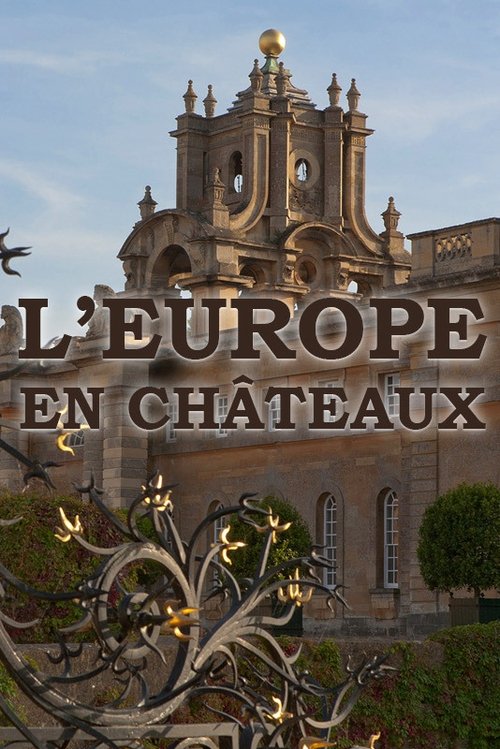
"Schlösserwelten Europas" is a documentary series that explores the rich history and architectural beauty of various castles across Europe. Each episode focuses on a different castle, delving into its historical significance, architectural features, and the stories of the people who lived there.
The series begins with an introduction to the concept of European castles, highlighting their roles as fortifications, residences, and symbols of power. The narrator sets the stage for the exploration of these magnificent structures, emphasizing their cultural and historical importance.
In the first episode, the focus is on Neuschwanstein Castle in Bavaria, Germany. The narrative unfolds with stunning aerial shots of the castle, nestled among the mountains. The narrator describes King Ludwig II's vision for the castle, inspired by romantic ideals and fairy tales. The episode details Ludwig's childhood, his fascination with the arts, and his eventual ascension to the throne.
As the story progresses, the episode reveals Ludwig's reclusive nature and his desire to create a sanctuary away from the pressures of royal life. The construction of Neuschwanstein begins in 1869, and the episode showcases the innovative architectural techniques used, including the incorporation of modern amenities for the time.
The narrative shifts to the challenges faced during construction, including financial difficulties and Ludwig's mysterious death in 1886. The episode concludes with reflections on the castle's legacy, its transformation into a tourist attraction, and its enduring status as a symbol of romanticism.
Subsequent episodes follow a similar format, each focusing on a different castle. The second episode explores the Château de Chambord in France, detailing its Renaissance architecture and the influence of Leonardo da Vinci. The episode highlights the castle's unique double helix staircase and its role as a hunting lodge for King Francis I.
The third episode takes viewers to the Tower of London, examining its history as a royal palace, prison, and fortress. The narrative includes tales of famous prisoners, such as Anne Boleyn, and the significance of the Crown Jewels housed within its walls.
As the series progresses, viewers are introduced to various castles, including the Alcázar of Segovia in Spain, the Edinburgh Castle in Scotland, and the Château de Chenonceau in France. Each episode provides a deep dive into the architectural styles, historical events, and personal stories associated with these iconic structures.
Throughout the series, the cinematography captures the grandeur of the castles, with sweeping views of their surroundings and intricate details of their interiors. The emotional weight of the stories is conveyed through interviews with historians, architects, and local guides, who share their passion for these historical sites.
The final episode reflects on the enduring fascination with castles in contemporary culture, exploring their representation in literature, film, and tourism. The series concludes with a celebration of the architectural heritage of Europe, leaving viewers with a sense of wonder about the stories that these castles continue to tell.
🔥 Trending TV Shows Now
Browse All TV Shows →








What is the ending?
"Schlösserwelten Europas" is a documentary series that explores the rich history and architectural beauty of various castles across Europe. As such, it does not have a traditional narrative ending with character arcs or conflicts like a scripted drama. Instead, each episode concludes with a reflection on the significance of the castles and their historical contexts, leaving viewers with a sense of appreciation for the cultural heritage of Europe.
In a more detailed narrative format, the series culminates in a series of reflections on the castles visited throughout the episodes.
Scene 1: The camera pans over the majestic silhouette of a castle at sunset, its towers casting long shadows over the surrounding landscape. The narrator's voice resonates, emphasizing the enduring legacy of these structures. The audience is reminded of the stories of kings and queens, battles fought, and the lives lived within these walls.
Scene 2: Transitioning to a close-up of intricate stone carvings, the narrator discusses the craftsmanship that has survived centuries. The emotional weight of history is palpable as viewers are invited to consider the artisans who dedicated their lives to creating beauty that would outlast them.
Scene 3: The series then shifts to a montage of various castles, each representing different eras and styles. The camera captures the vibrant colors of tapestries, the glint of chandeliers, and the serene gardens that surround these fortresses. The narrator reflects on how these castles served not only as homes but also as symbols of power and protection.
Scene 4: As the final episode draws to a close, the narrator invites viewers to ponder the future of these historical sites. The camera captures a group of visitors exploring a castle, their faces filled with wonder and curiosity. This scene highlights the ongoing relevance of these structures in contemporary society, as they continue to inspire and educate new generations.
Scene 5: The series concludes with a sweeping aerial shot of a castle, bathed in the golden light of dawn. The narrator's voice softens, expressing hope for the preservation of these cultural treasures. The final words resonate with a sense of unity, reminding viewers that the stories of the past are woven into the fabric of our present and future.
In summary, "Schlösserwelten Europas" ends not with a traditional resolution but with a celebration of history, craftsmanship, and the enduring significance of Europe's castles. Each castle visited throughout the series serves as a testament to the human spirit, creativity, and the importance of preserving our shared heritage for future generations.
Is there a post-credit scene?
"Schlösserwelten Europas," produced in 2013, does not feature any post-credit scenes. The series focuses on exploring the rich history and architectural beauty of various castles across Europe, providing viewers with in-depth insights into their cultural significance and the stories behind them. Each episode concludes with a summary of the castle's historical context and its impact on the surrounding region, but there are no additional scenes or content after the credits. The emphasis remains on the educational and visual experience throughout the series.
What specific castles are featured in Schlösserwelten Europas and what unique stories do they tell?
Schlösserwelten Europas showcases a variety of castles across Europe, each with its own unique history and architectural style. For instance, the series highlights Neuschwanstein Castle in Germany, known for its fairy-tale appearance and the tragic story of King Ludwig II, who commissioned its construction. Another featured castle is Château de Chambord in France, celebrated for its Renaissance architecture and the intriguing tales of its royal inhabitants.
How does the series depict the historical significance of each castle?
The series delves into the historical significance of each castle by exploring the events that took place within their walls. For example, it discusses how the castles served as royal residences, military strongholds, and symbols of power. The narrative often includes reenactments and expert commentary that bring to life the political intrigues and personal dramas that shaped the history of these magnificent structures.
What emotional journeys do the characters associated with the castles experience throughout the series?
Throughout Schlösserwelten Europas, characters associated with the castles often experience profound emotional journeys. For instance, the series may portray a historian's passion for uncovering the truth behind a castle's past, reflecting their personal connection to history. Similarly, the stories of former inhabitants, such as kings and queens, are depicted with a focus on their aspirations, struggles, and the weight of their legacies, evoking empathy and a deeper understanding of their lives.
Are there any specific legends or myths associated with the castles that are explored in the series?
Yes, the series explores various legends and myths tied to the castles, enriching the narrative with folklore. For example, it may recount the tale of the White Lady of Hohenzollern Castle, a ghostly figure said to haunt the grounds, representing lost love and betrayal. These stories are interwoven with the historical facts, creating a captivating blend of reality and myth that enhances the viewer's experience.
How does the cinematography of Schlösserwelten Europas enhance the storytelling of each castle's history?
The cinematography in Schlösserwelten Europas plays a crucial role in enhancing the storytelling. The series employs sweeping aerial shots of the castles set against breathtaking landscapes, capturing their grandeur and isolation. Close-up shots of intricate architectural details and historical artifacts invite viewers to appreciate the craftsmanship and artistry. The use of natural light and atmospheric conditions, such as fog or sunset, adds emotional depth, making the viewer feel the weight of history and the beauty of these timeless structures.
Is this family friendly?
"Schlösserwelten Europas," produced in 2013, is a documentary series that explores the rich history and architectural beauty of various castles across Europe. The show is generally family-friendly, focusing on historical narratives, stunning visuals, and cultural insights.
However, there are a few aspects that might be considered potentially objectionable or upsetting for children or sensitive viewers:
-
Historical Context: Some episodes delve into darker historical events associated with certain castles, such as wars, sieges, or betrayals, which may include discussions of violence or loss.
-
Architectural Decay: The series sometimes showcases castles in various states of disrepair, which could evoke feelings of sadness or loss regarding historical heritage.
-
Emotional Narratives: Personal stories of historical figures may include themes of tragedy, such as unrequited love or betrayal, which could be emotionally intense for younger viewers.
Overall, while the series is educational and visually captivating, parents may want to preview episodes to gauge their suitability for younger audiences.