
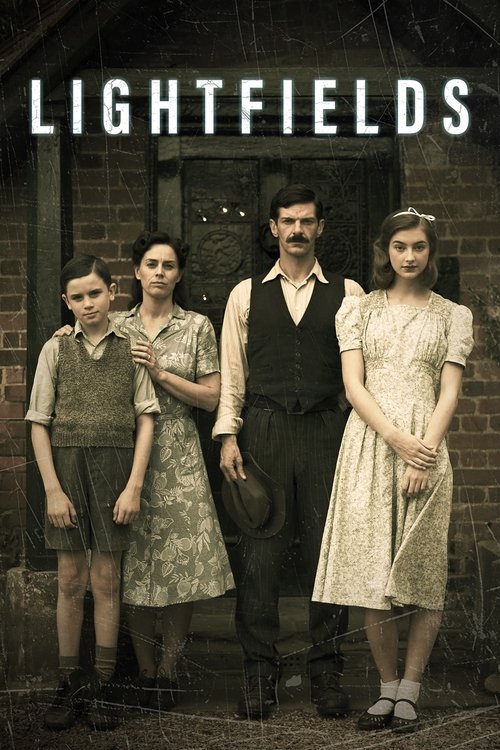














Popular
How do the relationships between the characters evolve throughout the series?
What role does the character of the psychic play in the story?
What is the significance of the house in Lightfields?
How does the character of Lucy impact the other characters in Lightfields?
What are the main conflicts faced by the character of Jem?
Should I watch it?
Ask Your Own Question

What is the plot?
In the small, isolated town of Lightfields, the story begins with the arrival of a group of teenagers, including the main character, a girl named Mia. They are visiting a family friend's house for the summer. The house is old and has a mysterious past, which intrigues the group. Mia is particularly drawn to the house and its history, feeling a strange connection to it. As they settle in, they begin to explore the surrounding area, uncovering remnants of the past, including a hidden diary that hints at a tragic event that occurred years ago.
As the group spends more time in the house, they start experiencing strange occurrences. Mia begins to have vivid dreams and visions of a girl named Lucy, who lived in the house decades earlier. Lucy's story unfolds through Mia's dreams, revealing that she was a victim of a tragic accident that took place in the house. The visions become more intense, and Mia feels compelled to learn more about Lucy's life and the circumstances surrounding her death.
Mia confides in her friends about the dreams, but they are skeptical. However, as the supernatural events escalate, they begin to believe her. The group decides to investigate Lucy's past further, leading them to discover that Lucy had a close relationship with a boy named Tom, who was deeply affected by her death. They learn that Tom has been haunted by guilt and regret ever since, believing he could have saved her.
As the summer progresses, tensions rise within the group. Mia becomes increasingly obsessed with Lucy's story, which causes friction with her friends. They worry about her mental state and try to pull her back to reality. Meanwhile, Mia's connection to Lucy deepens, and she starts to feel Lucy's emotions and pain as if they were her own. This emotional turmoil leads Mia to make a pivotal decision: she must confront the truth about Lucy's death to find closure for both herself and Lucy's spirit.
In a climactic sequence, Mia and her friends organize a séance in the house to communicate with Lucy's spirit. During the séance, the atmosphere becomes charged with energy, and the group experiences a series of terrifying events. Objects move on their own, and the temperature drops dramatically. Mia, in a trance-like state, channels Lucy's spirit, revealing the details of the accident that led to her death. It is revealed that Lucy was pushed during a confrontation with Tom, leading to her fatal fall.
The revelation causes a rift between Mia and her friends, as they grapple with the implications of what they have learned. Tom, who has been lurking in the background, finally confronts Mia, expressing his guilt and sorrow over Lucy's death. He reveals that he has been trying to make amends for years, but the weight of his actions has been unbearable. This confrontation forces Mia to confront her own feelings of guilt and responsibility for Lucy's spirit.
As the story reaches its climax, Mia decides to take action to help Lucy find peace. She organizes a memorial for Lucy at the site of her death, inviting the townspeople and Tom to participate. The memorial serves as a cathartic moment for everyone involved, allowing them to honor Lucy's memory and acknowledge the pain of the past. During the memorial, Mia delivers a heartfelt speech, urging everyone to forgive themselves and each other.
In the final moments of the story, as the memorial concludes, a sense of calm washes over the group. Mia feels a release of the emotional burden she has been carrying, and she senses that Lucy's spirit has finally found peace. The supernatural occurrences in the house begin to fade, signaling that Lucy's presence is no longer tied to the pain of her past. The group leaves the house, transformed by their experiences, and Mia looks back one last time, feeling a sense of closure and hope for the future.








What is the ending?
In the ending of "Lightfields," the story culminates in a confrontation between the living and the past, as the characters grapple with their unresolved emotions and the impact of a tragic event. The main characters, including the ghostly presence of the deceased Lucy, confront their intertwined fates, leading to a resolution that allows them to move forward.
As the final scenes unfold, the tension builds in the atmospheric setting of the Lightfields, where the past and present collide. The characters face their fears and regrets, ultimately finding a way to let go of the pain that has haunted them. The resolution brings a sense of closure, allowing the living to honor Lucy's memory while also embracing their own futures.
The final act of "Lightfields" begins with a palpable tension hanging in the air, as the characters are drawn back to the haunting location of the Lightfields. The sun sets, casting long shadows across the fields, a visual metaphor for the lingering presence of the past. The atmosphere is thick with emotion, as the characters--particularly the sisters, the grieving family, and the ghost of Lucy--prepare for a confrontation that has been building throughout the series.
Scene 1: The Confrontation The scene opens with the sisters, who have been deeply affected by Lucy's death, standing at the edge of the fields. They are visibly shaken, their faces reflecting a mix of fear and determination. The wind rustles through the tall grass, echoing the whispers of the past. Lucy's ghost appears, ethereal and sorrowful, her presence a reminder of the tragedy that binds them all. The sisters, torn between their desire to connect with Lucy and their need to move on, engage in a heartfelt dialogue with her spirit. They express their regrets and the pain of loss, revealing their internal struggles and the weight of unresolved emotions.
Scene 2: The Release As the conversation deepens, Lucy's ghost reveals her own pain, trapped in the cycle of grief and longing. The sisters, realizing that they must confront their own feelings to help Lucy find peace, begin to share their memories of her--both joyful and painful. The emotional weight of their words hangs in the air, and the atmosphere shifts as they collectively acknowledge the impact of Lucy's life and death. The scene is charged with emotion, as tears are shed and heartfelt confessions are made. The sisters embrace, symbolizing their unity and the strength of their bond, while Lucy's spirit begins to glow softly, indicating her readiness to move on.
Scene 3: The Resolution In the climactic moment, the sisters take a step forward, reaching out to Lucy. They express their love and forgiveness, allowing Lucy to finally let go of her earthly ties. The light surrounding her intensifies, and with a final, bittersweet smile, Lucy fades away, leaving behind a sense of peace. The sisters stand together, their expressions a mix of sorrow and relief, as they feel the weight of the past lift from their shoulders. The fields, once a place of haunting memories, now feel lighter, filled with the promise of new beginnings.
Scene 4: Moving Forward The final scene shifts to the sisters walking away from the Lightfields, hand in hand. The sun rises in the background, symbolizing hope and renewal. They share a quiet moment of understanding, having faced their fears and emerged stronger. The camera pans out, capturing the vastness of the fields, now bathed in warm light, a stark contrast to the darkness that once enveloped them. The sisters look forward, ready to embrace their futures, having honored Lucy's memory while also allowing themselves to heal.
In the end, each character finds their own resolution: the sisters, united in their grief and love, step into a new chapter of their lives; Lucy, finally free, transcends her earthly ties; and the Lightfields, once a site of tragedy, transform into a symbol of hope and renewal. The story concludes with a sense of closure, emphasizing the importance of confronting the past to move forward into the future.
Is there a post-credit scene?
The TV show "Lightfields," produced in 2013, does not feature a post-credit scene. The series concludes its narrative within the final episode, wrapping up the storylines of the characters without any additional scenes after the credits. The focus remains on the emotional and supernatural elements that unfold throughout the episodes, particularly the intertwining fates of the characters connected to the mysterious events surrounding the Lightfields.
How do the relationships between the characters evolve throughout the series?
The relationships between the characters in Lightfields are complex and evolve significantly as the story progresses. Initially, the group of friends is united by their shared experiences, but the weight of Lucy's death creates tension and division. As they confront their guilt, secrets, and the supernatural elements surrounding them, their bonds are tested, leading to moments of betrayal, reconciliation, and ultimately, a deeper understanding of one another.
What role does the character of the psychic play in the story?
The psychic in Lightfields serves as a catalyst for the unfolding events, providing insight into the supernatural occurrences tied to the house. Her presence brings a sense of urgency and mystery, as she attempts to communicate with Lucy's spirit. The psychic's interactions with the main characters reveal their inner struggles and fears, pushing them to confront the past and seek redemption.
What is the significance of the house in Lightfields?
The house in Lightfields serves as a central character in the story, embodying the memories and secrets of the past. It is where the tragic events unfold, particularly the drowning of a young girl named Lucy, which haunts the characters throughout the series. The house's eerie atmosphere and its connection to the supernatural elements create a backdrop for the emotional turmoil experienced by the characters.
How does the character of Lucy impact the other characters in Lightfields?
Lucy, who tragically drowns, becomes a ghostly presence that profoundly affects the living characters. Her death creates a rift between the characters, particularly between her sister, the grieving and guilt-ridden character, and the other teens who are drawn to the house. Lucy's unresolved issues and her desire for closure lead to haunting interactions that force the characters to confront their own fears and regrets.
What are the main conflicts faced by the character of Jem?
Jem, one of the central characters, faces multiple conflicts throughout Lightfields. She grapples with her feelings of guilt over Lucy's death, which manifests in her relationships with her friends and family. Jem's internal struggle is compounded by her desire to uncover the truth about the events surrounding Lucy's drowning, leading her to confront her own fears and the haunting presence of Lucy. Her journey is one of seeking forgiveness and understanding, both from herself and from those around her.
Is this family friendly?
"Lightfields," produced in 2013, is a supernatural drama that explores themes of loss, grief, and the impact of past events on the present. While it is not overtly graphic, there are several elements that may be considered objectionable or upsetting for children or sensitive viewers.
-
Themes of Death and Grief: The show revolves around the tragic death of a young girl, which is a central plot point. The emotional weight of loss and the characters' struggles with grief are prominent throughout the series.
-
Supernatural Elements: The presence of ghosts and the exploration of the afterlife may be unsettling for younger viewers or those who are sensitive to supernatural themes.
-
Emotional Turmoil: Characters experience intense emotional struggles, including anger, sadness, and confusion, which may be distressing for some viewers.
-
Family Conflict: There are scenes depicting family tensions and conflicts that arise from unresolved issues related to the past, which could be uncomfortable for younger audiences.
-
Mature Themes: The show touches on complex adult themes such as betrayal, regret, and the consequences of past actions, which may not be suitable for younger viewers.
Overall, while "Lightfields" is not explicitly violent or graphic, its emotional depth and mature themes may require parental discretion for younger audiences.