














Popular
What were the key events that led to the breakup of the Eagles in the 1980s?
How did the Eagles' sound evolve throughout their career?
What role did producer Glyn Johns play in shaping the Eagles' music?
What were the personal struggles faced by Glenn Frey and Don Henley during their time with the Eagles?
How did the Eagles reconcile and reunite after their breakup?
Should I watch it?
Ask Your Own Question

What is the plot?
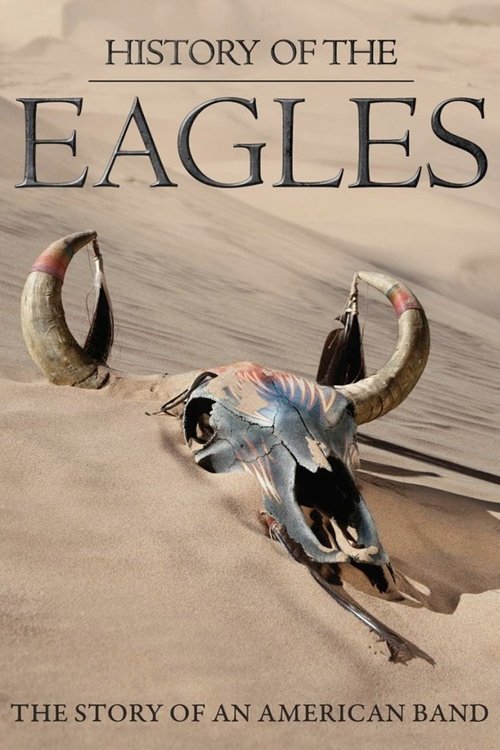
"History of the Eagles" is a documentary that chronicles the rise, fall, and resurgence of the iconic rock band, the Eagles. The film is divided into two parts, each detailing different phases of the band's journey.
The first part begins with the formation of the Eagles in the early 1970s. It introduces key members: Glenn Frey, Don Henley, Bernie Leadon, and Randy Meisner. The narrative highlights their individual backgrounds, showcasing Frey and Henley's early work as songwriters in Los Angeles, where they collaborated with other musicians, including Linda Ronstadt. The film captures the excitement of the burgeoning music scene, with vivid imagery of the era's vibrant nightlife and the creative energy that surrounded them.
As the Eagles come together, they begin to craft their unique sound, blending rock, country, and folk influences. The documentary features interviews with band members, who reflect on their initial struggles and the chemistry that developed among them. The band's self-titled debut album is released in 1972, and it includes hits like "Take It Easy," which becomes a defining moment for the group. The film illustrates the band's rise to fame, showcasing their performances and the growing popularity of their music.
The narrative progresses to the release of their second album, "Desperado," in 1973. The film delves into the themes of the album, which reflect the band's experiences and the Western imagery that permeates their work. It highlights the tension within the band as they grapple with their newfound success and the pressures of the music industry. The documentary captures the emotional highs and lows, including the personal struggles of the band members, particularly Randy Meisner, who faces challenges with anxiety and self-doubt.
As the Eagles continue to gain traction, they release "On the Border" in 1974, which features the hit "Already Gone." The film details the band's decision to bring in guitarist Joe Walsh, whose rock edge adds a new dimension to their sound. This period is marked by a sense of camaraderie and creativity, but also by increasing tensions as the band members begin to clash over artistic direction and personal issues.
The documentary then shifts to the release of "One of These Nights" in 1975, which solidifies the Eagles' status as a leading band in rock music. The film showcases their elaborate live performances and the growing demands of fame. However, the internal conflicts escalate, leading to a pivotal moment when Bernie Leadon decides to leave the band, feeling overwhelmed by the pressures and the changing dynamics.
With Leadon's departure, the Eagles release "Hotel California" in 1976, which becomes one of their most iconic albums. The film captures the creative process behind the album, including the writing of the title track, which reflects themes of excess and disillusionment. The documentary features interviews with the band members discussing the darker side of fame and the toll it takes on their relationships. The album's success brings both acclaim and further strain within the group.
As the Eagles tour in support of "Hotel California," the tensions reach a breaking point. The film depicts the infamous 1977 tour, where personal conflicts and substance abuse issues come to the forefront. The emotional strain culminates in a dramatic confrontation between Frey and Henley, leading to a temporary split in the band. The documentary captures the raw emotions of this period, highlighting the sense of loss and uncertainty among the members.
The second part of the documentary begins with the aftermath of the breakup. The film explores the solo careers of Frey and Henley, showcasing their individual successes and the challenges they face outside of the band. It highlights Henley's hit singles and Frey's work on soundtracks, illustrating their desire to carve out their own identities while still feeling the pull of their shared history.
In the late 1980s, the Eagles reunite for the "Hell Freezes Over" concert, which marks a significant moment in their history. The film captures the excitement and anticipation surrounding the reunion, as well as the underlying tensions that still exist. The concert features a mix of classic hits and new material, and the band members reflect on their journey, acknowledging the challenges they have overcome.
The documentary concludes with the Eagles' continued success in the 1990s and beyond, including their induction into the Rock and Roll Hall of Fame. The film emphasizes the enduring legacy of the band, showcasing their influence on music and culture. It ends on a note of reconciliation, with the band members expressing their appreciation for one another and the bond they share, despite the tumultuous history they have navigated together.
🔥 Trending TV Shows Now
Browse All TV Shows →






What is the ending?
The ending of "History of the Eagles" sees the band reflecting on their tumultuous journey, culminating in their reunion and performance at the 2013 Grammy Awards. The documentary closes with a sense of closure and reconciliation among the band members, particularly between Glenn Frey and Don Henley, as they acknowledge their shared history and the impact of their music.
In a more detailed narrative, the final scenes of "History of the Eagles" unfold with a poignant sense of nostalgia and reflection. The documentary transitions into the present day, where the surviving members of the Eagles, Glenn Frey, Don Henley, Joe Walsh, and Timothy B. Schmit, prepare for their performance at the 2013 Grammy Awards. The atmosphere is charged with anticipation, as the band members gather backstage, exchanging glances that convey both excitement and the weight of their shared past.
As they step onto the stage, the audience erupts in applause, a testament to the band's enduring legacy. The camera captures the expressions on their faces--Frey's confident smile, Henley's focused demeanor, Walsh's playful energy, and Schmit's calm presence. Each member embodies a different aspect of the band's history, reflecting their individual journeys and the collective experiences that have shaped them.
The performance itself is a powerful moment, as they launch into their classic hits, the music resonating with the audience and evoking memories of their earlier days. The visuals shift between the band on stage and clips from their past performances, creating a tapestry of their evolution as musicians and as friends. The harmonies blend seamlessly, showcasing their vocal prowess and the chemistry that has always been a hallmark of the Eagles.
As the final notes fade, the band members share a moment of camaraderie, exchanging smiles and nods that signify their reconciliation after years of conflict and personal struggles. The documentary intersperses these scenes with interviews, where Frey and Henley reflect on their journey, acknowledging the challenges they faced, including the tensions that arose during their peak years. They express gratitude for the music they created together and the bond that ultimately brought them back to the stage.
The closing moments of the documentary emphasize the theme of unity and the power of music to heal. The camera lingers on the band as they take their final bow, the audience's applause echoing in the background. Each member stands together, a symbol of their resilience and the enduring impact of their artistry. The screen fades to black, leaving viewers with a sense of closure, as the legacy of the Eagles continues to resonate through their timeless music.
In the aftermath of the performance, Glenn Frey, Don Henley, Joe Walsh, and Timothy B. Schmit each return to their lives, but the bond they share remains unbroken. Frey and Henley, in particular, have come to a deeper understanding of each other, having navigated the complexities of their relationship over the years. The documentary concludes with a message of hope and reconciliation, celebrating not only the music of the Eagles but also the personal journeys of its members, who have found their way back to each other through the power of their shared history.
Is there a post-credit scene?
The documentary "History of the Eagles," produced in 2013, does not contain a post-credit scene. The film is structured as a two-part documentary that chronicles the rise, fall, and reunion of the iconic rock band, the Eagles. It features interviews with band members, archival footage, and insights into their creative process and personal struggles. The conclusion of the documentary wraps up the band's story without any additional scenes or content after the credits.
What were the key events that led to the breakup of the Eagles in the 1980s?
The documentary details the tensions that arose during the recording of their album 'Hotel California,' highlighting personal conflicts, substance abuse issues, and the pressures of fame. The internal strife culminated in a heated confrontation between Glenn Frey and Don Felder, which ultimately led to Felder's departure from the band.
How did the Eagles' sound evolve throughout their career?
The film explores the transition from their early country-rock roots to a more polished rock sound in albums like 'Hotel California.' It showcases how the band members experimented with different musical styles and influences, reflecting their personal growth and the changing music landscape.
What role did producer Glyn Johns play in shaping the Eagles' music?
Glyn Johns is portrayed as a pivotal figure in the Eagles' early success, helping to define their sound during the recording of their first albums. His production techniques and vision for the band are discussed, emphasizing how he captured their harmonies and laid-back style.
What were the personal struggles faced by Glenn Frey and Don Henley during their time with the Eagles?
The documentary delves into the personal challenges faced by Frey and Henley, including their battles with addiction and the pressures of maintaining their public personas. Their candid reflections reveal the emotional toll of fame and the impact it had on their relationships within the band.
How did the Eagles reconcile and reunite after their breakup?
The film recounts the events leading to their reunion in 1994, including the pivotal moment when they were invited to perform at the 'Hell Freezes Over' concert. It captures the emotional weight of their reunion, the nostalgia for their past, and the desire to create music together again despite previous conflicts.
Is this family friendly?
"History of the Eagles," produced in 2013, is a documentary that chronicles the rise and journey of the iconic rock band, the Eagles. While it primarily focuses on their music and career, there are several aspects that may be considered objectionable or upsetting for children or sensitive viewers.
-
Substance Use: The documentary discusses the band's experiences with drug and alcohol use, including candid interviews where members reflect on their struggles with addiction. This may not be suitable for younger audiences.
-
Personal Conflicts: There are accounts of interpersonal conflicts and tensions within the band, including arguments and disagreements that may depict emotional distress.
-
Divorce and Relationships: The documentary touches on personal relationships, including divorces and the impact of fame on family life, which could be sensitive topics for some viewers.
-
Profanity: There are instances of strong language used in interviews and discussions, which may not be appropriate for children.
-
Emotional Struggles: The band members share their emotional challenges, including feelings of loneliness and depression, which could be heavy themes for younger viewers.
Overall, while the documentary is a celebration of the Eagles' music and legacy, it does contain elements that may not be suitable for all audiences, particularly children.