
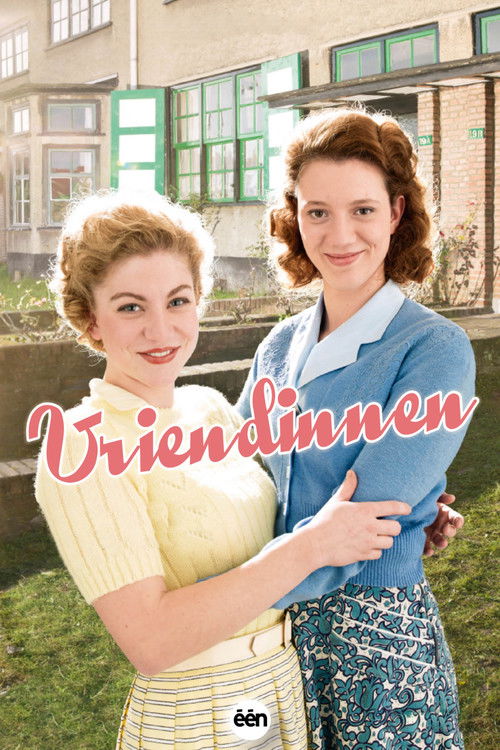













Popular
What challenges does the character Eva face in her personal life throughout the series?
How does the friendship between the main characters evolve over the course of the series?
What role does Kim's career play in her character development?
How does the series portray the theme of motherhood through the character of Laura?
What significant events lead to the fallout between Eva and her husband?
Should I watch it?
Ask Your Own Question

What is the plot?
In the opening scenes of "Vriendinnen," we are introduced to the main characters: a close-knit group of friends living in the Netherlands. The story begins with a vibrant scene at a café where the friends, including the ambitious and career-driven Laura, the free-spirited and artistic Iris, and the practical and nurturing Marieke, gather to discuss their lives and aspirations. The atmosphere is filled with laughter and camaraderie, but underlying tensions begin to surface as each woman reveals her personal struggles.
As the narrative unfolds, Laura faces a significant career challenge when she is passed over for a promotion at work. This setback deeply affects her self-esteem and leads her to question her professional choices. Meanwhile, Iris is dealing with a tumultuous relationship with her boyfriend, who is increasingly unsupportive of her artistic pursuits. This conflict drives Iris to seek solace in her friends, who encourage her to stand up for herself and pursue her passion.
Marieke, on the other hand, is grappling with the pressures of motherhood and her own identity. She feels overwhelmed by her responsibilities and begins to feel disconnected from her friends. This emotional distance creates a rift in the group, as Marieke struggles to balance her family life with her desire for personal fulfillment. The friends rally around her, offering support and reminding her of her worth beyond being a mother.
As the story progresses, a pivotal moment occurs when Laura decides to confront her boss about the promotion. This confrontation is tense, filled with anxiety and determination. Laura articulates her value to the company, and her boldness earns her respect, leading to a potential new opportunity. This moment of empowerment inspires her friends, particularly Iris, who begins to reevaluate her own relationship.
In a dramatic twist, Iris discovers that her boyfriend has been unfaithful. Heartbroken, she confides in Laura and Marieke, who provide unwavering support. This betrayal forces Iris to confront her own worth and leads her to make the difficult decision to end the relationship. The emotional fallout is palpable, as Iris experiences a mix of anger, sadness, and relief.
Meanwhile, Marieke's journey takes a significant turn when she attends a workshop that reignites her passion for art. This experience helps her reconnect with her identity outside of motherhood. Inspired, she begins to explore her creative side, leading to a newfound sense of purpose. Her friends celebrate this transformation, and the bond between them strengthens as they support each other's journeys.
As the climax approaches, the friends face a major crisis when a misunderstanding leads to a fallout between Laura and Marieke. Laura feels betrayed by Marieke's newfound independence, interpreting it as a rejection of their friendship. This conflict escalates into a heated argument, revealing deep-seated insecurities and fears. The emotional intensity of the scene highlights the fragility of their relationships.
In the aftermath of the argument, the friends take time apart to reflect on their individual paths. Laura grapples with her feelings of jealousy and inadequacy, while Marieke contemplates her choices and the impact on her friendships. Iris, caught in the middle, tries to mediate but ultimately realizes that each woman must confront her own issues.
The resolution comes when the friends reunite for a heartfelt conversation. They express their vulnerabilities and apologize for the misunderstandings. This cathartic moment allows them to reaffirm their commitment to one another, recognizing that their friendship is a source of strength. They celebrate their individual growth and the importance of supporting each other through life's challenges.
In the final scenes, the friends embark on a new chapter together, embracing their personal journeys while remaining connected. Laura takes on a new role at work, Iris finds fulfillment in her art, and Marieke balances her family life with her creative pursuits. The series concludes with a sense of hope and empowerment, as the women look forward to the future, united in their friendship.









What is the ending?
In the ending of "Vriendinnen," the four main characters, who have navigated through various personal struggles and conflicts, come to a resolution in their relationships and individual lives. Each character finds a sense of closure and a new beginning, leading to a hopeful future.
As the series concludes, we see the characters reflecting on their journeys, embracing their friendships, and making choices that signify growth and acceptance. The bonds they have formed are stronger than ever, and they are ready to face whatever comes next together.
The final scenes of "Vriendinnen" unfold with a palpable sense of resolution and emotional weight.
Scene 1: The sun sets over the city, casting a warm glow as the four friends--Sophie, Kim, Lotte, and Eva--gather at their favorite café. The atmosphere is bittersweet, filled with laughter and tears as they reminisce about their shared experiences. Each character's face reflects a mixture of joy and sadness, knowing that their lives are about to change.
Scene 2: Sophie, who has struggled with her identity and relationships throughout the series, takes a deep breath. She shares her decision to move to another city for a new job opportunity. Her voice trembles slightly, revealing her vulnerability. The others listen intently, their expressions a blend of pride and sorrow. They know this is a significant step for Sophie, who has often felt lost. As she speaks, her eyes shine with determination, signaling her readiness to embrace this new chapter.
Scene 3: Kim, who has faced her own battles with love and self-acceptance, stands up to toast to their friendship. Her words are heartfelt, and she emphasizes the importance of supporting one another, no matter the distance. The camera captures the glistening tears in her eyes, showcasing her emotional investment in the group. The friends raise their glasses, a symbol of their unbreakable bond.
Scene 4: Lotte, who has been on a journey of self-discovery, reveals her plans to pursue her passion for art more seriously. She shares her excitement about an upcoming exhibition, her face lighting up with enthusiasm. The friends cheer her on, their encouragement evident in their smiles. Lotte's transformation is palpable; she has grown from a hesitant artist to someone ready to embrace her talent fully.
Scene 5: Eva, who has dealt with the complexities of family and personal relationships, expresses her commitment to rebuilding her relationship with her estranged sister. Her voice is steady, filled with resolve. The friends nod in understanding, recognizing the courage it takes to confront past issues. Eva's journey has been one of healing, and her decision signifies a new beginning for her family ties.
Scene 6: As the evening progresses, the friends share one last group hug, a moment filled with warmth and love. The camera pans out, capturing the café's cozy ambiance as they laugh and cry together. The scene is a testament to their enduring friendship, highlighting the strength they draw from one another.
Scene 7: The final shot shows each character walking away from the café, their silhouettes framed against the twilight sky. They part ways, but the sense of hope and connection lingers in the air. Each character is stepping into their future, equipped with the lessons learned and the support of their friends.
In the end, "Vriendinnen" encapsulates the essence of friendship, growth, and the courage to embrace change. Each character's fate is intertwined with their personal journeys, leaving viewers with a sense of optimism for what lies ahead.
Is there a post-credit scene?
The TV show "Vriendinnen," produced in 2014, does not feature a post-credit scene. The series focuses on the lives of four friends navigating the complexities of relationships, personal struggles, and the challenges of adulthood. Each episode concludes with a resolution to the storylines presented, but there are no additional scenes or content after the credits roll. The emphasis remains on the character development and emotional arcs throughout the series, rather than on teasing future events or providing extra content in a post-credit format.
What challenges does the character Eva face in her personal life throughout the series?
Eva, one of the central characters, grapples with the complexities of her marriage and her role as a mother. She faces the emotional turmoil of balancing her ambitions with family responsibilities, leading to moments of self-doubt and conflict with her husband, who struggles to understand her aspirations. Her journey is marked by a quest for identity and fulfillment, often leading her to confront her past and the choices she has made.
How does the friendship between the main characters evolve over the course of the series?
The friendship among the main characters--Eva, Kim, and others--undergoes significant transformations as they navigate personal crises and life changes. Initially, their bond is strong, characterized by support and shared experiences. However, as secrets are revealed and individual struggles intensify, tensions arise, leading to misunderstandings and conflicts that test their loyalty and commitment to one another. The evolution of their friendship is a central theme, showcasing both the fragility and resilience of their connections.
What role does Kim's career play in her character development?
Kim's career as a successful professional is a driving force in her character development. Her ambition often clashes with her personal life, leading to moments of introspection and conflict. As she faces challenges in her workplace, including competition and ethical dilemmas, Kim's journey reflects her struggle to maintain her integrity while pursuing success. This tension shapes her relationships with her friends and family, revealing her vulnerabilities and the sacrifices she must make.
How does the series portray the theme of motherhood through the character of Laura?
Laura's character embodies the complexities of motherhood, showcasing both the joys and challenges that come with raising children. Throughout the series, she experiences moments of doubt and frustration, particularly as she navigates her children's needs and her own aspirations. The portrayal of her struggles with parenting, including balancing work and family life, highlights the emotional weight of her responsibilities and the societal expectations placed on mothers, making her journey relatable and poignant.
What significant events lead to the fallout between Eva and her husband?
The fallout between Eva and her husband is precipitated by a series of significant events that unravel their relationship. Tensions rise as Eva pursues her career ambitions, leading to feelings of neglect and resentment from her husband. A pivotal moment occurs when a secret from Eva's past resurfaces, causing a rift in their trust. This culminates in heated arguments and emotional confrontations, forcing both characters to confront their feelings and the reality of their marriage, ultimately leading to a critical turning point in their relationship.
Is this family friendly?
"Vriendinnen," produced in 2014, is a Dutch television series that explores the lives of four women navigating friendship, love, and personal challenges. While the show delves into relatable themes, it does contain some elements that may not be suitable for younger audiences or sensitive viewers.
-
Relationship Struggles: The series portrays complex romantic relationships, including breakups and infidelity, which may be difficult for children to understand or process.
-
Emotional Turmoil: Characters experience significant emotional distress, including anxiety, jealousy, and heartbreak, which could be upsetting for sensitive viewers.
-
Conflict and Arguments: There are scenes of conflict between friends and family members that may include raised voices and intense discussions, potentially creating a tense atmosphere.
-
Personal Challenges: The characters face various personal issues, such as career struggles and health problems, which may be heavy themes for younger audiences.
-
Mature Themes: The show touches on topics like betrayal and the complexities of adult friendships, which may not resonate with children or could lead to confusion.
Overall, while "Vriendinnen" offers valuable insights into friendship and personal growth, its mature themes and emotional depth may make it more suitable for older teens and adults rather than a family-friendly viewing experience.