















Popular
What challenges does Catherine face in her quest for power during season 3?
How does Catherine's relationship with Grigory Orlov evolve in this season?
What role do the impostors play in Catherine's reign?
How does the character of Paul develop throughout season 3?
What are the key political alliances formed in season 3, and how do they affect Catherine?
Should I watch it?
Ask Your Own Question

What is the plot?
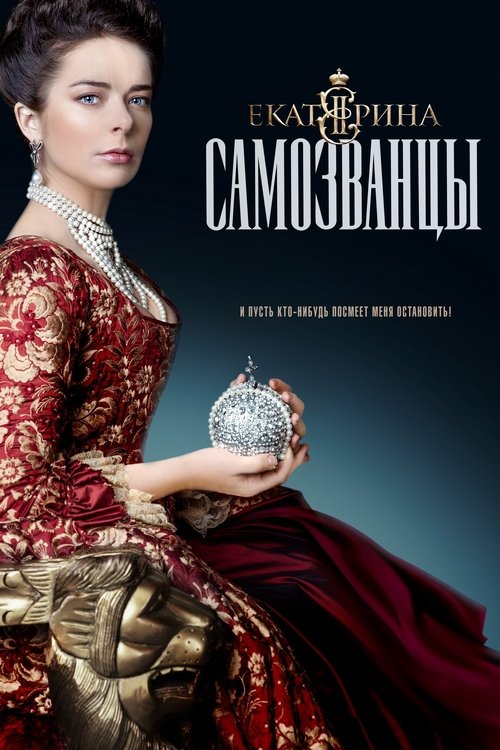
In the opening of Season 3, titled "Catherine, Impostors," Catherine the Great is firmly established on the throne of Russia, but her reign is threatened by various factions. The season begins with Catherine dealing with the aftermath of her recent political maneuvers, which have left her vulnerable to both internal and external enemies. She is acutely aware of the precariousness of her position and the need to consolidate her power.
Catherine's relationship with her son, Paul, becomes increasingly strained as he grows more resentful of her authority. Paul feels overshadowed and manipulated, leading to a series of confrontations where he expresses his desire for independence. Catherine, torn between her maternal instincts and her political ambitions, struggles to maintain a balance between her role as a mother and a ruler.
As the political landscape shifts, Catherine faces a new threat in the form of impostors claiming to be her. These impostors, motivated by their own ambitions, seek to undermine her authority and create chaos within the court. One particularly cunning impostor, a woman named Anna, gains traction among the nobility, posing a significant challenge to Catherine's legitimacy. Catherine's advisors urge her to take decisive action against these threats, but she is hesitant, fearing that any overt move could backfire.
In a pivotal scene, Catherine decides to confront Anna directly. She invites her to a lavish court event, where the two women engage in a battle of wits. The tension is palpable as Catherine subtly undermines Anna's claims while maintaining her composure. The court watches closely, and Catherine's ability to navigate this confrontation showcases her political acumen. However, Anna's presence continues to sow discord among the nobles, and Catherine realizes that she must act swiftly to eliminate this threat.
Meanwhile, Catherine's relationship with Grigory Potemkin deepens. Their bond evolves from a political alliance to a more personal connection, filled with passion and mutual respect. Potemkin becomes one of Catherine's most trusted advisors, helping her strategize against the impostors and navigate the treacherous waters of court politics. Their interactions are charged with emotion, revealing both vulnerability and strength as they face the challenges ahead.
As the season progresses, Catherine's paranoia grows. She begins to suspect that some of her closest allies may be in league with the impostors. This suspicion leads her to conduct secret investigations, employing spies to gather information on her court. The atmosphere becomes increasingly tense as trust erodes among her inner circle. Catherine's internal conflict intensifies as she grapples with the isolation that comes with power.
In a dramatic twist, one of Catherine's spies uncovers a plot involving Paul, who has been secretly meeting with Anna and other conspirators. This revelation shatters Catherine, as she realizes that her own son is part of the conspiracy against her. In a heart-wrenching confrontation, Catherine confronts Paul, expressing her disappointment and fear for his future. Paul, feeling cornered, lashes out, accusing Catherine of being a tyrant and denying him the chance to rule.
Determined to protect her throne, Catherine devises a plan to expose the impostors publicly. She organizes a grand event, inviting the nobility and the public to witness a demonstration of her power. During this event, she reveals Anna's true identity and the conspiracy against her, turning the court's opinion in her favor. The crowd is captivated as Catherine delivers a powerful speech, asserting her legitimacy and strength as the Empress of Russia.
However, the victory is bittersweet. The fallout from the confrontation with Paul leaves a lasting rift between mother and son. Paul, feeling betrayed, vows to reclaim his position and seeks allies among the discontented nobles. Catherine, now more isolated than ever, must prepare for the inevitable conflict with her own flesh and blood.
As the season nears its climax, Catherine faces a series of challenges that test her resolve. The impostors continue to emerge, each more dangerous than the last, and Catherine must navigate a web of deceit and betrayal. Her relationship with Potemkin becomes strained as they disagree on how to handle the growing threats. Potemkin advocates for a more aggressive approach, while Catherine remains cautious, fearing the repercussions of a heavy-handed response.
In the final episodes, the tension reaches a boiling point. Paul, having gathered support from disillusioned nobles, stages a coup against Catherine. The palace is thrown into chaos as loyalists clash with rebels. Catherine, determined to protect her reign, rallies her supporters and prepares for a confrontation with her son. The emotional stakes are high as mother and son face off, each fighting for their vision of Russia's future.
The season concludes with a dramatic showdown between Catherine and Paul. In a heart-wrenching moment, Catherine must make a choice between her duty as a ruler and her love for her son. The outcome of this confrontation will shape the future of the Russian Empire and redefine Catherine's legacy as a ruler. The season ends on a cliffhanger, leaving viewers eager to see how the conflict will resolve and what it means for Catherine's reign.








What is the ending?
In the ending of "Ekaterina," season 3, titled "Catherine, Impostors," Catherine faces the consequences of her decisions as she navigates the treacherous waters of power and betrayal. The season culminates in a dramatic confrontation with her enemies, leading to a significant shift in her reign. Key characters experience pivotal moments that define their fates, with some finding redemption while others meet tragic ends.
As the final episodes unfold, Catherine's determination to solidify her power leads her to confront those who threaten her rule. The tension escalates as she grapples with the implications of her choices, particularly regarding her relationships with her allies and adversaries. The season closes with a sense of uncertainty about Catherine's future, leaving viewers to ponder the complexities of her character and the nature of power.
The final scenes of "Ekaterina," season 3, begin with a palpable tension in the air of the palace. Catherine, now fully aware of the precariousness of her position, stands in her private chambers, her expression a mix of resolve and anxiety. She has just received news of a conspiracy brewing against her, led by those who once claimed to be her allies. The camera lingers on her face, capturing the flicker of fear that quickly transforms into steely determination.
In the next scene, we see Catherine convening a meeting with her closest advisors. The opulent room is filled with the flickering light of candles, casting shadows that dance ominously on the walls. Catherine's voice is firm as she outlines her plan to root out the traitors. Her advisors exchange glances, some filled with admiration, others with doubt. The stakes are high, and the atmosphere is thick with tension as Catherine emphasizes the need for loyalty and strength.
As the plot unfolds, we witness a series of betrayals and alliances forming. One of her most trusted confidants, who has been secretly working against her, is revealed in a dramatic twist. The scene shifts to a dimly lit corridor where Catherine confronts this traitor. The confrontation is charged with emotion; Catherine's voice trembles with a mix of anger and heartbreak as she demands to know why. The traitor, with a cold demeanor, reveals their motivations, leaving Catherine feeling both betrayed and isolated.
In a parallel storyline, we see the fate of her former lover, who has been caught in the crossfire of political machinations. He is imprisoned, and the scene is heart-wrenching as Catherine visits him in his cell. The dim light casts shadows on their faces, highlighting the emotional distance that has grown between them. Catherine's eyes glisten with unshed tears as she promises to find a way to free him, but the weight of her responsibilities looms large.
The climax of the season arrives during a grand ball, where Catherine must present a façade of control and grace. The opulence of the event contrasts sharply with the turmoil brewing beneath the surface. As she dances with influential nobles, her mind races with thoughts of the impending betrayal. The camera captures her internal struggle, the way her smile falters for just a moment before she regains her composure.
In the final act, the conspirators make their move, and chaos erupts in the palace. The scene is frenetic, with guards rushing to contain the uprising. Catherine, in a moment of fierce clarity, takes charge, rallying her loyal supporters. The camera follows her as she navigates through the chaos, her expression a mix of fearlessness and desperation. She confronts the leader of the conspirators in a dramatic showdown, their words sharp and cutting, echoing the stakes of their conflict.
As the dust settles, the aftermath reveals the fates of the main characters. Catherine stands victorious but at a great cost. The palace is scarred, and the weight of her decisions hangs heavily on her shoulders. Her former lover is freed, but their relationship is irrevocably changed, marked by the trials they have endured. The final scene captures Catherine alone in her chamber, the weight of her crown feeling heavier than ever. She gazes out of the window, the light of dawn breaking over the horizon, symbolizing both hope and the uncertainty of her reign.
The season concludes with a lingering sense of ambiguity about Catherine's future. She has triumphed over her enemies, but the emotional toll of her journey leaves her questioning the very nature of power and loyalty. The camera fades to black, leaving viewers to reflect on the complexities of her character and the intricate web of relationships that define her reign.
Is there a post-credit scene?
In the third season of "Ekaterina," titled "Catherine, Impostors," there is no post-credit scene. The season concludes with a focus on the intricate political maneuvers and personal struggles of Catherine the Great as she navigates her reign and the challenges posed by various impostors and rivals. The final moments of the season encapsulate the tension and resolve of Catherine's character, leaving viewers with a sense of closure regarding the season's narrative arcs without any additional scenes after the credits.
What challenges does Catherine face in her quest for power during season 3?
In season 3, Catherine faces numerous challenges as she consolidates her power. She must navigate the treacherous waters of court politics, dealing with ambitious nobles who seek to undermine her authority. The threat of betrayal looms large, particularly from those who are discontent with her rule. Catherine's emotional state fluctuates between determination and vulnerability as she grapples with the isolation that comes with her position.
How does Catherine's relationship with Grigory Orlov evolve in this season?
Catherine's relationship with Grigory Orlov deepens in season 3, marked by both passion and tension. Initially, their bond is one of mutual attraction and political alliance, but as the season progresses, personal conflicts arise. Grigory's ambitions and Catherine's need for loyalty create friction, leading to moments of intense emotional confrontation. Catherine's internal struggle between love and the demands of her role as Empress is palpable.
What role do the impostors play in Catherine's reign?
The impostors in season 3 serve as a significant threat to Catherine's legitimacy as Empress. They emerge as figures claiming to be her deceased husband, Peter III, which creates chaos and uncertainty within the court. Catherine's reaction to these impostors reveals her insecurities and the lengths she will go to protect her power. The impostors challenge her authority and force her to confront her past, leading to a series of strategic moves to eliminate this threat.
How does the character of Paul develop throughout season 3?
Paul's character development in season 3 is marked by his struggle for identity and acceptance. As Catherine's son, he grapples with the expectations placed upon him and the shadow of his mother's powerful reign. His relationship with Catherine is complex, filled with both admiration and resentment. Paul seeks to carve out his own path, leading to moments of rebellion and a desire for independence that complicate his relationship with his mother.
What are the key political alliances formed in season 3, and how do they affect Catherine?
In season 3, Catherine forges several key political alliances that significantly impact her reign. These alliances are often fraught with tension, as she must balance her need for support with the risk of betrayal. The emotional stakes are high as Catherine navigates these relationships, often feeling isolated in her decisions. The shifting loyalties among her allies and enemies create a dynamic political landscape that challenges her leadership and forces her to adapt her strategies.
Is this family friendly?
"Ekaterina, Season 3: Catherine, Impostors" contains several elements that may not be suitable for children or sensitive viewers. Here are some potentially objectionable aspects:
-
Violence and Warfare: The series depicts battles and political intrigue, which may include scenes of violence, bloodshed, and the harsh realities of war.
-
Political Intrigue and Betrayal: Themes of betrayal, manipulation, and power struggles are prevalent, showcasing the darker side of human nature and ambition.
-
Romantic Relationships: There are complex romantic entanglements that may involve mature themes, including infidelity and emotional turmoil.
-
Death and Loss: Characters face significant loss, which can be emotionally intense and may include scenes of mourning or grief.
-
Mature Themes: The show explores themes of identity, deception, and the consequences of ambition, which may be difficult for younger viewers to fully understand.
These elements contribute to a narrative that is rich in historical drama but may not be appropriate for all audiences, particularly children.