



Popular
What key events highlight the relationship between music and fashion in the 1960s as depicted in the show?
How does the show portray the influence of iconic figures like David Bowie on British music and fashion?
What role does the London club scene play in shaping the music and fashion of the time?
How does the show depict the impact of the punk movement on British fashion?
What specific fashion trends are associated with the Britpop movement as shown in the series?
Should I watch it?
Ask Your Own Question

What is the plot?
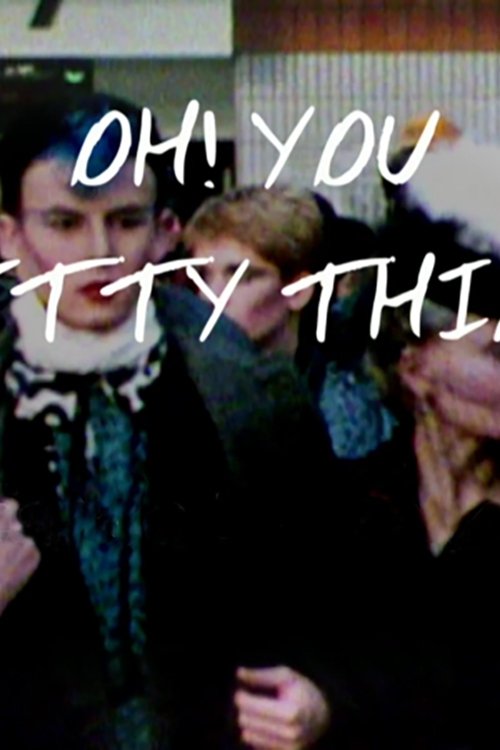
"Oh! You Pretty Things: The Story of British Music and Fashion" is a documentary that explores the intertwined evolution of British music and fashion from the 1960s to the 1970s. The narrative unfolds chronologically, highlighting key moments, influential figures, and cultural shifts.
The documentary opens with a vibrant montage of 1960s London, showcasing the bustling streets filled with young people, the rise of the mod culture, and the explosion of creativity in music and fashion. The scene is set against a backdrop of iconic music from bands like The Beatles and The Rolling Stones, establishing the era's cultural significance.
As the narrative progresses, the film introduces key figures such as David Bowie, who emerges as a pivotal character in the story. The documentary delves into Bowie's early career, highlighting his struggles and the eventual breakthrough with his alter ego, Ziggy Stardust. This transformation is depicted through a series of performances and interviews, illustrating Bowie's internal motivations to challenge societal norms and express individuality.
The film then shifts focus to the fashion scene, emphasizing the role of designers like Mary Quant and her influence on the mini skirt trend. The documentary showcases archival footage of fashion shows and street style, capturing the excitement and rebellion of youth culture. The emotional resonance of this period is palpable, as young people embrace new styles that reflect their desire for freedom and self-expression.
Next, the narrative explores the impact of the psychedelic movement on both music and fashion. The film features bands like Pink Floyd and their experimental sound, paralleled with the colorful, surreal fashion trends of the time. The visuals are striking, with swirling patterns and bold colors that embody the spirit of the era. Interviews with musicians and designers reveal their motivations to push boundaries and create a new aesthetic.
As the 1970s approach, the documentary highlights the emergence of punk rock, with bands like The Sex Pistols and The Clash taking center stage. The film captures the raw energy of punk music and its anti-establishment ethos. Key scenes depict the fashion associated with punk, including leather jackets, ripped jeans, and DIY aesthetics. The emotional intensity of this movement is conveyed through powerful performances and candid interviews with band members, who express their desire to disrupt the status quo.
The narrative continues to explore the intersection of music and fashion through the lens of various subcultures, including glam rock and new wave. The film features artists like T. Rex and Duran Duran, showcasing their flamboyant styles and the ways in which they influenced mainstream culture. The documentary captures the excitement of live performances, with audiences fully immersed in the experience.
As the story unfolds, the film also addresses the commercialization of music and fashion, highlighting the tension between artistic integrity and commercial success. Interviews with industry insiders reveal the challenges faced by artists as they navigate the evolving landscape of the music business. The emotional stakes are high, as many artists grapple with the pressures of fame and the desire to remain true to their artistic vision.
The documentary culminates in a reflection on the lasting impact of this vibrant era on contemporary music and fashion. The final scenes feature a montage of modern artists who draw inspiration from the past, illustrating the cyclical nature of cultural trends. The emotional weight of nostalgia is palpable, as the film pays tribute to the pioneers who shaped the landscape of British music and fashion.
Throughout the documentary, the viewer is taken on a journey through a transformative period in British history, marked by creativity, rebellion, and a relentless pursuit of self-expression. The film concludes with a sense of celebration, honoring the legacy of those who dared to challenge conventions and redefine the cultural narrative.
🔥 Trending TV Shows Now
Browse All TV Shows →








What is the ending?
The ending of "Oh! You Pretty Things: The Story of British Music and Fashion" culminates in a celebration of the intertwined legacies of music and fashion in Britain. The documentary wraps up by reflecting on the lasting impact of the cultural movements that defined the 1960s and 1970s, showcasing how these influences continue to resonate in contemporary society. Key figures from the era, including musicians and fashion designers, are highlighted, emphasizing their contributions and the evolution of their artistry.
As the documentary draws to a close, it revisits iconic moments and figures, illustrating the vibrant tapestry of British culture. The final scenes evoke a sense of nostalgia and pride, leaving viewers with a deeper appreciation for the creative spirit that shaped a generation.
In a more detailed narrative, the ending unfolds as follows:
The final segment of "Oh! You Pretty Things" begins with a montage of iconic performances from legendary British musicians, their faces illuminated by stage lights, the energy of the crowd palpable. The camera pans over the ecstatic audience, capturing the joy and liberation that music brought to a generation. The music swells, and the visuals shift to the fashion of the time, showcasing the bold styles that defined the era. Bright colors, daring cuts, and innovative designs flash across the screen, each outfit telling a story of rebellion and self-expression.
As the documentary progresses, it intersperses interviews with key figures from the music and fashion scenes. A renowned designer reflects on the symbiotic relationship between the two worlds, explaining how musicians often became the muses for fashion trends, while designers provided the visual identity that complemented the music. The designer's eyes light up with passion as they recount the excitement of dressing rock stars, their voice filled with nostalgia for a time when creativity knew no bounds.
The narrative then shifts to a series of clips showcasing the evolution of British music festivals, from the early days of the Isle of Wight Festival to the iconic Glastonbury. The scenes are filled with vibrant crowds, the atmosphere electric with anticipation. The camera captures the essence of freedom and community, as people from all walks of life come together to celebrate their shared love for music. The visuals are accompanied by a voiceover that speaks to the transformative power of these gatherings, highlighting how they became a platform for social change and artistic expression.
As the documentary nears its conclusion, it revisits the personal stories of several key figures. A once-revered rock star, now older, reflects on their journey with a mix of pride and melancholy. They speak candidly about the highs and lows of fame, the struggles with addiction, and the eventual return to their roots in music. Their voice trembles with emotion as they express gratitude for the support of their fans and the enduring legacy of their work.
The final scenes focus on a fashion designer who has remained influential over the decades. They are shown in their studio, surrounded by sketches and fabric swatches, still brimming with creativity. The designer discusses the importance of innovation and staying true to one's artistic vision, emphasizing that fashion is not just about trends but about storytelling. Their passion is evident as they describe the thrill of seeing their designs worn by a new generation of artists.
The documentary concludes with a powerful montage of images from both the music and fashion worlds, interspersed with quotes from the featured artists and designers. The screen fills with vibrant colors and dynamic movements, encapsulating the spirit of an era that continues to inspire. The final shot lingers on a young musician, clad in a modern interpretation of 60s fashion, strumming a guitar, symbolizing the ongoing legacy of creativity and the cyclical nature of cultural influence.
As the credits roll, viewers are left with a sense of hope and inspiration, a reminder that the stories of music and fashion are far from over, and that the spirit of innovation and self-expression will continue to thrive in future generations.
Is there a post-credit scene?
Oh! You Pretty Things: The Story of British Music and Fashion does not feature a post-credit scene. The documentary concludes with a reflective summary of the intertwined evolution of British music and fashion, leaving viewers with a sense of nostalgia and appreciation for the cultural movements discussed throughout the film. The final moments encapsulate the vibrant spirit of the eras covered, emphasizing the lasting impact of these artistic expressions on contemporary culture.
What key events highlight the relationship between music and fashion in the 1960s as depicted in the show?
The show illustrates the vibrant intersection of music and fashion through key events such as the rise of the Mod movement, where bands like The Who and The Kinks influenced not only musical styles but also fashion trends with their sharp suits and iconic hairstyles. The episode detailing the launch of the boutique 'Biba' showcases how fashion designers collaborated with musicians, creating a visual culture that defined an era.
How does the show portray the influence of iconic figures like David Bowie on British music and fashion?
David Bowie is depicted as a transformative figure whose alter ego, Ziggy Stardust, revolutionized both music and fashion. The show captures Bowie's flamboyant costumes and makeup, emphasizing his role in challenging gender norms and inspiring a generation of artists and fans. His performances are shown as theatrical spectacles that blurred the lines between music and visual art.
What role does the London club scene play in shaping the music and fashion of the time?
The London club scene is portrayed as a crucible for creativity, where emerging artists and fashion designers mingled. Venues like the Marquee Club and the Speakeasy are highlighted, showcasing live performances that set trends. The show emphasizes the electric atmosphere of these clubs, where the latest fashion statements were made on stage and in the audience, fostering a sense of community and rebellion.
How does the show depict the impact of the punk movement on British fashion?
The punk movement is depicted as a radical shift in both music and fashion, characterized by its DIY ethos and anti-establishment attitude. The show highlights key figures like Vivienne Westwood and Malcolm McLaren, who used fashion as a form of protest. Iconic imagery of ripped clothing, safety pins, and bold hairstyles is presented, illustrating how punk challenged societal norms and influenced mainstream culture.
What specific fashion trends are associated with the Britpop movement as shown in the series?
The Britpop movement is associated with a revival of 1960s styles, as depicted in the show through bands like Oasis and Blur. The series showcases the return of casual, yet stylish clothing, such as parkas, denim, and tailored suits, reflecting a sense of nostalgia. The emotional connection of fans to these trends is emphasized, as they sought to embody the spirit of the music through their fashion choices.
Is this family friendly?
"Oh! You Pretty Things: The Story of British Music and Fashion" explores the vibrant and often tumultuous relationship between music and fashion in Britain, particularly during the 1960s and 1970s. While the documentary is rich in cultural history and artistic expression, it does touch on several themes that may be considered objectionable or upsetting for children or sensitive viewers.
-
Substance Use: The documentary discusses the prevalence of drug use in the music scene during this era, including references to the impact of drugs on artists and their lives.
-
Sexual Themes: There are discussions and depictions of the sexual liberation movement, which may include references to promiscuity and the changing attitudes towards sexuality during the time.
-
Violence and Turmoil: The documentary touches on the social upheaval of the period, including protests and riots, which may be distressing for some viewers.
-
Mental Health Struggles: Some artists' struggles with mental health and the pressures of fame are explored, which could be sensitive topics for certain audiences.
-
Tragic Outcomes: The lives of some musicians ended tragically, and their stories may evoke feelings of sadness or discomfort.
Overall, while the documentary is an insightful look into British music and fashion, it contains elements that may not be suitable for all viewers, particularly younger audiences or those sensitive to the aforementioned themes.