




Popular
What role does humor play in the interactions between the characters?
What significant events lead to the climax of the series involving the main characters?
What are the main conflicts faced by the character of João in the series?
How does the character of Ana influence João's decisions throughout the series?
How does the character of Ricardo represent the opposing viewpoint to João's beliefs?
Should I watch it?
Ask Your Own Question

What is the plot?
"Politicamente Incorreto" begins with a group of friends who are disillusioned with the political correctness that has permeated their society. The main character, a comedian named João, struggles to find his voice in a world that seems increasingly sensitive to humor. He feels stifled by the expectations of his audience and the fear of backlash for his jokes.
In the opening scenes, João performs at a small comedy club, where he attempts to deliver a set filled with edgy humor. The audience's mixed reactions highlight the tension between his desire to push boundaries and the fear of offending someone. After the show, he discusses his frustrations with his friends, including his best friend, Pedro, who encourages him to embrace his comedic style despite the risks.
As the story progresses, João decides to take a bold step by organizing a comedy festival that celebrates politically incorrect humor. He envisions it as a platform for comedians to express themselves freely without the constraints of political correctness. He recruits several controversial comedians, each with their own unique styles and perspectives, to participate in the festival.
The planning of the festival is met with resistance from various community groups who believe that the event promotes hate speech and intolerance. João faces mounting pressure as protests against the festival begin to emerge. He grapples with his own beliefs about freedom of speech versus the potential harm that some jokes can cause. This internal conflict deepens as he receives threats and negative media coverage.
Despite the backlash, João remains determined to go through with the festival. He holds a meeting with the participating comedians to discuss their material and the potential fallout. Some comedians express concern about the risks involved, while others are eager to push the envelope. João reassures them that their voices matter and that the festival is a chance to reclaim humor.
On the day of the festival, tensions are high. The venue is surrounded by protesters, and security is tight. João opens the event with a heartfelt speech about the importance of humor in society and the need to challenge societal norms. The first few acts perform to a mix of laughter and jeers, showcasing a range of politically incorrect jokes that provoke strong reactions from the audience.
As the festival progresses, a particularly controversial comedian takes the stage and delivers a set that crosses several lines. The audience is divided, with some laughing uproariously while others are visibly offended. This moment becomes a turning point, as it ignites a heated debate among the attendees about the limits of comedy and the responsibility of comedians.
Following this performance, a group of protesters storms the stage, demanding that the festival be shut down. Chaos ensues as security tries to manage the situation. João, caught in the middle, attempts to calm both the audience and the protesters, advocating for dialogue rather than confrontation. His emotional plea resonates with some, but others remain adamant in their opposition.
In the aftermath of the protest, the festival continues, but the atmosphere has shifted. João and his friends reflect on the events, realizing that the festival has sparked a larger conversation about freedom of expression and the impact of humor. They discuss the importance of understanding different perspectives and the potential consequences of their words.
The festival concludes with a final act that encapsulates the spirit of the event. The comedian delivers a poignant set that balances humor with a message about empathy and understanding. The audience responds with a mix of laughter and introspection, signaling a shift in their perceptions.
In the closing scenes, João and his friends gather to discuss the festival's impact. They acknowledge the challenges they faced but also celebrate the conversations that emerged from the event. João feels a renewed sense of purpose as a comedian, understanding that while humor can be provocative, it also has the power to unite and inspire change. The series ends on a hopeful note, with João contemplating his next steps in the world of comedy, ready to continue pushing boundaries while being mindful of the complexities of his craft.








What is the ending?
In the ending of "Politicamente Incorreto," the main characters confront the consequences of their actions throughout the series. The culmination of their conflicts leads to a series of revelations and resolutions that shape their futures.
As the final episode unfolds, we see the characters grappling with their choices. The protagonist, who has been navigating the complexities of political correctness and personal beliefs, faces a pivotal moment that forces them to reevaluate their stance. The tension builds as they engage in a heated debate with their peers, revealing deep-seated fears and desires.
In the closing scenes, the characters come together for a final confrontation that encapsulates the series' themes. They each express their views, leading to a cathartic release of emotions. The protagonist ultimately makes a choice that signifies growth and understanding, while the others reflect on their journeys, acknowledging the impact of their decisions.
The series concludes with a sense of ambiguity, leaving the audience to ponder the implications of the characters' actions and the broader societal issues they represent.
As the final episode of "Politicamente Incorreto" begins, the camera pans over a dimly lit room filled with tension. The main characters, each representing different facets of the political spectrum, gather for a crucial meeting. The atmosphere is thick with anticipation, as they know this discussion could change everything.
The protagonist, visibly anxious yet determined, takes a deep breath before addressing the group. Their voice trembles slightly, revealing the internal conflict they have been wrestling with throughout the series. They express their frustrations about the constraints of political correctness, sharing personal anecdotes that resonate with the others. The room is silent, each character reflecting on their own experiences and beliefs.
As the debate intensifies, the camera shifts to close-ups of the characters' faces, capturing their emotional states--anger, confusion, and vulnerability. One character, who has often been the voice of reason, challenges the protagonist, pushing back against their views. This confrontation ignites a passionate exchange, with each character revealing their motivations and fears. The stakes are high, and the audience can feel the weight of their words.
In a pivotal moment, the protagonist stands firm, articulating a vision for a more open dialogue that embraces differing opinions without resorting to hostility. This declaration is met with mixed reactions; some characters nod in agreement, while others remain skeptical. The tension in the room is palpable, as the characters grapple with the implications of this new perspective.
As the meeting draws to a close, the characters begin to share their personal resolutions. One character, who has struggled with their identity throughout the series, finally embraces their true self, shedding the fear of judgment. Another character, who has been a staunch critic of the protagonist, admits to their own biases and expresses a desire to learn and grow.
The final scene shifts to a montage of the characters moving forward in their lives. The protagonist is seen engaging in community discussions, advocating for open dialogue and understanding. The camera captures moments of connection and empathy among the characters, suggesting a newfound respect for one another despite their differences.
As the screen fades to black, the audience is left with a lingering sense of hope and uncertainty. The fate of each character is intertwined with the broader themes of the series, highlighting the complexities of human interaction in a politically charged environment. The ending serves as a poignant reminder of the importance of dialogue, understanding, and the courage to confront one's beliefs.
Is there a post-credit scene?
In the 2014 TV show "Politicamente Incorreto," there is no post-credit scene. The series concludes its episodes without any additional content after the credits roll. Each episode wraps up its narrative arcs and themes, focusing on the comedic and often controversial discussions that characterize the show. The absence of a post-credit scene allows the audience to reflect on the topics presented without any further distractions or additional material. The show maintains its focus on delivering sharp, politically charged humor throughout its runtime, leaving viewers with the main content and the intended impact of the episode.
What role does humor play in the interactions between the characters?
Humor is a critical element in 'Politicamente Incorreto', often used to diffuse tense situations and highlight the absurdities of political discourse. Characters frequently engage in witty banter, using sarcasm and irony to express their frustrations and beliefs, which adds depth to their relationships and underscores the show's satirical tone.
What significant events lead to the climax of the series involving the main characters?
The climax of 'Politicamente Incorreto' is marked by a series of escalating events, including a public debate that brings tensions to a head. Key characters confront their beliefs and each other, leading to a dramatic showdown that tests their relationships and convictions. This pivotal moment encapsulates the series' exploration of political and personal stakes, culminating in a resolution that reflects the characters' growth.
What are the main conflicts faced by the character of João in the series?
João, the protagonist of 'Politicamente Incorreto', navigates a series of personal and professional conflicts throughout the series. He struggles with the pressures of societal expectations and the challenges of maintaining his integrity in a politically charged environment. His relationships with friends and family are often strained as he grapples with his ideals versus the reality of his surroundings.
How does the character of Ana influence João's decisions throughout the series?
Ana serves as a moral compass for João, often challenging his views and pushing him to reconsider his choices. Her strong-willed nature and commitment to social justice create tension but also inspire João to take a stand on various issues. Their dynamic evolves, showcasing a blend of support and conflict that drives much of the narrative.
How does the character of Ricardo represent the opposing viewpoint to João's beliefs?
Ricardo embodies a more traditional and conservative perspective, often clashing with João's progressive ideals. His character serves as a foil, challenging João's convictions and forcing him to articulate and defend his beliefs. This dynamic creates a rich dialogue about differing ideologies and the complexities of political discourse.
Is this family friendly?
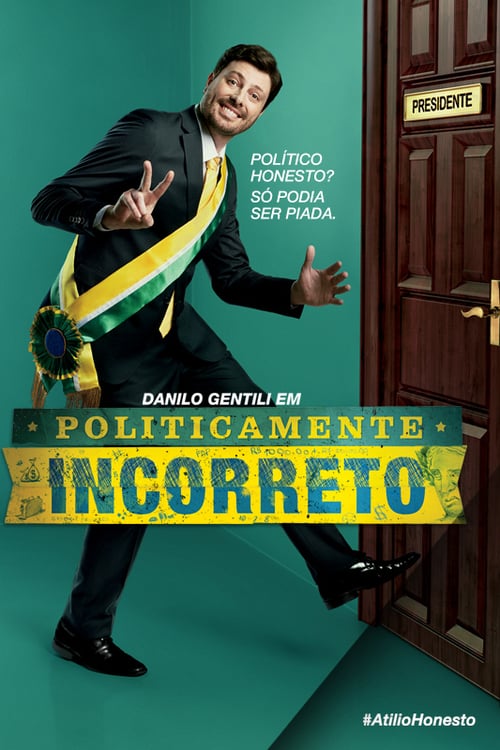
"Politicamente Incorreto," produced in 2014, is a Brazilian television show that delves into themes of political correctness and social issues through a comedic lens. While it aims to entertain, it does contain elements that may not be suitable for children or sensitive viewers.
-
Strong Language: The show features frequent use of profanity and crude humor, which may not be appropriate for younger audiences.
-
Adult Themes: There are discussions and depictions of controversial topics such as sexuality, politics, and social justice that may be challenging for children to understand.
-
Satirical Content: The show often employs satire that critiques societal norms, which can include sensitive subjects that might upset some viewers.
-
Violence and Aggression: Some scenes may depict aggressive behavior or confrontational situations that could be distressing.
-
Mature Humor: The humor often leans towards the risqué, with jokes that may not be suitable for a younger demographic.
Overall, while "Politicamente Incorreto" aims to provoke thought and laughter, its content may not align with family-friendly viewing standards.