







Popular
What motivates Naru Sekiya to join the Yosakoi club?
How does Hana's character influence the dynamics of the Yosakoi club?
What challenges does the Yosakoi club face in their preparations for the festival?
How does the relationship between Naru and Hana evolve throughout the series?
What role does the character of Yaya play in the Yosakoi club's development?
Should I watch it?
Ask Your Own Question

What is the plot?
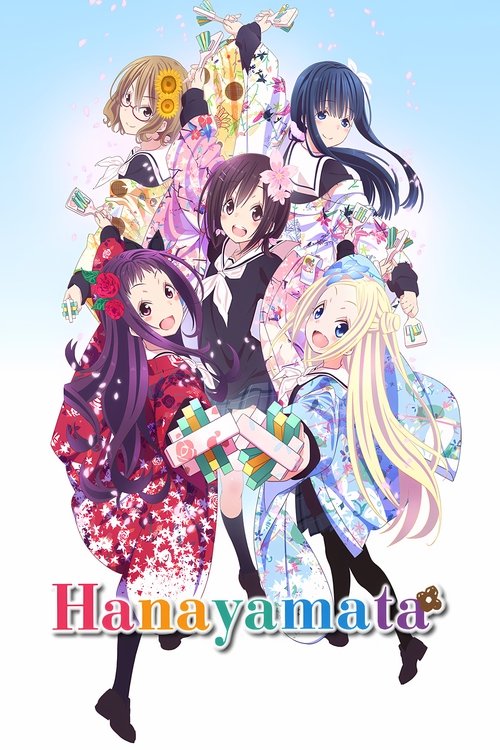
In the town of Asakusa, a shy and introverted high school girl named Naru Sekiya struggles with her lack of confidence and feels out of place among her peers. One day, while wandering through a local park, she encounters a lively and energetic girl named Hana, who is practicing a traditional Japanese dance called Yosakoi. Hana's enthusiasm captivates Naru, and she is drawn to the vibrant spirit of the dance, which contrasts sharply with her own reserved nature.
Hana, noticing Naru's interest, encourages her to join in the dance. Initially hesitant, Naru is overwhelmed by Hana's infectious energy and eventually gives in, trying to mimic the movements. This moment marks the beginning of Naru's journey toward self-discovery and friendship. Hana's passion for Yosakoi inspires Naru to consider stepping out of her comfort zone.
As Naru becomes more involved with Hana, she learns about the Yosakoi dance club at their school, which is currently lacking members. Hana expresses her desire to form a new club and invites Naru to join her. Naru, feeling a mix of excitement and anxiety, agrees to help Hana recruit more members. They set out to find other students who might be interested in Yosakoi, leading them to meet several potential recruits, including the aloof and talented dancer, Yaya, and the cheerful and supportive girl, Tami.
The girls face challenges as they attempt to establish the Yosakoi club. They struggle with the logistics of organizing practices and securing a space to dance. Naru's insecurities resurface as she worries about her abilities and whether she can keep up with the more experienced dancers. However, Hana's unwavering support and encouragement help Naru to gradually build her confidence.
As the club begins to take shape, the girls hold their first practice session. Naru feels nervous but is determined to improve. During practice, they encounter various obstacles, including disagreements over choreography and differing levels of commitment among the members. Tensions rise, but Hana's leadership and enthusiasm help to keep the group motivated. Naru starts to find joy in dancing, and her bond with the other girls deepens.
The club's first public performance approaches, and the girls are excited yet anxious. They work tirelessly to perfect their routine, but Naru's self-doubt resurfaces as she worries about letting the team down. In a pivotal moment, Naru confides in Hana about her fears, and Hana reassures her that everyone has their own pace and that it's okay to make mistakes. This heartfelt conversation strengthens their friendship and reinforces Naru's resolve to give her best effort.
On the day of the performance, the girls are filled with a mix of excitement and nerves. They don their colorful Yosakoi costumes and gather backstage, where they support each other with words of encouragement. As they take the stage, Naru feels a rush of adrenaline and a sense of belonging. The performance is a culmination of their hard work, and despite a few missteps, they dance with passion and energy, captivating the audience.
After the performance, the girls receive positive feedback, and Naru experiences a profound sense of accomplishment. The success of the event solidifies their bond as a team and boosts Naru's confidence. They celebrate their achievement together, reflecting on how far they have come since the club's inception.
As the story progresses, the girls face new challenges, including competition from other schools and personal struggles. Naru continues to grow, learning to embrace her individuality and the joy of dancing. The friendships she has formed with Hana, Yaya, and Tami become a source of strength, and they support each other through various ups and downs.
In the climax of the series, the girls prepare for a major Yosakoi competition. The stakes are high, and each member is determined to give their all. Naru, now more confident in her abilities, takes on a leadership role during rehearsals, helping to motivate her teammates. They work together to refine their routine, overcoming obstacles and setbacks along the way.
The day of the competition arrives, and the atmosphere is electric with excitement. The girls perform their routine with passion and precision, showcasing their growth as dancers and as a team. The performance is met with enthusiastic applause, and they feel a sense of pride in their hard work and dedication.
In the aftermath of the competition, the girls reflect on their journey and the bonds they have formed. Naru has transformed from a shy girl into a confident dancer, and she realizes the importance of friendship and support in achieving her dreams. The series concludes with the girls looking forward to their future in Yosakoi, ready to take on new challenges together.
🔥 Trending TV Shows Now
Browse All TV Shows →








What is the ending?
In the ending of HaNaYaMaTa, the girls of the Yosakoi club perform at the summer festival, showcasing their growth and the bonds they have formed. Naru, who has struggled with her confidence, finds joy in dancing and embraces her love for Yosakoi. The performance is a culmination of their hard work, and they celebrate their friendship and the memories they have created together.
As the festival concludes, the girls reflect on their journey, realizing how much they have changed and how their experiences have brought them closer. The story ends on a hopeful note, emphasizing the importance of friendship and self-discovery.
As the sun begins to set, casting a warm golden hue over the summer festival, the atmosphere is electric with excitement. The air is filled with the sounds of laughter, music, and the distant rhythm of taiko drums. The Yosakoi club members, Naru, Hana, Yaya, and their friends, gather backstage, their hearts racing with anticipation. This is the moment they have been working towards, the culmination of their efforts and the embodiment of their dreams.
Naru stands at the front, her hands trembling slightly as she adjusts her costume. She feels a mix of anxiety and exhilaration, her mind racing with thoughts of whether they will be able to perform well. She glances at her friends, each of them wearing expressions of determination and excitement. Hana, with her bright smile, reassures Naru, reminding her of how far they have come together. Yaya, ever the spirited one, bounces on her toes, eager to hit the stage and show everyone what they can do.
As they step onto the stage, the lights shine down on them, illuminating their vibrant costumes. The crowd cheers, and for a moment, Naru feels a wave of confidence wash over her. The music begins, and they start their performance, moving in sync, their bodies flowing with the rhythm. Each step is a testament to their hard work, each movement a reflection of their growth. Naru loses herself in the dance, her worries fading away as she embraces the joy of performing alongside her friends.
The performance is a beautiful blend of traditional Yosakoi elements and their unique flair, showcasing not only their skills but also the bond they have forged through their shared experiences. As they dance, Naru feels a sense of liberation, realizing that she has found her place among her friends and in the world of Yosakoi. The audience is captivated, cheering them on, and Naru's heart swells with pride.
As the final notes of the music play, the girls strike their last pose, breathless and exhilarated. The applause is thunderous, and Naru can hardly believe the joy radiating from the crowd. They have done it; they have performed beautifully. The girls embrace each other, tears of happiness in their eyes, overwhelmed by the support and love they have received.
After the performance, the festival continues around them, but for Naru and her friends, this moment is a turning point. They gather together, reflecting on their journey, the challenges they faced, and the memories they created. Each girl shares her thoughts, expressing gratitude for the friendship that has blossomed through their shared passion for Yosakoi.
Naru, feeling a newfound sense of self, realizes that this experience has changed her. She has grown more confident, more connected to her friends, and more in tune with her own desires. The festival winds down, but the bonds they have formed will last far beyond this day. As they walk away from the stage, hand in hand, they look forward to the future, ready to embrace whatever comes next, knowing they will face it together.
In the end, Naru, Hana, Yaya, and their friends have not only succeeded in their performance but have also discovered the true meaning of friendship, self-acceptance, and the joy of pursuing their passions. The story closes on a hopeful note, leaving the audience with a sense of warmth and inspiration, celebrating the journey of these young girls as they step into the next chapter of their lives.
Is there a post-credit scene?
In the anime "HaNaYaMaTa," there is indeed a post-credit scene that adds a light-hearted touch to the series. After the main credits roll, viewers are treated to a brief moment featuring the characters in a playful and relaxed setting.
In this scene, the girls are seen enjoying a casual day together, engaging in their usual banter and laughter. The atmosphere is filled with a sense of camaraderie and joy, showcasing the strong bonds they have formed throughout their journey in the Yosakoi club. The scene captures their carefree spirits, with each character displaying their unique quirks and personalities.
As they interact, there are hints of their aspirations and dreams for the future, reflecting their growth and the impact of their experiences together. This light-hearted moment serves as a sweet reminder of the friendships they have built and the fun they have shared, leaving viewers with a warm feeling as the series concludes.
What motivates Naru Sekiya to join the Yosakoi club?
Naru Sekiya, a shy and somewhat insecure high school girl, is motivated to join the Yosakoi club after she encounters the vibrant and energetic Hana, who introduces her to the world of Yosakoi dance. Naru feels a deep yearning to break free from her mundane life and to express herself creatively. The excitement and passion that Hana displays inspire Naru to step out of her comfort zone, leading her to seek a sense of belonging and self-discovery through dance.
How does Hana's character influence the dynamics of the Yosakoi club?
Hana, with her exuberant personality and unwavering passion for Yosakoi, serves as the catalyst for the formation and growth of the Yosakoi club. Her enthusiasm draws in other members, including Naru, and her determination to create a captivating performance pushes the group to work harder. However, Hana's sometimes impulsive nature and high expectations also create tension within the club, as she struggles to balance her dreams with the realities of teamwork and the differing motivations of her peers.
What challenges does the Yosakoi club face in their preparations for the festival?
The Yosakoi club faces several challenges as they prepare for the festival, including the need to learn complex choreography, the pressure of competing against more experienced teams, and internal conflicts among members. As they practice, they encounter issues such as differing skill levels, personal insecurities, and the struggle to maintain motivation. These challenges test their resolve and force them to confront their individual fears and doubts, ultimately leading to growth and stronger bonds among the members.
How does the relationship between Naru and Hana evolve throughout the series?
Naru and Hana's relationship evolves from initial admiration to a deep friendship as they navigate the ups and downs of their Yosakoi journey. Initially, Naru is captivated by Hana's confidence and charisma, but as they spend more time together, Naru learns to assert herself and express her own ideas. Their bond strengthens as they support each other through personal struggles, with Naru helping Hana confront her fears of failure and Hana encouraging Naru to embrace her individuality. This mutual growth solidifies their friendship and enhances their performances.
What role does the character of Yaya play in the Yosakoi club's development?
Yaya, a talented and somewhat aloof member of the Yosakoi club, plays a crucial role in the group's development by providing both a challenge and a source of inspiration. Initially, Yaya's competitive nature and high standards create friction within the club, as she often critiques others harshly. However, her dedication to Yosakoi and her own personal struggles with self-acceptance ultimately lead to moments of vulnerability that help the other members understand her better. Yaya's journey of growth and her eventual acceptance of the team's camaraderie contribute significantly to the club's unity and success.
Is this family friendly?
HaNaYaMaTa is generally considered a family-friendly anime, focusing on themes of friendship, self-discovery, and the joy of traditional Japanese dance. However, there are a few aspects that might be considered objectionable or upsetting for children or sensitive viewers:
-
Social Anxiety and Insecurity: The main character, Naru, struggles with feelings of inadequacy and social anxiety, which may resonate with some viewers but could be distressing for others who relate to her struggles.
-
Peer Pressure: There are moments where characters face pressure to conform to group expectations, which can lead to emotional distress and conflict among friends.
-
Emotional Turmoil: Characters experience moments of sadness, frustration, and disappointment, particularly related to their personal growth and relationships, which may evoke strong emotions.
-
Cultural Context: Some scenes may involve cultural references or practices that are unfamiliar to viewers, potentially leading to confusion or misunderstanding.
Overall, while the series is light-hearted and focuses on positive themes, the emotional depth and character struggles may require some sensitivity from younger viewers.