












Popular
What are the main comedic elements that differentiate Mobile Suit Gundam-san from other Gundam series?
How does the character of Amuro Ray differ in Mobile Suit Gundam-san compared to the original series?
What role does Char Aznable play in the comedic dynamics of Mobile Suit Gundam-san?
How do the supporting characters contribute to the humor in Mobile Suit Gundam-san?
What specific episodes showcase the best comedic moments in Mobile Suit Gundam-san?
Should I watch it?
Ask Your Own Question

What is the plot?
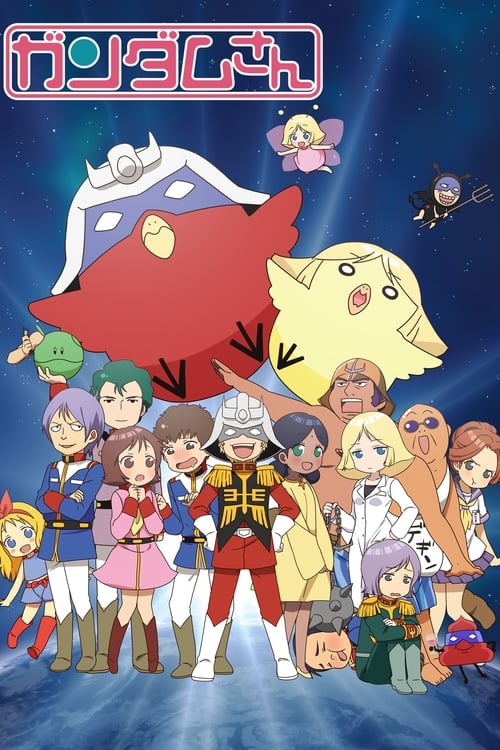
In the first episode of Mobile Suit Gundam-san, we are introduced to a comedic take on the Gundam universe, where iconic characters from the franchise are depicted in a lighthearted, slice-of-life format. The episode opens with a scene featuring Amuro Ray, who is seen in a casual setting, discussing his experiences piloting the RX-78-2 Gundam. He expresses his frustrations about the constant battles and the toll it takes on him, but his tone is humorous and exaggerated, setting the comedic tone for the series.
As the episode progresses, we see Char Aznable, who is portrayed with a flamboyant personality, engaging in banter with Amuro. Char's over-the-top confidence and rivalry with Amuro are played for laughs, as he attempts to one-up Amuro with tales of his own exploits. The two characters engage in a series of comedic exchanges, showcasing their rivalry in a light-hearted manner, with Char often trying to impress others with his supposed superiority.
The scene shifts to a group of characters from various Gundam series, including characters like Kamille Bidan and Judau Ashta, who join in on the comedic antics. They discuss their own experiences and the absurdities of their respective battles, often poking fun at the tropes of the Gundam franchise. The interactions are filled with playful jabs and humorous misunderstandings, highlighting the absurdity of their situations.
In another segment, we see a parody of a training session where the characters are attempting to pilot their mobile suits. The training is chaotic, with characters struggling to control their suits, leading to slapstick moments. Amuro and Char's rivalry continues to escalate, resulting in a series of mishaps that leave the training area in disarray. The comedic timing and exaggerated reactions of the characters add to the humor of the scene.
The episode also features a segment where the characters engage in a cooking competition, further showcasing their personalities in a non-combat scenario. Amuro tries to impress others with his culinary skills, while Char attempts to sabotage him in a humorous fashion. The competition spirals out of control, leading to a food fight that involves all the characters, culminating in a chaotic and funny conclusion.
As the episode wraps up, the characters reflect on their day, sharing laughs and bonding over their shared experiences. The light-hearted nature of the episode leaves viewers with a sense of camaraderie among the characters, despite their usual rivalries in the main Gundam series. The final moments tease future comedic scenarios, setting the stage for the next episodes in this unique take on the Gundam universe.
In subsequent episodes, the comedic format continues, with each episode featuring different scenarios that play on the established lore of the Gundam series. Characters find themselves in various humorous situations, such as misunderstandings about their missions, absurd training exercises, and even parodies of classic Gundam battles. The interactions between characters remain central to the humor, with their personalities exaggerated for comedic effect.
Throughout the season, the series maintains a consistent tone of lightheartedness, allowing for a playful exploration of the Gundam universe. The characters' motivations are often driven by their desire to prove themselves, whether in battle or in everyday situations, leading to a series of comedic misadventures that keep the audience entertained. The season concludes with a final episode that brings back many of the characters for a grand comedic finale, celebrating their friendships and rivalries in a humorous and heartwarming way.
🔥 Trending TV Shows Now
Browse All TV Shows →






What is the ending?
In the ending of Mobile Suit Gundam-san, Season 1, the series concludes with a light-hearted and comedic resolution. The characters, who have been involved in various humorous and absurd situations throughout the season, find themselves in a final skit that encapsulates the playful tone of the series. The main characters, including the iconic Gundam pilots and their mobile suits, engage in a series of comedic antics that highlight their personalities and relationships. The episode wraps up with a sense of camaraderie and fun, leaving the audience with a smile.
As the final episode unfolds, the scene opens in a vibrant, colorful setting reminiscent of a casual gathering. The characters are gathered together, showcasing their mobile suits in a playful manner. The atmosphere is light and filled with laughter, contrasting sharply with the serious themes often associated with the Gundam franchise.
The first scene features Amuro Ray, who is animatedly discussing the latest trends in mobile suit modifications. His enthusiasm is palpable, and he gestures animatedly, drawing the attention of his friends. Char Aznable, with his trademark smirk, teases Amuro about his obsession, leading to a playful banter that showcases their long-standing rivalry. The audience can feel the camaraderie between them, as their competitive spirits are evident but are underlined by a sense of friendship.
Next, the scene shifts to a comedic skit involving the mobile suits themselves. The Gundams are anthropomorphized, engaging in silly antics that mirror the personalities of their pilots. The RX-78-2 Gundam, for instance, attempts to show off its capabilities but ends up in a humorous mishap, causing everyone to burst into laughter. This moment emphasizes the absurdity of the situation, as the once-mighty machines are reduced to comedic figures.
As the episode progresses, the characters participate in a series of mini-games and challenges, each designed to showcase their unique skills and quirks. Bright Noa, the commander, tries to maintain order amidst the chaos, but his efforts are met with playful resistance from the pilots. The scene is filled with vibrant colors and exaggerated expressions, enhancing the comedic tone of the series.
In the climax of the episode, the characters come together for a final group activity, a race involving their mobile suits. The race is filled with slapstick humor, as the pilots struggle to control their machines, leading to a series of comedic accidents. The audience can feel the excitement and joy radiating from the characters, as they cheer each other on, despite the chaos.
As the race concludes, the characters gather for a celebratory moment, reflecting on their experiences throughout the season. They share laughs and reminisce about their adventures, solidifying their bonds. The final scene captures a wide shot of the group, with their mobile suits in the background, symbolizing their journey together. The episode ends on a high note, with the characters expressing their hopes for future adventures, leaving the audience with a sense of warmth and joy.
In summary, the ending of Mobile Suit Gundam-san, Season 1, encapsulates the series' comedic essence, showcasing the characters' relationships and personalities through light-hearted antics and playful interactions. Each character, from Amuro to Char, finds a moment to shine, reinforcing the themes of friendship and camaraderie that permeate the series. The fate of each character is one of joy and laughter, as they embrace the lighter side of their lives as mobile suit pilots.
Is there a post-credit scene?
In "Mobile Suit Gundam-san," Season 1, there is indeed a post-credit scene that adds a humorous touch to the overall lighthearted tone of the series. After the main episodes conclude, the scene features a comedic interaction between the characters, often showcasing their quirky personalities and the absurdity of their situations.
In this particular post-credit scene, the characters are gathered in a casual setting, likely a break room or a similar environment, where they engage in a light-hearted discussion about their experiences piloting mobile suits. The dialogue is filled with playful banter, showcasing their camaraderie and the humorous side of their often serious roles in the Gundam universe.
One character might express frustration over a recent battle, only to be met with exaggerated reactions from others, who either mock or support their feelings in a comical way. The scene encapsulates the essence of the series, blending the iconic elements of the Gundam franchise with a comedic twist, leaving viewers with a smile as the credits roll.
This post-credit moment serves as a delightful reminder of the series' ability to balance humor with the more serious themes typically associated with the Gundam saga, reinforcing the show's unique charm.
What are the main comedic elements that differentiate Mobile Suit Gundam-san from other Gundam series?
Mobile Suit Gundam-san employs a comedic tone that parodies the serious themes of the original Gundam series. The characters often find themselves in absurd situations, such as Amuro Ray and Char Aznable engaging in humorous banter rather than epic battles. The series uses visual gags, such as exaggerated facial expressions and slapstick humor, to create a lighthearted atmosphere.
How does the character of Amuro Ray differ in Mobile Suit Gundam-san compared to the original series?
In Mobile Suit Gundam-san, Amuro Ray is portrayed in a more comedic light, often showcasing his insecurities and awkwardness in social situations. This contrasts with his serious and determined demeanor in the original series. His interactions with other characters, such as Char and Bright Noa, are filled with humor, highlighting his more relatable and less heroic side.
What role does Char Aznable play in the comedic dynamics of Mobile Suit Gundam-san?
Char Aznable serves as a foil to Amuro Ray, often embodying the archetypal 'cool' character but in a humorous context. His dramatic entrances and over-the-top reactions to mundane situations create comedic tension. Char's obsession with rivalry and his melodramatic personality are exaggerated for comedic effect, making him a central figure in the series' humor.
How do the supporting characters contribute to the humor in Mobile Suit Gundam-san?
Supporting characters like Bright Noa and Sayla Mass add layers to the humor through their interactions with Amuro and Char. Bright's exasperation with Amuro's antics and Sayla's deadpan responses to the absurdity around her create a comedic balance. Their reactions often highlight the ridiculousness of the situations, enhancing the overall comedic tone of the series.
What specific episodes showcase the best comedic moments in Mobile Suit Gundam-san?
Episodes such as Episode 3, where Amuro and Char compete in a cooking contest, and Episode 5, which features a parody of a romantic comedy scenario between Amuro and Sayla, are standout examples. These episodes utilize situational comedy and character-driven humor, showcasing the series' ability to blend Gundam lore with lighthearted storytelling.
Is this family friendly?
"Mobile Suit Gundam-san" is a comedic parody of the Gundam franchise, and while it is generally family-friendly, there are a few aspects that might be considered objectionable or upsetting for children or sensitive viewers.
-
Mild Violence: The series features mecha battles and combat scenes, but they are presented in a humorous and exaggerated manner, reducing the impact of violence. However, some younger viewers might still find the concept of fighting robots unsettling.
-
Slightly Suggestive Humor: There are moments of light innuendo and suggestive jokes that may not be suitable for very young children, though they are typically presented in a playful and non-explicit way.
-
Character Frustrations: Some characters experience comedic frustration or embarrassment, which could be relatable but might also evoke feelings of discomfort in sensitive viewers.
-
Parody of Serious Themes: The show parodies serious themes from the original Gundam series, which might confuse younger viewers who are not familiar with the context or the original material.
Overall, while "Mobile Suit Gundam-san" is designed to be lighthearted and entertaining, parents may want to preview episodes to ensure they align with their comfort levels for their children.