









Popular
How does the character of the antagonist influence the plot?
What is the significance of the character Kichisaburo in the story?
How does the relationship between Kichisaburo and Oharu develop throughout the series?
What role does the Yoshiwara district play in shaping the characters' lives?
What are the main conflicts faced by the character Oharu?
Should I watch it?
Ask Your Own Question

What is the plot?
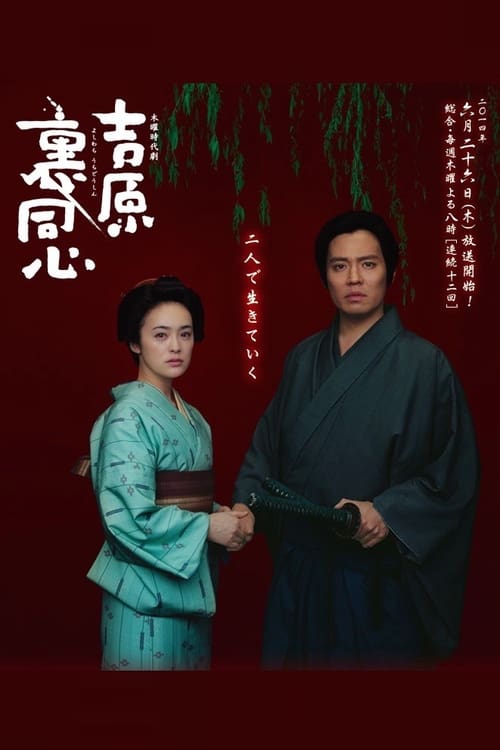
In the Edo period, the story begins with a young man named Kichisaburo, who is a skilled swordsman and a member of the police force. He is tasked with investigating the underbelly of Yoshiwara, a famous red-light district known for its courtesans and illicit activities. Kichisaburo is determined to uncover the truth behind the mysterious disappearances of several women from the district. His motivation is fueled by a personal connection, as he has a childhood friend, Oharu, who works as a courtesan in Yoshiwara.
As Kichisaburo delves deeper into the investigation, he encounters various characters, including the enigmatic courtesan, Kiku, who becomes a key figure in his quest. Kiku is portrayed as both alluring and cunning, and she holds vital information about the dark dealings within Yoshiwara. Kichisaburo's interactions with her reveal his internal conflict; he is torn between his duty as a lawman and his growing feelings for Kiku.
During one of his visits to Yoshiwara, Kichisaburo witnesses a confrontation between rival factions vying for control over the district. This scene is intense, filled with the clashing of swords and the chaos of the streets. Kichisaburo intervenes, showcasing his combat skills, but he is also aware that his actions could jeopardize his investigation. The fight ends with Kichisaburo managing to subdue one of the attackers, but he is left with more questions than answers.
As the plot progresses, Kichisaburo learns about a secret organization that is involved in the trafficking of women. He discovers that Oharu is in grave danger, as she has been targeted by this organization. This revelation propels Kichisaburo into a race against time to save her. He confronts Kiku, demanding her help, and she reluctantly agrees, revealing her own tragic past and the reasons she became a courtesan.
Kichisaburo and Kiku devise a plan to infiltrate the organization. They gather information and prepare for a confrontation. The tension builds as they navigate the treacherous world of Yoshiwara, facing threats from both the organization and the local authorities who are corrupt and complicit in the trafficking.
In a climactic sequence, Kichisaburo and Kiku confront the leader of the organization in a hidden lair. The scene is fraught with danger as they engage in a fierce battle. Kichisaburo fights valiantly, using his swordsmanship to take down several henchmen. Kiku, showing her resourcefulness, uses her knowledge of the district to outmaneuver their enemies. The fight culminates in a showdown between Kichisaburo and the leader, where Kichisaburo's determination to save Oharu and bring justice to Yoshiwara is put to the ultimate test.
After a brutal fight, Kichisaburo emerges victorious, but not without sustaining injuries. He rescues Oharu, who is traumatized but grateful to be free. The emotional reunion between Kichisaburo and Oharu is poignant, highlighting the sacrifices made throughout the ordeal.
In the aftermath, Kichisaburo reflects on the events that transpired. He realizes that while he has saved Oharu, the world of Yoshiwara remains fraught with danger and corruption. Kiku, having helped Kichisaburo, decides to leave Yoshiwara behind, seeking a new life away from the shadows of her past. Their parting is bittersweet, filled with unspoken feelings and the weight of their shared experiences.
The series concludes with Kichisaburo returning to his duties, forever changed by the events in Yoshiwara. He carries the memories of Kiku and the women he fought to save, knowing that the battle against injustice is far from over. The final scene leaves viewers with a sense of unresolved tension, as Kichisaburo looks out over the district, contemplating the ongoing struggles within the world he has dedicated himself to protect.







What is the ending?
In the ending of "Yoshiwara Ura Doshin," the main character, Doshin, confronts the corrupt forces within the Yoshiwara district. After a series of intense confrontations, he ultimately sacrifices himself to protect the women of the brothel and bring justice to the area. The story concludes with a sense of resolution as the remaining characters reflect on Doshin's legacy and the hope for a better future.
As the final episodes unfold, the tension in Yoshiwara escalates. Doshin, having uncovered the deep-seated corruption and the exploitation of the women in the district, prepares for a confrontation with the powerful figures who have long controlled the area. The atmosphere is thick with anticipation, and the streets of Yoshiwara are alive with whispers of rebellion.
Scene 1: Doshin gathers his allies, including the women of the brothel who have come to trust him. They share a moment of vulnerability, revealing their fears and hopes. Doshin reassures them, his determination shining through as he vows to protect them at all costs. The camera lingers on their faces, capturing the mix of hope and despair.
Scene 2: The confrontation begins as Doshin and his allies storm the headquarters of the corrupt officials. The setting is dark and foreboding, with shadows dancing on the walls as they move stealthily through the building. Tension mounts as they encounter guards, leading to a series of intense skirmishes. Doshin fights valiantly, showcasing his skills and resolve, but the odds are stacked against them.
Scene 3: In a pivotal moment, Doshin faces off against the main antagonist, a powerful figure who embodies the corruption of Yoshiwara. Their battle is fierce, filled with emotional weight as Doshin fights not just for himself but for the women he has come to care for. The stakes are high, and the fight is brutal, with both men pushing their limits.
Scene 4: As the fight reaches its climax, Doshin realizes that victory will come at a great cost. In a moment of selflessness, he makes the ultimate sacrifice, allowing himself to be mortally wounded to ensure the safety of the women and to dismantle the corrupt system. The scene is heart-wrenching, with Doshin's final moments filled with a mix of pain and peace as he knows he has made a difference.
Scene 5: The aftermath of Doshin's sacrifice is poignant. The women of the brothel gather to mourn him, their tears a testament to the impact he had on their lives. They vow to honor his memory by continuing to fight for their freedom and dignity. The camera captures their resolve, showing that while Doshin is gone, his spirit lives on in their determination.
Scene 6: The final scenes depict the changes in Yoshiwara. The corrupt officials are brought to justice, and a new sense of hope begins to blossom in the district. The women, now empowered, take steps towards rebuilding their lives. The closing shot lingers on the streets of Yoshiwara, now filled with a sense of possibility, as the sun rises, symbolizing a new beginning.
In the end, Doshin's fate is one of sacrifice, leaving behind a legacy of courage and hope. The women he fought for find strength in his memory, and the story concludes with a sense of renewal, emphasizing the themes of justice, sacrifice, and the enduring spirit of those who seek freedom.
Is there a post-credit scene?
In "Yoshiwara Ura Doshin," there is no post-credit scene. The series concludes its narrative without any additional scenes after the credits roll. The final moments of the show wrap up the main story arcs and character developments, providing a sense of closure to the viewers. The focus remains on the resolution of the characters' journeys within the context of the Yoshiwara district, leaving no lingering threads that would typically warrant a post-credit scene.
How does the character of the antagonist influence the plot?
The antagonist in 'Yoshiwara Ura Doshin' plays a crucial role in driving the plot forward, embodying the corrupt elements of society that exploit the vulnerable. This character's actions create significant obstacles for Kichisaburo and Oharu, forcing them to confront their own values and the harsh realities of their world. The antagonist's schemes not only threaten the safety of the courtesans but also challenge Kichisaburo's commitment to justice, pushing him to make difficult choices that impact his relationship with Oharu.
What is the significance of the character Kichisaburo in the story?
Kichisaburo is a pivotal character in 'Yoshiwara Ura Doshin,' serving as a bridge between the world of the Yoshiwara pleasure district and the law enforcement that seeks to maintain order. His internal conflict stems from his duty as a police officer and his growing affection for the courtesans of Yoshiwara, particularly for a character named Oharu. Kichisaburo's motivations are deeply tied to his desire to protect the vulnerable women in the district while grappling with the moral ambiguities of his role.
How does the relationship between Kichisaburo and Oharu develop throughout the series?
The relationship between Kichisaburo and Oharu evolves from initial suspicion and professional distance to a deep emotional bond. Initially, Kichisaburo views Oharu as just another courtesan, but as he learns about her struggles and the harsh realities of her life, he becomes more empathetic. Their interactions are filled with tension, longing, and moments of vulnerability, showcasing Kichisaburo's internal battle between his duties and his feelings for her.
What role does the Yoshiwara district play in shaping the characters' lives?
The Yoshiwara district serves as a vibrant yet oppressive backdrop that shapes the characters' lives and decisions. It is a place of beauty and despair, where courtesans like Oharu navigate their fates amidst societal constraints. The district's allure draws Kichisaburo in, complicating his role as a lawman. The contrasting elements of pleasure and suffering within Yoshiwara highlight the characters' struggles for agency and connection.
What are the main conflicts faced by the character Oharu?
Oharu faces multiple conflicts throughout the series, primarily revolving around her status as a courtesan and her desire for freedom. She grapples with the expectations placed upon her by society and the Yoshiwara system, which commodifies her existence. Her emotional turmoil is exacerbated by her feelings for Kichisaburo, as she longs for a life beyond the confines of the pleasure district while fearing the repercussions of pursuing such a dream.
Is this family friendly?
"Yoshiwara Ura Doshin" is a historical drama set in the Edo period, focusing on the lives of people in the Yoshiwara district, known for its red-light district. While the show offers rich storytelling and character development, it contains several elements that may not be suitable for children or sensitive viewers.
-
Adult Themes: The series explores themes of prostitution, human trafficking, and the struggles of women in a patriarchal society, which may be difficult for younger audiences to understand.
-
Violence: There are scenes depicting violence, including fights and confrontations that can be intense and graphic, reflecting the harsh realities of the time.
-
Sexual Content: The show includes references to sexual activities and relationships, which are central to the plot and may be inappropriate for children.
-
Emotional Distress: Characters often face significant emotional turmoil, including betrayal, loss, and despair, which could be upsetting for sensitive viewers.
-
Substance Use: There are instances of alcohol consumption and references to opium, which are portrayed in the context of the characters' lives and struggles.
These aspects contribute to a mature narrative that may not be suitable for a family-friendly viewing experience.