




























Loading additional questions...
Popular
What motivates Harold Abrahams to pursue running competitively?
How does Eric Liddell's faith influence his running?
What is the significance of the race between Abrahams and Liddell?
How does the character of Sam Mussabini influence Harold Abrahams' training?
What challenges does Eric Liddell face in his pursuit of Olympic glory?
Should I watch it?
Ask Your Own Question

What is the plot?
Sorry, we aren't able to watch and write up a full detailed plot yet. Check back in a few days.



What is the ending?
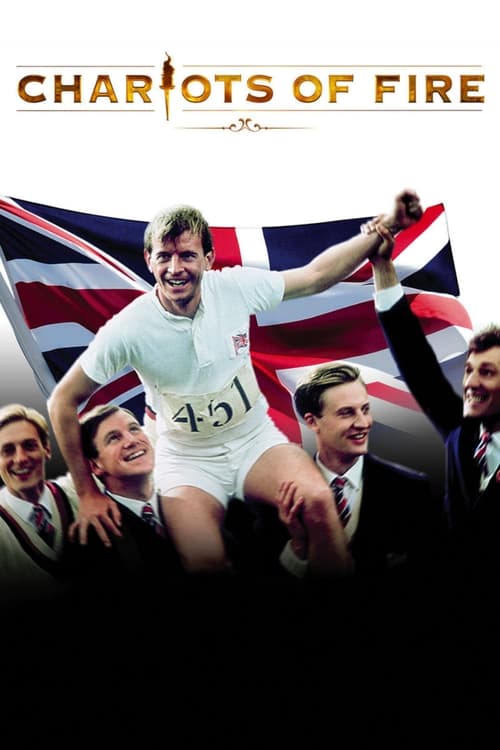
In the ending of "Chariots of Fire," Harold Abrahams wins the gold medal in the 100 meters at the 1924 Paris Olympics, while Eric Liddell, who refuses to run on a Sunday due to his religious beliefs, does not compete in the 100 meters but later wins the gold in the 400 meters. The film concludes with a montage of their achievements and the impact of their journeys on their lives.
As the film approaches its climax, the scene shifts to the grand stage of the 1924 Paris Olympics. The atmosphere is electric, filled with anticipation and the sounds of cheering crowds. Harold Abrahams stands at the starting line of the 100 meters, his face a mask of determination and anxiety. He has trained relentlessly, driven by a fierce desire to prove himself and to overcome the prejudice he faces as a Jewish athlete. The camera captures the tension in his body, the way he clenches his fists, and the intensity in his eyes as he prepares for the race.
The starting gun fires, and Abrahams explodes off the blocks, his legs pumping with power and speed. The scene is intercut with shots of his fellow competitors, each vying for glory. The crowd roars as Abrahams pushes himself to the limit, his internal monologue echoing his fears and aspirations. He recalls the struggles he faced, the sacrifices he made, and the relentless pursuit of victory that has defined his life. As he crosses the finish line, the world seems to slow down; he hears the cheers, feels the rush of triumph, and realizes he has won the gold medal. The moment is bittersweet, filled with the weight of his journey and the realization of what it took to get there.
Meanwhile, Eric Liddell, who has steadfastly adhered to his religious convictions, faces his own challenges. He has chosen not to run the 100 meters on a Sunday, a decision that has drawn both admiration and criticism. As the events unfold, Liddell prepares for the 400 meters, a race that is not his primary focus but one he approaches with the same fervor and dedication. The scene transitions to the 400-meter race, where Liddell stands at the starting line, his expression a blend of calm and resolve. He knows that this race is not just about winning; it is about honoring his faith and the principles he holds dear.
As the race begins, Liddell's powerful stride and unwavering spirit shine through. The camera captures the intensity of his effort, the way he pushes through the pain, and the joy that radiates from him as he runs. The crowd is captivated, and as he crosses the finish line, victorious, the jubilation is palpable. Liddell has not only won the gold medal but has also remained true to himself, embodying the film's themes of faith, integrity, and the pursuit of one's beliefs.
The film concludes with a montage that juxtaposes the two athletes' victories. Abrahams stands on the podium, the gold medal around his neck, a symbol of his hard-fought battle against prejudice and his quest for acceptance. Liddell, too, stands triumphant, his faith unshaken, a testament to his commitment to his beliefs. The final scenes reflect on their journeys, the sacrifices made, and the legacies they leave behind, encapsulating the essence of their characters and the broader themes of the film.
In the end, Abrahams and Liddell emerge as champions, not just in athletics but in their personal battles, each having found their own path to glory amidst the challenges they faced.
Is there a post-credit scene?
The movie "Chariots of Fire," produced in 1981, does not have a post-credit scene. The film concludes with a powerful and emotional finale, focusing on the triumphs and struggles of its main characters, Eric Liddell and Harold Abrahams, as they prepare for and compete in the 1924 Paris Olympics. The final scenes emphasize their dedication, faith, and the personal sacrifices they made for their respective beliefs and ambitions. After the credits roll, there are no additional scenes or content that follow. The film ends on a poignant note, leaving the audience to reflect on the themes of perseverance, faith, and the pursuit of excellence.
What motivates Harold Abrahams to pursue running competitively?
Harold Abrahams, a Jewish athlete, is driven by a deep desire to overcome the prejudice he faces in British society. His motivation stems from a need to prove himself and gain acceptance, as well as a personal quest for glory and validation. This internal struggle is highlighted in his intense training sessions and his interactions with others, particularly his determination to win at the 1924 Paris Olympics.
How does Eric Liddell's faith influence his running?
Eric Liddell's strong Christian faith is a central aspect of his character. He believes that running is a way to honor God, and he expresses this conviction throughout the film. His refusal to run on a Sunday during the Olympics showcases his commitment to his beliefs, creating a conflict between his athletic ambitions and his religious principles. This internal conflict adds depth to his character and highlights the theme of personal conviction.
What is the significance of the race between Abrahams and Liddell?
The race between Harold Abrahams and Eric Liddell serves as a pivotal moment in the film, symbolizing the clash of their differing motivations and values. While Abrahams runs for personal glory and to combat societal prejudice, Liddell runs for the glory of God. This race encapsulates their individual journeys and the broader themes of competition, faith, and identity, culminating in a powerful emotional climax.
How does the character of Sam Mussabini influence Harold Abrahams' training?
Sam Mussabini, a seasoned coach, plays a crucial role in shaping Harold Abrahams' approach to running. His expertise and unconventional training methods push Abrahams to refine his technique and adopt a more strategic mindset. Mussabini's belief in Abrahams' potential instills confidence in him, and their relationship evolves from mere coach and athlete to a partnership built on mutual respect and ambition.
What challenges does Eric Liddell face in his pursuit of Olympic glory?
Eric Liddell faces significant challenges, particularly the conflict between his athletic aspirations and his religious convictions. His decision to refuse to run on a Sunday leads to public scrutiny and disappointment from the British Olympic Committee. Additionally, he grapples with the expectations of his family and community, which adds emotional weight to his journey. Liddell's steadfastness in his beliefs ultimately shapes his character and the choices he makes.









