



Popular
What types of experiments are featured in Science of Stupid?
Who is the host of Science of Stupid and what is his role?
What are some specific examples of stunts featured in the show?
How does the show use slow-motion footage to enhance understanding?
Are there recurring themes or types of accidents throughout the series?
Should I watch it?
Ask Your Own Question

What is the plot?
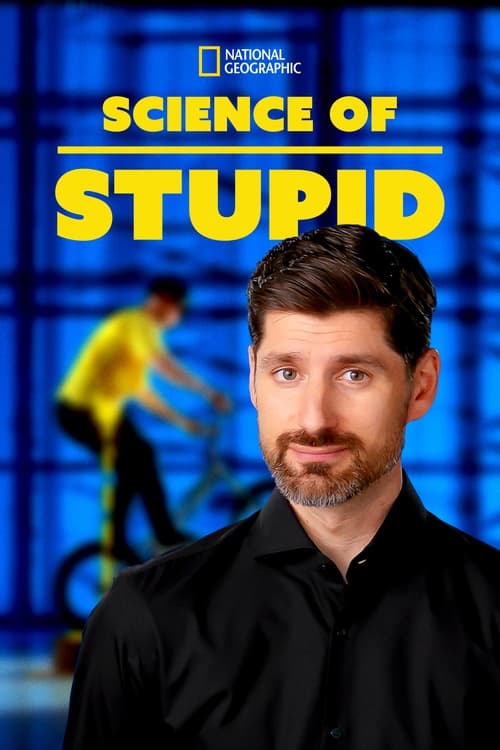
"Science of Stupid" is a television series that aired in 2014, focusing on the science behind various stunts and accidents captured on video. Each episode features a host who presents clips of people attempting risky or foolish activities, followed by an analysis of the physics and biology involved in the mishaps.
The show is structured episodically, with each episode typically beginning with an introduction from the host, who sets the stage for the theme of the episode. The host often shares a personal anecdote or a humorous observation related to the stunts being featured, creating a light-hearted tone.
As the episode progresses, the host presents a series of video clips showcasing individuals engaging in various stunts, such as skateboarding tricks, parkour attempts, or extreme sports. Each clip is carefully selected to highlight a specific type of failure, whether it be a fall, a collision, or an unexpected outcome. The host provides commentary on what is happening in each clip, often with a comedic flair, while also explaining the scientific principles at play.
After each clip, the show delves into a detailed analysis of the incident. The host breaks down the physics involved, discussing concepts such as gravity, momentum, and friction. For example, in a segment featuring a skateboarder attempting a trick, the host might explain how the angle of the ramp and the speed of the skateboarder contribute to the likelihood of a fall.
Throughout the episode, the host also engages with the audience, posing rhetorical questions and encouraging viewers to think critically about the stunts being performed. This interactive element adds to the entertainment value of the show, as the host often anticipates the audience's reactions to the clips.
In addition to the main clips, the show occasionally features expert interviews or demonstrations that further illustrate the scientific concepts being discussed. These segments provide additional context and depth to the analysis, allowing viewers to gain a better understanding of the principles behind the stunts.
As the episode nears its conclusion, the host typically summarizes the key takeaways from the clips and analyses, reinforcing the scientific concepts explored throughout the episode. The final moments often include a humorous recap of the most outrageous stunts featured, leaving the audience with a sense of amusement and a greater appreciation for the science behind the chaos.
Each episode of "Science of Stupid" follows this general format, with variations in the specific stunts and scientific principles explored. The consistent structure and engaging presentation make the show both entertaining and educational, appealing to a wide range of viewers interested in the intersection of science and humor.









What is the ending?
"Science of Stupid" is a television series that does not have a traditional narrative structure with characters and a plot that culminates in an ending. Instead, it is an educational show that explores the science behind various stunts and accidents, using humorous clips and expert commentary to explain why certain actions lead to failure. Each episode features different segments that highlight various physical mishaps, often involving everyday activities gone wrong, and the science behind them.
In a typical episode, the show concludes with a recap of the key lessons learned from the featured clips, emphasizing the importance of understanding physics and human behavior to avoid similar mistakes. The show does not have characters with arcs or a storyline that resolves in a conventional sense, as it is focused on educating the audience through entertaining visuals and scientific explanations.
In a more detailed description of a typical episode's ending:
As the episode draws to a close, the host, often clad in casual attire, stands in front of a large screen displaying a montage of the most memorable clips from the show. The screen flickers with images of people attempting daring stunts, only to face humorous and often painful consequences. The host, with a playful grin, begins to summarize the key points learned throughout the episode.
Scene by scene, the host revisits the clips, pausing to highlight the physics at play. In one clip, a skateboarder attempts a trick but miscalculates his landing, resulting in a spectacular fall. The host explains the importance of momentum and balance, gesturing animatedly as he breaks down the mechanics of the stunt. The audience can see the skateboarder's initial confidence turn to shock as he tumbles, a moment that elicits laughter and sympathy.
Next, the host transitions to a clip of a group of friends attempting a backyard trampoline jump. As one friend launches into the air, the host points out the potential for misjudgment in height and distance. The scene plays out with the friend soaring high before crashing into a nearby inflatable pool, splashing water everywhere. The host chuckles, noting how gravity plays a crucial role in such stunts, and the audience shares in the laughter, understanding the lesson behind the folly.
The final segment features a compilation of clips showcasing various mishaps, from failed parkour attempts to kitchen disasters. The host emphasizes the common thread of human error and the science that explains why these accidents happen. With each clip, the audience is reminded of the importance of safety and awareness in everyday activities.
As the episode concludes, the host delivers a final thought, encouraging viewers to learn from the mistakes showcased in the clips. He smiles warmly, thanking the audience for joining him on this journey through the science of failure. The screen fades to black, leaving viewers with a sense of amusement and a newfound appreciation for the science behind their own actions.
In summary, "Science of Stupid" does not have a traditional ending with character fates or a resolved conflict, but rather concludes each episode with a humorous and educational recap of the science behind the showcased mishaps.
Is there a post-credit scene?
"Science of Stupid," produced in 2014, does not feature post-credit scenes. The show primarily focuses on analyzing various viral videos that showcase people attempting stunts or activities that often lead to humorous or disastrous outcomes. Each episode is structured around a series of segments where host Richard Hammond provides commentary on the science behind the mishaps, explaining the physics and biology involved in each scenario. The format is straightforward, with no additional scenes or content after the credits. The emphasis remains on the educational and entertaining aspects of the main content rather than extending the narrative with post-credit material.
What types of experiments are featured in Science of Stupid?
Science of Stupid showcases a variety of experiments that highlight the physics behind common accidents and mishaps. Each episode features clips of people attempting stunts or activities that go hilariously wrong, followed by scientific explanations of why these failures occur. The show often includes slow-motion replays to emphasize the moments of impact and the physical principles at play.
Who is the host of Science of Stupid and what is his role?
The host of Science of Stupid is Richard Hammond, a well-known television presenter and journalist. His role is to guide viewers through the various segments of the show, providing commentary and insights into the scientific principles behind the stunts and accidents. Hammond's engaging personality and humor add a layer of entertainment as he explains the mechanics of each scenario.
What are some specific examples of stunts featured in the show?
Specific stunts featured in Science of Stupid include individuals attempting to jump over obstacles on bicycles, people trying to perform tricks on skateboards, and various water-related mishaps such as diving into pools from high places. Each stunt is analyzed for its potential dangers and the reasons behind the failures, often leading to humorous outcomes.
How does the show use slow-motion footage to enhance understanding?
The show frequently employs slow-motion footage to dissect the moments leading up to and during the accidents. This technique allows viewers to see the precise movements and reactions of the individuals involved, making it easier to understand the physics behind the failures. The slow-motion segments are often accompanied by detailed explanations from Richard Hammond, enhancing the educational aspect of the show.
Are there recurring themes or types of accidents throughout the series?
Yes, recurring themes in Science of Stupid include the consequences of poor judgment, the unpredictability of physical forces, and the humorous outcomes of seemingly simple tasks gone wrong. Common types of accidents include falls, collisions, and mishaps involving sports equipment, all of which serve to illustrate the scientific principles of motion, gravity, and momentum.
Is this family friendly?
"Science of Stupid," produced in 2014, is a television show that explores the science behind various stunts and mishaps, often featuring humorous and sometimes painful accidents. While the show is generally family-friendly, there are a few aspects that might be considered objectionable or upsetting for children or sensitive viewers:
-
Injury Footage: The show often includes clips of people getting hurt while attempting stunts, which can be graphic in nature. These injuries, while presented in a humorous context, may be distressing for younger viewers.
-
Physical Comedy: Many segments involve slapstick humor, where individuals fall, trip, or collide with objects. While intended to be funny, the physicality of these moments might be unsettling for some.
-
Risky Behavior: The show showcases dangerous activities and stunts that could encourage imitation. This might raise concerns for parents about the potential for children to try similar actions without understanding the risks involved.
-
Mild Language: Occasionally, there may be mild swearing or expressions of frustration from individuals in the clips, which could be inappropriate for very young audiences.
-
Emotional Reactions: Some segments may capture the embarrassment or frustration of individuals after failing at a stunt, which could evoke feelings of discomfort or empathy in sensitive viewers.
Overall, while "Science of Stupid" is designed to entertain and educate about the science of accidents, parents may want to preview episodes to determine their suitability for their children.