

























Popular
What motivates Rachel Phelps to assemble a team of misfit players for the Cleveland Indians?
How does Ricky 'Wild Thing' Vaughn evolve throughout the film?
What is the significance of the team's rallying cry, 'Just a bit outside'?
How does the relationship between Jake Taylor and his ex-girlfriend, Lynn, impact his character development?
What role does the character of Pedro Cerrano play in the team's dynamics and success?
Should I watch it?
Ask Your Own Question

What is the plot?
Sorry, we aren't able to watch and write up a full detailed plot yet. Check back in a few days.
More Movies Like This
Browse All Movies →
What is the ending?
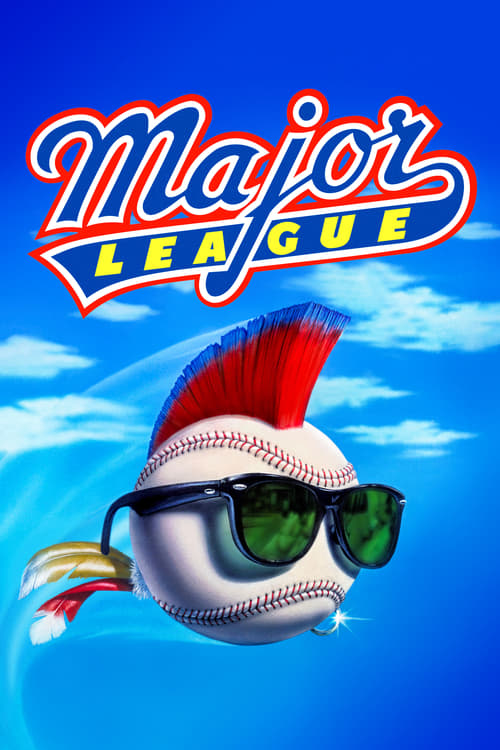
At the end of Major League, the Cleveland Indians win the American League East title, defeating the New York Yankees in a dramatic final game. The victory is marked by a series of clutch performances from the team, culminating in a triumphant celebration. The main characters find resolution in their arcs, with some achieving personal growth and others solidifying their bonds with the team.
As the final game of the season unfolds, the Cleveland Indians face off against the New York Yankees in a tense showdown. The atmosphere in the stadium is electric, filled with fans who have witnessed the team's transformation from underdogs to contenders. The camera pans over the crowd, capturing the anxious faces of loyal Indians supporters, their hopes pinned on this pivotal moment.
The game begins with the Indians struggling against the Yankees' formidable pitcher, but the tide starts to turn when the Indians' players, who have developed a strong camaraderie throughout the season, rally together. The first key moment comes when Pedro Cerrano, the team's power hitter, steps up to the plate. He has struggled with his batting against curveballs, but in this crucial moment, he connects with a pitch, sending the ball soaring into the outfield for a home run. The crowd erupts in cheers, and Cerrano, filled with a mix of pride and relief, rounds the bases, his teammates celebrating his success.
As the game progresses, the Indians find themselves in a tight spot, trailing the Yankees. The tension builds, and the camera focuses on the team's manager, Lou Brown, who remains calm and collected, instilling confidence in his players. He knows that they have come too far to give up now. The players, including the fiery rookie pitcher Rick "Wild Thing" Vaughn, are determined to prove themselves. Vaughn, who has struggled with control throughout the season, is called upon to pitch in a critical moment. With the game on the line, he channels his inner strength, striking out the Yankees' best hitters and showcasing his growth as a player.
In the final inning, the Indians are down by one run. The scene is tense, with the crowd holding its breath. The camera captures the faces of the players, each one reflecting a mix of determination and hope. With two outs, the Indians manage to get a runner on base. The next batter, Jake Taylor, steps up to the plate. He has been a leader for the team, and this moment is his chance to shine. With a calm demeanor, he focuses on the pitcher, waiting for the perfect moment to swing. He connects with the ball, sending it into the outfield, allowing the runner to score and tying the game.
The excitement reaches a fever pitch as the game goes into extra innings. The Indians' defense holds strong, and the tension mounts as they get closer to victory. In the bottom of the ninth, with the bases loaded, the scene is set for a dramatic conclusion. The crowd is on its feet, and the camera captures the anxious expressions of the fans. The next batter, who has been a wildcard throughout the season, steps up. He swings and makes contact, driving the ball into the outfield for a game-winning hit. The stadium erupts in jubilation as the Indians score the winning run.
As the players celebrate on the field, the camera zooms in on each character, showcasing their emotional journeys. Rick Vaughn, once a troubled pitcher, has found his place on the team and is embraced by his teammates. Pedro Cerrano, who has battled his own demons, stands proudly among them, having proven his worth. Jake Taylor, the veteran leader, smiles with satisfaction, knowing he has played a pivotal role in the team's success.
The final scene captures the team celebrating together, their bond stronger than ever. They lift each other in triumph, and the camera pans out to show the ecstatic crowd, a sea of Indians fans celebrating their long-awaited victory. The film closes with a sense of hope and camaraderie, highlighting the journey of the Cleveland Indians from underdogs to champions, and the personal growth of each character along the way.
Is there a post-credit scene?
In the movie "Major League," produced in 1989, there is no post-credit scene. The film concludes with the triumphant celebration of the Cleveland Indians after they win the American League East title. The final moments show the team celebrating on the field, with the players embracing each other and the fans cheering wildly. The focus is on the joy and camaraderie that has developed among the team members throughout the season, culminating in their unexpected success. The credits roll without any additional scenes or content following them.
What motivates Rachel Phelps to assemble a team of misfit players for the Cleveland Indians?
Rachel Phelps, the new owner of the Cleveland Indians, is motivated by her desire to relocate the team to a warmer climate, specifically Florida. To achieve this, she believes that if the team performs poorly enough, they will draw less fan support, allowing her to justify the move. This leads her to assemble a team of underperforming and misfit players, hoping they will fail.
How does Ricky 'Wild Thing' Vaughn evolve throughout the film?
Ricky 'Wild Thing' Vaughn starts as a wild and reckless pitcher with a troubled past, having been released from prison. Initially, he struggles with control on the mound, leading to disastrous performances. However, as the season progresses, he gains confidence and learns to harness his abilities, especially after receiving guidance from his teammates and a romantic interest in the team's manager, Lou Brown. His transformation culminates in a pivotal moment where he becomes a reliable closer, showcasing his growth both as a player and a person.
What is the significance of the team's rallying cry, 'Just a bit outside'?
'Just a bit outside' is a phrase famously used by the team's announcer, Bob Uecker, to describe Ricky Vaughn's wild pitches. This phrase becomes emblematic of the team's struggles and Vaughn's erratic pitching style. It highlights the comedic elements of the film while also serving as a reminder of the team's underdog status. As the season progresses, the phrase takes on a more positive connotation as Vaughn learns to control his pitches, symbolizing the team's growth and determination.
How does the relationship between Jake Taylor and his ex-girlfriend, Lynn, impact his character development?
Jake Taylor, a veteran catcher, is deeply affected by his past relationship with Lynn, who is now with another man. His longing for her and the desire to prove himself both on and off the field drive much of his emotional journey. Throughout the film, he grapples with feelings of inadequacy and nostalgia, which motivate him to perform better and regain his confidence. His eventual reconciliation with Lynn serves as a pivotal moment, showcasing his growth and the importance of personal connections in his life.
What role does the character of Pedro Cerrano play in the team's dynamics and success?
Pedro Cerrano, a powerful but superstitious hitter, adds a unique dynamic to the team with his reliance on voodoo rituals and his struggle to hit curveballs. His character represents the blend of humor and heart in the film, as he navigates cultural identity and personal beliefs. Cerrano's journey to overcome his challenges, particularly with the help of his teammates, showcases the theme of unity and perseverance. His eventual success at the plate becomes a crucial part of the team's overall performance, symbolizing the triumph of individual growth contributing to collective success.
Is this family friendly?
"Major League," produced in 1989, is a sports comedy that features a mix of humor, adult themes, and some language that may not be suitable for younger audiences. Here are some potentially objectionable or upsetting aspects:
-
Language: The film contains frequent profanity, including strong language that may not be appropriate for children.
-
Sexual Content: There are suggestive jokes and innuendos, as well as scenes that involve adult situations, including a subplot involving a character's romantic interest.
-
Violence: While the film is primarily comedic, there are moments of physical comedy that involve mild violence, such as players getting hit by pitches or rough play.
-
Substance Use: Characters are shown drinking alcohol, and there are references to partying and drinking culture associated with the team.
-
Themes of Failure and Disappointment: The characters face significant challenges and setbacks, which may be emotionally intense for some viewers, particularly children who may not fully grasp the comedic context.
Overall, while "Major League" is a comedy with a light-hearted tone, these elements may make it less suitable for younger audiences or sensitive viewers.








