
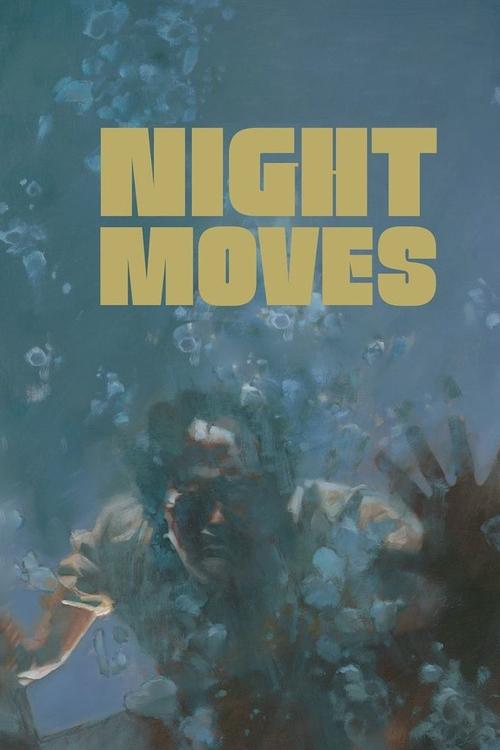


Popular
What is the significance of the character of Harry Moseby in Night Moves?
How does the relationship between Harry Moseby and his wife Ellen evolve in the film?
What role does the character of Paula play in Harry's investigation?
What is the significance of the setting in Los Angeles for the story of Night Moves?
How does the theme of deception manifest through the character interactions in Night Moves?
Should I watch it?
Ask Your Own Question

What is the plot?
Sorry, we aren't able to watch and write up a full detailed plot yet. Check back in a few days.








What is the ending?
In the ending of "Night Moves," private investigator Harry Moseby discovers the truth about the disappearance of a young woman named Delly Grastner. After a series of tense confrontations, he learns that Delly has been killed, and the people involved in her life are not who they seem. The film concludes with Harry feeling disillusioned and isolated, as he grapples with the moral ambiguities of his investigation and the people he has encountered.
As the film approaches its climax, Harry Moseby, played by Gene Hackman, finds himself increasingly entangled in a web of deceit and betrayal. The tension builds as he continues his investigation into the disappearance of Delly Grastner, a young woman who has drawn him into a world of danger and moral ambiguity.
In the penultimate scenes, Harry confronts the various characters who have played a role in Delly's life. He learns that Delly's mother, who initially seemed concerned about her daughter's well-being, is not as innocent as she appears. The revelation that Delly has been murdered hits Harry hard, shattering any illusions he had about the case. The emotional weight of this discovery is palpable; Harry's face reflects a mix of anger, sadness, and a sense of futility.
The final confrontation occurs at a secluded location where Harry meets with the key players involved in the case. The atmosphere is thick with tension as he pieces together the events that led to Delly's demise. The characters reveal their true motivations, and Harry realizes that he has been manipulated throughout the investigation. The sense of betrayal is profound, as he grapples with the realization that the people he trusted were not only dishonest but also dangerous.
In the closing moments of the film, Harry is left alone, standing in the shadows of the night. The weight of his discoveries hangs heavily on him, and he is confronted with the stark reality of his profession and the moral complexities it entails. The camera lingers on his face, capturing the deep sense of disillusionment and isolation that has come to define his character.
As the credits roll, the fate of the main characters is laid bare: Delly is dead, a victim of the very world Harry sought to understand; her mother is complicit in the deception; and Harry, once a man of action, is left to ponder the futility of his efforts. The film closes on a haunting note, leaving the audience with a lingering sense of unease about the nature of truth and the darkness that can lurk beneath the surface of human relationships.
Is there a post-credit scene?
The movie "Night Moves," produced in 1975, does not have a post-credit scene. The film concludes without any additional scenes or content after the credits roll. The story wraps up with a sense of ambiguity and unresolved tension, reflecting the film's overall themes of disillusionment and the complexities of human relationships. The final moments leave the audience contemplating the fate of the protagonist, Harry Moseby, and the moral ambiguities he faces throughout the narrative.
What is the significance of the character of Harry Moseby in Night Moves?
Harry Moseby, played by Gene Hackman, is a private investigator whose personal and professional lives intertwine throughout the film. His character is marked by a sense of disillusionment and a quest for truth, which drives him to take on a case involving a missing person. As he delves deeper into the investigation, his motivations shift from mere professional duty to a more personal quest for understanding, reflecting his internal struggles and the complexities of his relationships.
How does the relationship between Harry Moseby and his wife Ellen evolve in the film?
Harry's relationship with his wife Ellen, portrayed by Susan Clark, is strained and filled with tension. Initially, they appear to be distant, with Harry often preoccupied by his work. As the story progresses, their interactions reveal underlying issues of trust and fidelity. Ellen's frustration with Harry's emotional detachment culminates in a confrontation that highlights their marital discord, ultimately leading to a sense of isolation for Harry as he becomes more engrossed in his investigation.
What role does the character of Paula play in Harry's investigation?
Paula, played by Melanie Griffith, is a pivotal character in Harry's investigation. Initially introduced as a young woman with a mysterious background, she becomes a key figure in the case of the missing person. Her flirtatious demeanor and enigmatic nature draw Harry in, complicating his feelings and motivations. As he uncovers more about her past, Paula's character serves as a catalyst for Harry's own introspection and moral dilemmas, blurring the lines between professional duty and personal desire.
What is the significance of the setting in Los Angeles for the story of Night Moves?
The setting of Los Angeles in Night Moves plays a crucial role in establishing the film's atmosphere and themes. The city is depicted as a sprawling, sun-soaked landscape that contrasts with the darker elements of the narrative. The locations, from the beaches to the urban sprawl, reflect Harry's internal conflict and sense of alienation. The glamorous yet superficial nature of Los Angeles serves as a backdrop for Harry's investigation, emphasizing the disconnection between appearances and reality.
How does the theme of deception manifest through the character interactions in Night Moves?
Deception is a central theme in Night Moves, manifesting through the interactions between characters. Harry encounters various individuals who present false fronts, including Paula and the wealthy couple he investigates. Each character's hidden motives and secrets create a web of lies that Harry must navigate. This theme of deception not only drives the plot forward but also forces Harry to confront his own truths, leading to moments of self-reflection and moral ambiguity.
Is this family friendly?
"Night Moves," produced in 1975, is not considered family-friendly due to its mature themes and content. Here are some potentially objectionable or upsetting aspects:
-
Adult Themes: The film explores complex themes such as infidelity, existential despair, and moral ambiguity, which may be difficult for children to understand.
-
Sexual Content: There are scenes that involve sexual situations and nudity, which may be inappropriate for younger viewers.
-
Violence: The film contains moments of violence and tension that could be unsettling, including confrontations and the implications of crime.
-
Substance Use: Characters are depicted engaging in drinking and smoking, which may not be suitable for children.
-
Emotional Distress: The protagonist experiences significant emotional turmoil and existential crises, which could be distressing for sensitive viewers.
Overall, the film's tone and subject matter are geared towards an adult audience, making it unsuitable for children.