











Popular
What is the significance of the samurai's sword in Ghost Warrior?
How does the samurai end up in the modern world?
What motivates the character of the female lead, who becomes involved with the samurai?
What challenges does the samurai face in adapting to modern society?
How does the samurai's past influence his actions in the present?
Should I watch it?
Ask Your Own Question

What is the plot?
Sorry, we aren't able to watch and write up a full detailed plot yet. Check back in a few days.



What is the ending?
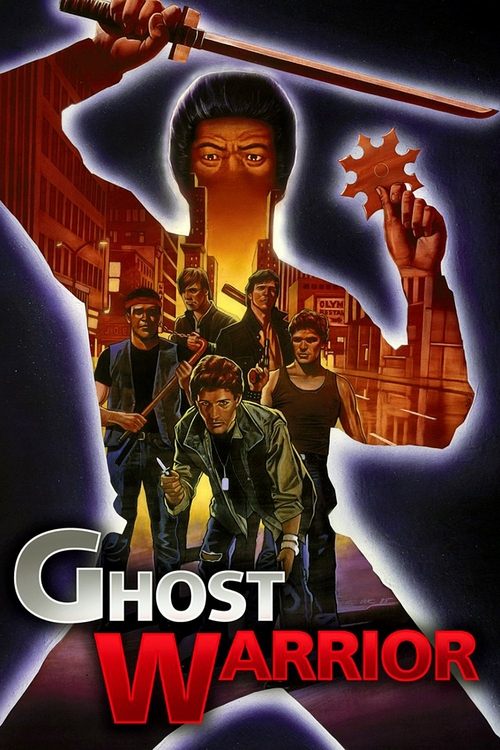
In the ending of "Ghost Warrior," the samurai warrior, who has been awakened from a centuries-long slumber, faces off against the modern world and ultimately sacrifices himself to save the woman he loves. The film concludes with a poignant moment of loss and the realization of the clash between ancient honor and contemporary life.
As the climax unfolds, the samurai, known as Yamoto, finds himself in a high-stakes confrontation with a group of modern-day criminals who threaten the safety of his love interest, a woman named Christine. In a fierce battle, Yamoto showcases his exceptional swordsmanship, taking down several adversaries with grace and precision. However, the fight takes a toll on him, and he is ultimately mortally wounded.
In his final moments, Yamoto shares a heartfelt connection with Christine, expressing his love and the weight of his journey through time. He acknowledges the impossibility of their worlds merging but finds solace in the bond they have formed. As he succumbs to his injuries, Christine is left devastated, holding him as he passes away, symbolizing the tragic intersection of their lives.
The film closes with Christine mourning the loss of Yamoto, reflecting on the fleeting nature of time and love, and the enduring spirit of the samurai.
As the final act of "Ghost Warrior" unfolds, the tension escalates dramatically. The scene opens in a dimly lit warehouse, where the modern-day criminals, led by a ruthless gang leader, are preparing to execute their nefarious plans. The atmosphere is thick with anticipation and danger, as the camera pans over the menacing figures, their faces illuminated by flickering lights.
Yamoto, the samurai who has been thrust into this unfamiliar world, stands resolute, his traditional armor gleaming under the harsh light. His eyes, filled with determination and a hint of sorrow, reflect the weight of his mission: to protect Christine, the woman who has shown him kindness and understanding in this strange time. He knows that the stakes are high, and the love he feels for her drives him forward.
As the confrontation begins, the scene shifts to a chaotic melee. Yamoto draws his katana, the blade glinting ominously as he faces off against the gang members. Each movement is fluid and precise, a testament to his training and the honor of his warrior spirit. The sound of clashing metal fills the air, punctuated by the grunts and shouts of the combatants. Yamoto's internal struggle is palpable; he is a man out of time, fighting not just for survival but for the love that has blossomed in the most unlikely of circumstances.
The battle rages on, and Yamoto's skill is on full display as he dispatches several foes with a combination of speed and grace. However, the tide turns when he is ambushed by multiple attackers. Despite his prowess, he is overwhelmed, and a brutal fight ensues. The camera captures the intensity of the moment, focusing on Yamoto's fierce expression as he fights against the odds, embodying the spirit of a true samurai.
In a pivotal moment, he manages to save Christine from imminent danger, but not without sustaining serious injuries. As he collapses to the ground, the world around him begins to fade. Christine rushes to his side, her face a mixture of fear and desperation. She cradles him in her arms, tears streaming down her cheeks as she pleads for him to hold on. The emotional weight of the scene is heavy, as the audience witnesses the profound connection that has developed between them.
Yamoto, with labored breaths, looks into Christine's eyes, and in that moment, the barriers of time and culture dissolve. He expresses his love for her, a love that transcends the centuries that separate them. His voice is soft, filled with a bittersweet acceptance of their fate. He knows that their worlds cannot coexist, yet he finds peace in the bond they have forged.
As Yamoto takes his last breath, the camera lingers on Christine's anguished face, capturing the raw emotion of loss. The warehouse, once a battleground, now feels like a sacred space, echoing with the memories of their brief but impactful time together. The scene fades to black, leaving the audience with a sense of longing and the realization of the tragic beauty of their love story.
In the final moments of the film, Christine is left alone, surrounded by the remnants of the battle. The weight of her grief is palpable as she reflects on the fleeting nature of their connection. The screen fades to a somber tone, emphasizing the themes of love, sacrifice, and the inevitable passage of time. The fate of Yamoto is sealed; he has returned to the annals of history, a ghost warrior forever remembered in the heart of the woman he loved.
Is there a post-credit scene?
The movie "Ghost Warrior," produced in 1984, does not have a post-credit scene. The film concludes without any additional scenes or content after the credits roll. The story wraps up with the resolution of the main plot, focusing on the fate of the samurai warrior and the modern characters involved in the narrative. The absence of a post-credit scene aligns with the film's straightforward storytelling approach, leaving the audience with the finality of the events that have transpired.
What is the significance of the samurai's sword in Ghost Warrior?
The samurai's sword symbolizes honor, tradition, and the warrior's code. It is a crucial element that connects the samurai to his past and serves as a reminder of his duty and the values he upholds.
How does the samurai end up in the modern world?
The samurai, known as Yoshimitsu, is accidentally awakened from a centuries-long frozen state after a group of scientists discovers him in a glacier. This event propels him into the modern world, where he struggles to adapt to contemporary life.
What motivates the character of the female lead, who becomes involved with the samurai?
The female lead, a journalist named Christine, is initially driven by curiosity and a desire to uncover the truth about the samurai's origins. As she spends time with him, her motivations shift towards a deep emotional connection, leading her to empathize with his struggles and the cultural clash he faces.
What challenges does the samurai face in adapting to modern society?
The samurai faces numerous challenges, including language barriers, cultural misunderstandings, and the stark contrast between his code of honor and the often chaotic and morally ambiguous modern world. His inability to comprehend modern technology and social norms creates both comedic and poignant moments.
How does the samurai's past influence his actions in the present?
The samurai's past, filled with honor and duty, heavily influences his actions in the present. He often reflects on his former life, which drives him to uphold his values even when faced with modern dilemmas. His internal conflict between his warrior instincts and the realities of contemporary life creates tension throughout the film.
Is this family friendly?
"Ghost Warrior," produced in 1984, contains several elements that may not be considered family-friendly. Here are some potentially objectionable or upsetting aspects:
-
Violence: The film features scenes of combat and sword fighting, which can be graphic and intense. Characters engage in battles that may include bloodshed and injury.
-
Death: There are moments depicting the death of characters, which could be distressing for younger viewers or sensitive individuals.
-
Supernatural Themes: The film involves themes of reincarnation and the supernatural, which may be unsettling for some children.
-
Mature Themes: The storyline includes elements of revenge and conflict that may be complex and difficult for younger audiences to understand.
-
Cultural Context: The film's setting in feudal Japan and its portrayal of samurai culture may include themes of honor and sacrifice that could be heavy for younger viewers.
These elements contribute to a tone that may not be suitable for all audiences, particularly children.






