





















Popular
What motivates the character Pierre Niemans in his investigation?
How does the character Max Kerkerian contribute to the investigation?
What is the significance of the setting in the film, particularly the remote village?
What role does the ancient cult play in the plot?
How does the relationship between Niemans and Kerkerian evolve throughout the film?
Should I watch it?
Ask Your Own Question

What is the plot?
Sorry, we aren't able to watch and write up a full detailed plot yet. Check back in a few days.





What is the ending?
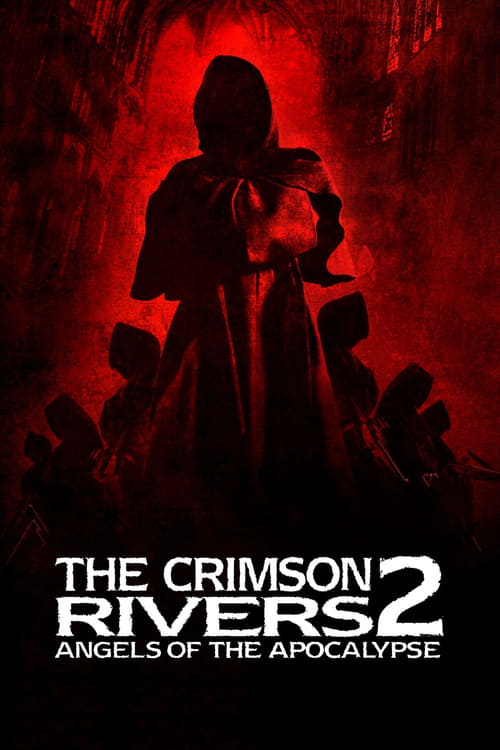
In the ending of "The Crimson Rivers," detective Pierre Niemans confronts the true identity of the killer, who is revealed to be a member of a secretive cult. The film culminates in a tense showdown, leading to a tragic conclusion where Niemans is forced to confront the darkness within humanity. The fate of the characters is sealed as the cult's influence is exposed, but the emotional scars remain.
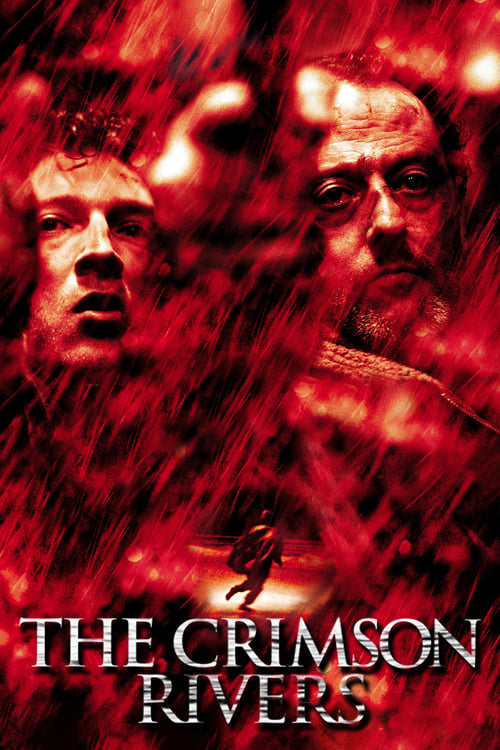
As the film approaches its climax, the tension escalates. Pierre Niemans, portrayed by Jean Reno, is deeply entrenched in the investigation of a series of gruesome murders linked to a prestigious university in the French Alps. He has been working alongside a younger detective, Max Kerkerian, played by Vincent Cassel, who is equally determined to uncover the truth.
Scene by scene, the narrative unfolds:
The first scene of the ending begins with Niemans and Kerkerian racing against time to prevent further bloodshed. They have uncovered a series of clues that lead them to a hidden chamber beneath the university, where the cult conducts its dark rituals. The atmosphere is thick with dread as they navigate the dimly lit corridors, the walls echoing with the whispers of the past.
As they delve deeper, they discover the remains of the cult's previous victims, a chilling reminder of the horrors that have transpired. Niemans, driven by a mix of professional duty and personal demons, feels the weight of the lives lost pressing down on him. His determination to bring justice is palpable, but so is the fear of what they might find.
In a pivotal moment, they confront the cult leader, who reveals the twisted ideology that has driven the murders. The leader, cloaked in shadows, speaks of purity and sacrifice, his words laced with a chilling conviction. Niemans, fueled by anger and a sense of righteousness, challenges the leader, leading to a physical confrontation. The fight is brutal, showcasing Niemans' resilience and the desperation of the cult to maintain their grip on power.
As the struggle reaches its peak, Kerkerian finds himself in a precarious situation, caught between saving Niemans and confronting the cult members who have surrounded them. In a moment of bravery, he manages to free Niemans, but not without sustaining injuries that leave him vulnerable. The bond between the two detectives is tested, revealing their contrasting approaches to justice--Niemans, the seasoned veteran, and Kerkerian, the idealistic newcomer.
In the final moments, the cult's hold is broken, but not without a cost. The police arrive just in time to apprehend the remaining cult members, but the emotional toll on Niemans and Kerkerian is evident. Niemans, having faced the darkness of humanity, is left grappling with the implications of what he has witnessed. The camera lingers on his face, capturing the mixture of relief and sorrow as he realizes that justice has been served, but at a great personal price.
Kerkerian, though injured, survives the ordeal, but the experience has changed him. He looks to Niemans, seeking reassurance and understanding, but the weight of their shared trauma hangs heavily in the air. The film closes with a haunting image of the crimson rivers, a metaphor for the bloodshed and the scars left behind, as Niemans walks away, forever altered by the events that have transpired.
In summary, the ending of "The Crimson Rivers" encapsulates the struggle between light and darkness, the quest for justice, and the emotional aftermath of confronting evil. Each character is left to navigate their own path forward, marked by the experiences that have irrevocably changed them.
Is there a post-credit scene?
The movie "The Crimson Rivers," released in 2000, does not have a post-credit scene. The film concludes with the resolution of the main plot, focusing on the investigation led by the two protagonists, Pierre Niemans and Max Kerkerian, as they uncover the dark secrets surrounding a series of murders in a remote French town. The ending ties up the narrative threads without any additional scenes or hints at future developments after the credits roll.
What motivates the character Pierre Niemans in his investigation?
Pierre Niemans, played by Jean Reno, is a dedicated and intense police detective driven by a strong sense of justice and a personal quest for truth. His motivation is further fueled by the mysterious and gruesome nature of the murders he investigates, which evoke a deep emotional response in him, as he seeks to uncover the dark secrets hidden within the small town.
How does the character Max Kerkerian contribute to the investigation?
Max Kerkerian, portrayed by Vincent Cassel, is a young and impulsive detective who initially appears to be a loose cannon. However, his character evolves as he becomes a crucial ally to Niemans. His resourcefulness and unconventional methods provide valuable insights into the case, and his emotional struggles with his own past add depth to his character, making him a key player in unraveling the mystery.
What is the significance of the setting in the film, particularly the remote village?
The remote village serves as a haunting backdrop for the film, amplifying the sense of isolation and foreboding. Its dark, gothic architecture and the surrounding mountains create an atmosphere of claustrophobia and tension, reflecting the characters' internal struggles and the sinister events unfolding. The village's secrets are intertwined with the murders, making it a character in its own right.
What role does the ancient cult play in the plot?
The ancient cult is central to the plot, representing the dark history and hidden rituals that connect the murders. As Niemans and Kerkerian delve deeper into the investigation, they uncover the cult's disturbing practices and its influence on the community. This revelation adds layers of complexity to the narrative, as it intertwines the past with the present, revealing how deeply rooted the cult's impact is on the characters and the town.
How does the relationship between Niemans and Kerkerian evolve throughout the film?
The relationship between Niemans and Kerkerian evolves from initial tension and distrust to a strong partnership built on mutual respect. Niemans, with his experience and stoicism, initially views Kerkerian's brashness as a liability. However, as they face the horrors of the case together, they learn to rely on each other's strengths, leading to a bond that transcends their differences and highlights their shared commitment to uncovering the truth.
Is this family friendly?
"The Crimson Rivers," directed by Mathieu Kassovitz, is a dark thriller that contains several elements that may not be suitable for children or sensitive viewers. Here are some potentially objectionable or upsetting aspects:
-
Graphic Violence: The film features scenes of murder and violence, including the discovery of mutilated bodies, which can be quite disturbing.
-
Murder Investigation: The central plot revolves around a series of gruesome murders, which may be unsettling for younger audiences.
-
Dark Themes: The film explores themes of obsession, revenge, and the darker aspects of human nature, which may be heavy for children.
-
Intense Atmosphere: The overall tone of the movie is dark and suspenseful, with a pervasive sense of dread that could be frightening.
-
Strong Language: There are instances of strong language that may not be appropriate for younger viewers.
-
Psychological Tension: The film builds a significant amount of psychological tension, which could be anxiety-inducing for sensitive individuals.
These elements contribute to the film's mature rating and may not be suitable for a family-friendly viewing experience.







