
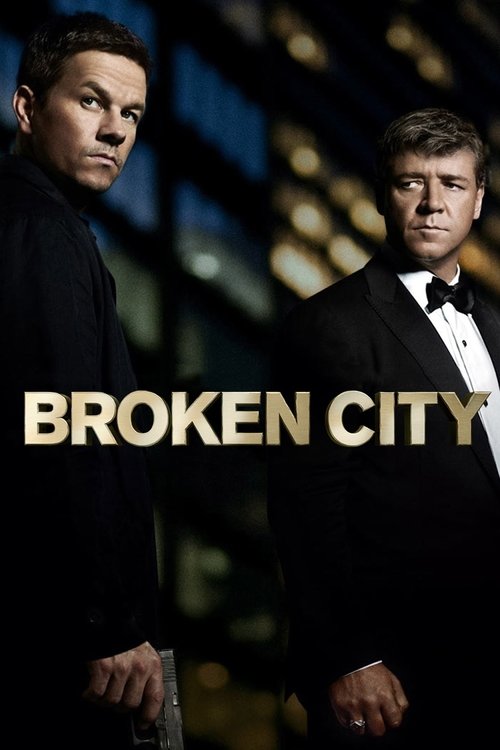



































Popular
What motivates Billy Taggart to take on the job of following Cathleen Madison?
How does Billy Taggart's relationship with his girlfriend, Natalie, evolve throughout the film?
What role does Mayor Nick Hostetler play in the unfolding events of the story?
What is the significance of the evidence Billy discovers about Cathleen Madison?
How does the character of Cathleen Madison impact Billy Taggart's journey?
Should I watch it?
Ask Your Own Question

What is the plot?
Sorry, we aren't able to watch and write up a full detailed plot yet. Check back in a few days.

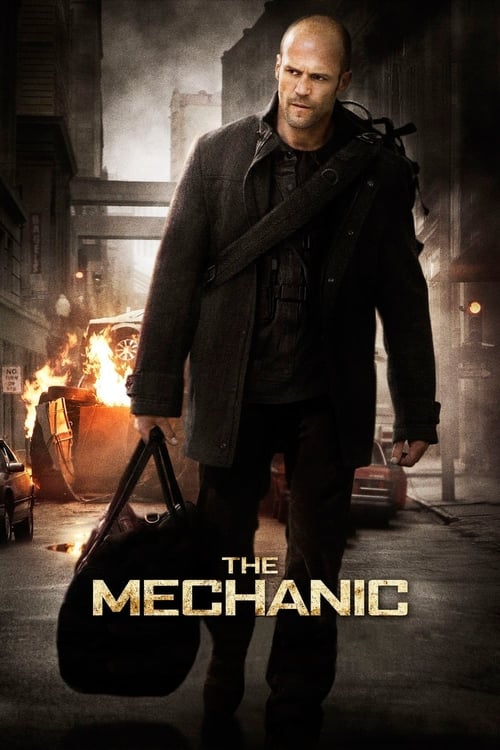

What is the ending?
In the ending of "Broken City," Billy Taggart confronts Mayor Nick Hostetler about the corruption and deceit that have plagued the city. After a tense showdown, Taggart exposes Hostetler's wrongdoings, leading to the mayor's downfall. The film concludes with Taggart reflecting on his choices and the state of the city, hinting at a new beginning for him.
As the climax of "Broken City" unfolds, the tension reaches a boiling point. Billy Taggart, played by Mark Wahlberg, finds himself in a dimly lit room, the air thick with anticipation. He has gathered the evidence he needs to confront Mayor Nick Hostetler, portrayed by Russell Crowe. The stakes are high; Taggart's investigation into the mayor's corruption has led him down a treacherous path, and now he stands at the precipice of truth.
The scene shifts to a confrontation between Taggart and Hostetler. The mayor, confident and composed, tries to manipulate the narrative, but Taggart, fueled by a mix of anger and determination, pushes back. He reveals the extent of Hostetler's corruption, detailing how the mayor has been involved in a web of deceit, including the murder of a key witness. The tension crackles in the air as Taggart's voice rises, filled with righteous indignation.
Hostetler, realizing the gravity of the situation, attempts to maintain his facade of control. He tries to intimidate Taggart, but the private investigator stands firm, his resolve unyielding. The emotional stakes are palpable; Taggart is not just fighting for justice but also for his own redemption after being wrongfully accused of a crime in the past. The audience can feel the weight of his journey as he confronts the man who has manipulated the city for his own gain.
As the confrontation escalates, Taggart's determination leads him to make a bold move. He records their conversation, capturing Hostetler's admissions of guilt. This act of defiance is a turning point, symbolizing Taggart's transformation from a man haunted by his past to one who is ready to take a stand for what is right. The camera captures the intensity of the moment, focusing on Taggart's steely gaze and Hostetler's faltering confidence.
In the aftermath of this confrontation, the narrative shifts to the fallout from Taggart's revelations. The scene transitions to a press conference where the mayor's corruption is exposed to the public. News reporters swarm, and the atmosphere is electric with the promise of change. Hostetler's downfall is imminent, and the city begins to buzz with the hope of a new beginning. The camera pans over the crowd, capturing the mix of shock and relief on the faces of the citizens who have long suffered under Hostetler's rule.
As the dust settles, Taggart reflects on his journey. He stands alone, looking out over the city he has fought to protect. The emotional weight of his choices hangs heavy in the air. He has not only uncovered the truth but has also found a sense of purpose. The film closes with Taggart contemplating his future, hinting at the possibility of a new chapter in his life, one where he can finally move past his troubled past and embrace a new role in the city.
In the final moments, the fates of the main characters are revealed. Mayor Hostetler faces the consequences of his actions, his political career in ruins. The once-powerful figure is now a symbol of corruption, brought down by his own greed. Taggart, on the other hand, emerges as a reluctant hero, having navigated the murky waters of betrayal and deceit. His journey is one of redemption, and as he walks away from the chaos, there is a sense of hope for both him and the city he has fought to save. The screen fades to black, leaving the audience with a lingering sense of possibility amidst the brokenness.
Is there a post-credit scene?
The movie "Broken City," released in 2013, does not have a post-credit scene. After the film concludes, there are no additional scenes or content that follow the credits. The story wraps up with the resolution of the main plot, leaving no further narrative developments or surprises for the audience after the credits roll.
What motivates Billy Taggart to take on the job of following Cathleen Madison?
Billy Taggart, a former police officer, is motivated by a mix of desperation and a desire for redemption. After being dismissed from the police force for a controversial shooting, he struggles to find his place in the world. When Mayor Nick Hostetler offers him a job to follow Cathleen Madison, the mayor's wife, Billy sees it as an opportunity to regain his footing and prove himself, despite the moral ambiguity of the task.
How does Billy Taggart's relationship with his girlfriend, Natalie, evolve throughout the film?
Billy's relationship with Natalie is strained as he becomes increasingly embroiled in the investigation of Cathleen Madison. Initially supportive, Natalie grows concerned about Billy's choices and the danger he puts himself in. As Billy delves deeper into the corruption surrounding the mayor, Natalie feels neglected and worries about the ethical implications of his actions, leading to tension and conflict between them.
What role does Mayor Nick Hostetler play in the unfolding events of the story?
Mayor Nick Hostetler is a central figure in the plot, representing the corrupt political landscape of the city. He initially hires Billy Taggart to follow his wife, but as the story progresses, it becomes clear that he has ulterior motives. Hostetler's manipulation and deceit drive much of the conflict, as he attempts to maintain his power and cover up his own wrongdoings, ultimately leading to a confrontation with Billy.
What is the significance of the evidence Billy discovers about Cathleen Madison?
The evidence Billy uncovers about Cathleen Madison reveals a deeper conspiracy involving the mayor and the city's corruption. Initially, he believes he is simply following her for the mayor, but as he digs deeper, he finds connections to a larger scheme that threatens not only Cathleen but also the integrity of the city. This discovery shifts Billy's perspective, pushing him to confront the moral implications of his actions and the corrupt system he is entangled in.
How does the character of Cathleen Madison impact Billy Taggart's journey?
Cathleen Madison serves as a catalyst for Billy Taggart's transformation throughout the film. Initially seen as just a subject of surveillance, she becomes a symbol of the corruption and complexity of the world he is navigating. As Billy learns more about her struggles and the truth behind her situation, he begins to empathize with her, which complicates his mission and forces him to confront his own values and the consequences of his choices.
Is this family friendly?
"Broken City," released in 2013, is not considered family-friendly due to its mature themes and content. Here are some potentially objectionable or upsetting aspects that may affect children or sensitive viewers:
-
Violence: The film contains scenes of physical altercations, gun violence, and the aftermath of violent events, which may be disturbing.
-
Strong Language: There is frequent use of profanity throughout the film, which may not be suitable for younger audiences.
-
Adult Themes: The narrative explores themes of corruption, infidelity, and betrayal, which may be complex and unsettling for children.
-
Sexual Content: There are scenes that imply sexual situations and infidelity, which may be inappropriate for younger viewers.
-
Moral Ambiguity: The characters often operate in morally gray areas, which could be confusing or distressing for sensitive viewers.
Overall, the film's tone and subject matter are geared towards an adult audience, making it less suitable for children.






