


















Popular
What happens to the main character, Tatyana, during her investigation of the alien creature?
How does Konstantin's relationship with the alien creature evolve throughout the film?
What role does the military play in the events of the film?
How does Tatyana's past influence her actions and decisions in the film?
What is the significance of the alien creature's appearance and behavior?
Should I watch it?
Ask Your Own Question

What is the plot?
Sorry, we aren't able to watch and write up a full detailed plot yet. Check back in a few days.




What is the ending?
In the ending of "Sputnik," the protagonist, Tatyana, confronts the alien entity that has been residing within the astronaut, Konstantin. After a tense struggle, she manages to separate the alien from Konstantin, but the creature ultimately kills Konstantin. Tatyana is left with the choice of either killing the alien or allowing it to escape, leading to a haunting conclusion where she must grapple with the consequences of her actions.
Expanded Narrative:
As the climax of "Sputnik" unfolds, Tatyana finds herself in the sterile, dimly lit confines of the research facility, where the tension is palpable. The atmosphere is thick with dread as she prepares to confront the alien entity that has been living inside Konstantin, the astronaut who returned from space with a dark secret. The facility is eerily quiet, save for the distant hum of machinery, amplifying the sense of isolation and urgency.
In a pivotal scene, Tatyana enters the containment chamber where Konstantin is restrained. He is visibly distressed, his eyes wide with fear and desperation. The alien, a grotesque, otherworldly creature, is revealed to be a parasitic entity that has taken control of his body. Tatyana's heart races as she realizes the full extent of the horror they are facing. She feels a mix of empathy for Konstantin, who is trapped within his own body, and fear of the alien that has caused so much suffering.
As Tatyana engages with Konstantin, she sees flashes of his humanity, his memories, and the pain he has endured. He pleads with her to help him, to free him from the alien's grasp. Tatyana's internal conflict intensifies; she is torn between her scientific curiosity and her moral obligation to save a life. The emotional weight of the moment is heavy, and she knows that the stakes are higher than ever.
In a desperate attempt to save Konstantin, Tatyana devises a plan to extract the alien. The scene is fraught with tension as she uses a series of medical instruments, her hands trembling with fear and determination. The alien fights back, manifesting its power and rage, creating a chaotic struggle within the chamber. Tatyana's resolve is tested as she battles not only the alien but also her own fears and doubts.
As the extraction reaches its climax, Konstantin's body convulses violently, and Tatyana watches in horror as the alien is finally expelled. However, the victory is short-lived. In a tragic turn of events, the alien, now free, retaliates against Konstantin, killing him in a brutal and heart-wrenching moment. Tatyana's scream echoes through the chamber, a mix of grief and horror as she realizes the cost of her actions.
In the aftermath, Tatyana is left alone with the alien, which now stands before her, pulsating and alive. She faces a critical decision: to kill the creature or let it escape into the world. The weight of this choice hangs heavily in the air, symbolizing the broader themes of humanity's relationship with the unknown and the consequences of scientific exploration. Tatyana's expression is one of anguish as she grapples with the implications of her decision.
Ultimately, Tatyana chooses to let the alien go, believing that it may hold the key to understanding the universe, despite the risks it poses. As the alien slips away into the darkness, Tatyana is left standing in the chamber, haunted by the loss of Konstantin and the knowledge that she has unleashed something potentially dangerous into the world. The film closes on her face, a mixture of sorrow and resolve, as she contemplates the future and the unknown paths that lie ahead.
In the end, Tatyana is left to bear the emotional burden of her choices, while Konstantin's fate is sealed with his tragic death, and the alien's fate remains uncertain, leaving the audience with a lingering sense of unease and contemplation about the nature of humanity and the unknown.
Is there a post-credit scene?
In the movie "Sputnik" (2020), there is no post-credit scene. The film concludes with a tense and emotional climax, focusing on the aftermath of the events that transpired between the characters and the alien entity. The ending leaves viewers with a sense of ambiguity and reflection on the themes of isolation, fear, and the unknown, but it does not include any additional scenes or revelations after the credits roll.
What happens to the main character, Tatyana, during her investigation of the alien creature?
Tatyana, a psychiatrist, is brought to a secret military facility to evaluate a cosmonaut named Konstantin, who has returned from a space mission with a mysterious entity inside him. As she delves deeper into Konstantin's psyche, she experiences intense emotional turmoil, grappling with her own past traumas and the ethical implications of her work. Her investigation leads her to confront the alien creature, which manifests as a dark, parasitic entity that influences Konstantin's behavior, revealing her own vulnerabilities and fears.
How does Konstantin's relationship with the alien creature evolve throughout the film?
Initially, Konstantin is terrified of the alien presence that has latched onto him, feeling it is a threat to his life and sanity. However, as the story progresses, he begins to form a complex bond with the creature, which offers him a sense of power and control that he lacks in his human life. This relationship becomes increasingly symbiotic, as the creature feeds off his emotions and experiences, leading to a struggle for dominance between Konstantin's humanity and the alien's influence.
What role does the military play in the events of the film?
The military is portrayed as a controlling and secretive force, primarily interested in the alien entity for its potential as a weapon. They are responsible for bringing Tatyana in to assess Konstantin, but their motives are often shrouded in secrecy. As the plot unfolds, the military's actions become increasingly ruthless, prioritizing their agenda over the well-being of the cosmonaut and the psychiatrist, leading to a tense atmosphere filled with paranoia and ethical dilemmas.
How does Tatyana's past influence her actions and decisions in the film?
Tatyana's past is marked by personal loss and trauma, particularly related to her family. This history shapes her empathetic approach to Konstantin, as she sees reflections of her own struggles in his plight. Her unresolved grief and guilt drive her to connect with him on a deeper level, pushing her to confront not only the alien threat but also her own emotional scars, which ultimately influences her decisions throughout the investigation.
What is the significance of the alien creature's appearance and behavior?
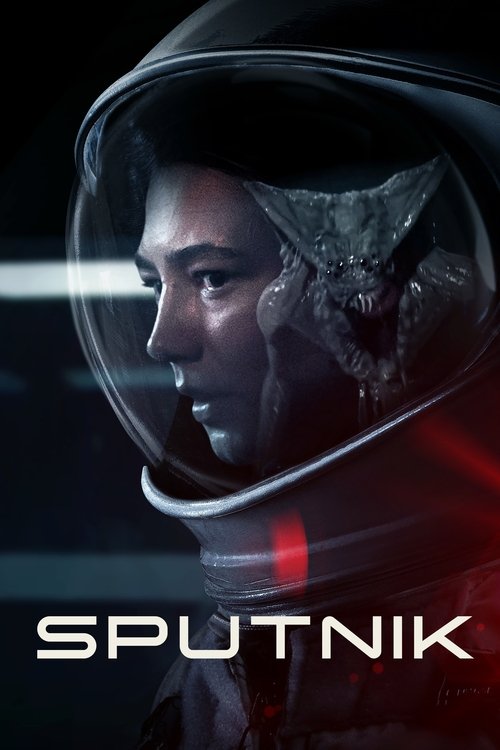
The alien creature is depicted as a dark, amorphous entity that can manipulate its form and is deeply connected to Konstantin's psyche. Its appearance is unsettling, often evoking fear and dread, symbolizing the unknown and the darker aspects of human nature. The creature's behavior is erratic and predatory, reflecting Konstantin's internal struggles and fears, serving as a physical manifestation of his trauma and the consequences of isolation, both in space and in his personal life.
Is this family friendly?
"Sputnik," produced in 2020, is not considered family-friendly due to its intense themes and graphic content. Here are some potentially objectionable or upsetting aspects that may affect children or sensitive viewers:
-
Graphic Violence: The film contains scenes of body horror and violence, including graphic depictions of injuries and the consequences of alien encounters.
-
Psychological Tension: The atmosphere is filled with suspense and psychological horror, which may be unsettling for younger audiences.
-
Themes of Isolation and Fear: The characters experience intense fear and isolation, which can evoke strong emotional responses.
-
Mature Themes: The film explores complex themes such as trauma, survival, and the unknown, which may be difficult for younger viewers to process.
-
Disturbing Imagery: There are moments of unsettling imagery that may be distressing, particularly in relation to the alien presence.
Overall, the film's mature content and intense emotional experiences make it more suitable for adult audiences.









