





Popular
What challenges do the contestants face in the Creature Shop Challenge?
Who are the judges on Jim Henson's Creature Shop Challenge and what are their roles?
What types of creatures do the contestants create throughout the series?
How do the contestants' backgrounds influence their designs in the competition?
What is the significance of the final challenge in the Creature Shop Challenge?
Should I watch it?
Ask Your Own Question

What is the plot?
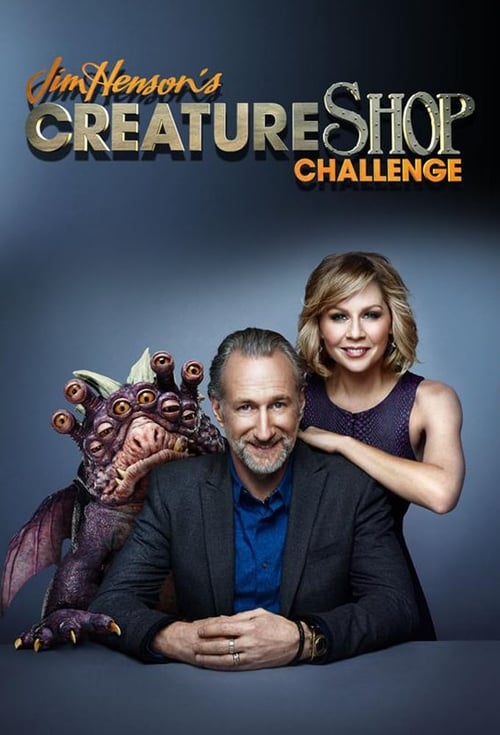
"Jim Henson's Creature Shop Challenge" begins with the introduction of the contestants, a diverse group of talented creature creators, each with their own unique backgrounds and specialties in puppet and creature design. The host, Gigi Edgley, welcomes them to the Creature Shop, where they will face a series of challenges that test their creativity, technical skills, and ability to work under pressure.
In the first episode, the contestants are tasked with creating a creature inspired by a specific theme. They brainstorm ideas, sketch designs, and gather materials. Tensions rise as some contestants struggle with their concepts, while others feel confident in their creations. The contestants work late into the night, and the atmosphere is filled with excitement and anxiety. As the deadline approaches, they present their creatures to the judges, including Brian Henson, who evaluates their work based on creativity, execution, and adherence to the theme.
The judges provide feedback, praising some creations while critiquing others. One contestant is eliminated based on their performance, which creates a sense of urgency among the remaining participants. The emotional weight of the competition begins to set in, as contestants reflect on their passion for creature design and the stakes of the challenge.
In the following episodes, the challenges become increasingly complex. Contestants are tasked with creating animatronic creatures, which require a deeper understanding of mechanics and movement. They collaborate with engineers and technicians to bring their designs to life. Some contestants excel, showcasing their ability to integrate technology with artistry, while others struggle with the technical aspects, leading to frustration and self-doubt.
As the competition progresses, alliances form among contestants, with some offering support and advice to one another, while others become more competitive and secretive about their designs. The emotional dynamics shift as friendships are tested, and rivalries emerge. Contestants face personal challenges, including balancing their creative visions with the judges' expectations.
In a pivotal episode, the contestants are given a surprise challenge that requires them to create a creature that interacts with a live actor. This task pushes their creativity to new heights, as they must consider not only the design but also the performance aspect. The pressure mounts as they work against the clock, leading to moments of panic and breakthroughs. The judges are impressed by the innovative approaches taken by some contestants, while others fall short, resulting in another elimination.
As the finale approaches, the remaining contestants are tasked with creating a fully realized creature for a short film. This challenge encompasses everything they have learned throughout the competition, from design to performance. Contestants pour their hearts into their work, showcasing their unique styles and personal stories through their creatures. The emotional stakes are high, as they reflect on their journeys and the friendships they have formed.
In the final episode, the contestants present their creatures to the judges and a live audience. Each presentation is met with anticipation, as the judges evaluate not only the visual appeal but also the storytelling and emotional impact of each creature. The tension builds as the judges deliberate, and the contestants await their fate.
Ultimately, one contestant is crowned the winner, receiving the opportunity to work at the Jim Henson Creature Shop. The emotional culmination of the competition is felt by all, as the winner celebrates their achievement while the other contestants reflect on their growth and experiences throughout the challenge. The show concludes with a sense of camaraderie among the contestants, highlighting the passion and dedication that drives the world of creature design.









What is the ending?
In the finale of Jim Henson's Creature Shop Challenge, the remaining contestants face off in a final challenge to create a creature that embodies a specific character concept. The judges evaluate their work, and ultimately, one contestant is crowned the winner, earning the opportunity to work at the Jim Henson Creature Shop.
As the final episode unfolds, the atmosphere is charged with anticipation and creativity. The remaining contestants, who have formed bonds and rivalries throughout the competition, are tasked with creating a creature that not only showcases their skills but also tells a story. Each contestant is given a specific character concept to bring to life, and they dive into the challenge with a mix of excitement and anxiety.
Scene 1: The Contestants' Workshop The camera pans over the workshop, filled with tools, materials, and the vibrant energy of creativity. The contestants, including the finalists, are seen sketching their ideas, discussing their concepts, and gathering materials. The tension is palpable as they realize this is their last chance to impress the judges. Each contestant reflects on their journey, revealing their hopes and fears about the final challenge. They share personal stories about what this competition means to them, highlighting their passion for creature design and the legacy of Jim Henson.
Scene 2: The Build As the contestants begin to construct their creatures, the scene shifts to a montage of intense work. We see them sculpting, painting, and assembling their designs. The camera captures close-ups of their hands working meticulously, the sweat on their brows, and the determination in their eyes. Each contestant faces unique challenges: one struggles with a malfunctioning mechanism, another grapples with the color scheme, while a third fights against time to finish their creature. The emotional stakes rise as they push through obstacles, driven by their desire to succeed.
Scene 3: The Presentation The day of the presentation arrives, and the contestants stand nervously in front of the judges. The atmosphere is electric as they unveil their creations, each creature more imaginative than the last. The judges, including Brian Henson, observe closely, taking notes and discussing the merits of each design. The contestants present their creatures, explaining the inspiration behind them and the stories they aim to tell. The camera captures their nervousness and excitement, showcasing their vulnerability as they share their artistic visions.
Scene 4: The Judging After all presentations, the judges deliberate, weighing the creativity, craftsmanship, and storytelling of each creature. The tension builds as the contestants await the final verdict. The judges praise the contestants for their hard work and creativity, but they also provide constructive criticism, emphasizing the importance of storytelling in creature design. The emotional weight of the moment is evident as the contestants reflect on their journeys and the friendships they've formed.
Scene 5: The Winner Announcement Finally, the moment arrives. The host announces the winner of the Creature Shop Challenge. The chosen contestant is overwhelmed with emotion, tears of joy streaming down their face as they realize their dream has come true. The other contestants cheer and embrace the winner, showcasing the camaraderie that has developed throughout the competition. The winner is offered a position at the Jim Henson Creature Shop, a culmination of their hard work and dedication.
Scene 6: The Farewell As the episode concludes, the contestants share heartfelt goodbyes, expressing gratitude for the experience and the friendships they've made. Each contestant reflects on their growth throughout the competition, acknowledging the challenges they faced and the lessons learned. The camera captures their smiles and tears, a bittersweet reminder of the journey they've shared.
In the end, the show highlights the importance of creativity, perseverance, and the bonds formed through shared passion. Each contestant leaves with a sense of accomplishment, having pushed their limits and embraced their love for creature design. The winner steps into a new chapter, ready to contribute to the legacy of Jim Henson and the magic of creature creation.
Is there a post-credit scene?
Jim Henson's Creature Shop Challenge does not have a post-credit scene. The show, which aired in 2014, focuses on the competition among talented creature creators as they design and build puppets and animatronics. Each episode culminates in a challenge where contestants present their creations, and there is a clear conclusion to each episode without any additional scenes after the credits. The format emphasizes the creative process and the emotional stakes of the competition, but it does not include any post-credit content.
What challenges do the contestants face in the Creature Shop Challenge?
The contestants face a series of challenges that test their skills in creature design and fabrication. Each episode features a specific theme or requirement, such as creating a creature that can perform a specific function or embody a certain character trait. They must work under tight deadlines, often with limited resources, which adds to the pressure and intensity of the competition.
Who are the judges on Jim Henson's Creature Shop Challenge and what are their roles?
The judges on the show include Brian Henson, the son of Jim Henson and a key figure in the Henson Company, who provides insights based on his extensive experience in puppetry and creature effects. Additionally, there are guest judges from the film and television industry who evaluate the contestants' work based on creativity, functionality, and adherence to the challenge requirements.
What types of creatures do the contestants create throughout the series?
Throughout the series, contestants create a wide variety of creatures, including fantastical beasts, whimsical characters, and realistic animals. Each creature is designed to showcase the contestants' unique artistic vision and technical skills, often incorporating elements like animatronics, puppetry, and innovative materials to bring their creations to life.
How do the contestants' backgrounds influence their designs in the competition?
The contestants come from diverse backgrounds, including special effects, puppetry, and fine arts, which significantly influences their design approaches. Some may lean towards more traditional puppetry techniques, while others might incorporate modern technology or artistic styles, leading to a rich variety of interpretations and creative solutions in their creature designs.
What is the significance of the final challenge in the Creature Shop Challenge?
The final challenge is particularly significant as it culminates in the contestants creating a large-scale creature that must not only be visually stunning but also functional and performative. This challenge tests everything they have learned throughout the competition, pushing them to showcase their best work while also demonstrating their ability to collaborate and adapt under pressure.
Is this family friendly?
"Jim Henson's Creature Shop Challenge" is generally considered family-friendly, as it showcases creativity, teamwork, and the art of puppetry and creature design. However, there are a few aspects that might be potentially objectionable or upsetting for children or sensitive viewers:
-
Competition Pressure: The contestants face intense pressure and stress as they compete against each other, which may be unsettling for some viewers, especially younger children who might not understand the competitive nature.
-
Elimination: The format includes the elimination of contestants, which can be emotional and may evoke feelings of disappointment or sadness, particularly for younger viewers who may empathize with the eliminated participants.
-
Creatures and Designs: Some of the creature designs can be quite bizarre or unsettling, as they are meant to be imaginative and sometimes grotesque. This might be off-putting for sensitive viewers.
-
Time Constraints: The contestants often work under tight deadlines, leading to moments of frustration and anxiety, which could be distressing for some children.
Overall, while the show promotes creativity and problem-solving, the competitive elements and the nature of some creature designs may require parental guidance for younger audiences.