








































Popular
How does Hannah's character evolve throughout the film?
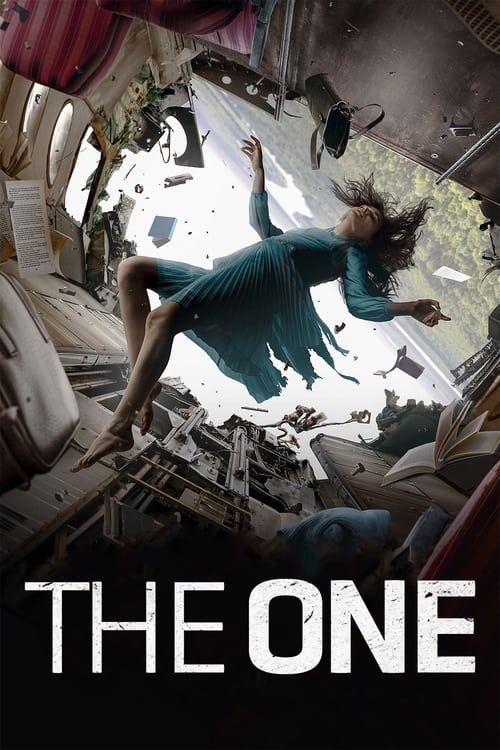
What is the main conflict that drives the story in The One?
What role do the alternate versions of Hannah play in the story?
Who is the antagonist in The One, and what are their motivations?
What significant choices does Hannah make that impact the plot?
Should I watch it?
Ask Your Own Question

What is the plot?
Sorry, we aren't able to watch and write up a full detailed plot yet. Check back in a few days.


What is the ending?
In the ending of "The One," the protagonist, a woman named Hannah, confronts her doppelgänger, a darker version of herself, in a climactic battle. After a fierce struggle, Hannah manages to defeat her counterpart, but not without significant emotional and physical toll. The film concludes with Hannah embracing her true self, having learned to accept her flaws and the complexities of her identity.
As the final act unfolds, the scene opens in a dimly lit warehouse, where Hannah stands, breathing heavily, her heart racing as she prepares for the confrontation with her doppelgänger. The atmosphere is thick with tension, shadows dancing across the walls as flickering lights cast an eerie glow. Hannah's internal struggle is palpable; she is not just fighting for her life but for her very essence, grappling with the fear of losing herself to the darker side that her doppelgänger represents.
The doppelgänger, a reflection of Hannah's insecurities and regrets, emerges from the shadows, her presence commanding and menacing. The two women circle each other, eyes locked in a battle of wills. Hannah's determination is fierce, fueled by a desire to reclaim her identity and prove that she is more than the sum of her fears. The fight begins, a whirlwind of physicality and emotion, each blow exchanged echoing the internal conflict raging within Hannah.
As the battle intensifies, the warehouse becomes a battleground not just of physical strength but of emotional resilience. Hannah recalls moments from her past--her struggles, her triumphs, and the love she has for those around her. Each memory serves as a reminder of who she truly is, bolstering her resolve. The doppelgänger taunts her, attempting to sow doubt, but Hannah's spirit remains unyielding.
In a pivotal moment, Hannah finds herself cornered, the doppelgänger poised to deliver a final blow. But instead of fighting back with anger, Hannah reaches deep within herself, embracing her vulnerabilities. She speaks words of acceptance, acknowledging the darkness within her but refusing to let it define her. This moment of clarity shifts the tide of the battle; with newfound strength, she counters the attack, ultimately overpowering her doppelgänger.
As the dust settles, Hannah stands victorious but visibly shaken. The warehouse, once a place of confrontation, now feels like a sanctuary of self-discovery. She looks down at her defeated counterpart, a mix of relief and sorrow washing over her. In that moment, she understands that the fight was not just against her doppelgänger but against the parts of herself she had long tried to suppress.
The film concludes with Hannah stepping out of the warehouse into the light of a new day. The sun rises, casting a warm glow that symbolizes hope and renewal. She takes a deep breath, feeling a sense of liberation as she embraces her true self, flaws and all. The emotional weight of her journey is evident in her expression; she has emerged stronger, wiser, and more authentic.
In the final scenes, we see glimpses of Hannah's life post-confrontation. She reconnects with loved ones, her relationships deepened by her newfound understanding of herself. The film closes on a note of optimism, emphasizing the importance of self-acceptance and the journey of embracing one's identity, no matter how complex it may be. Each character's fate is intertwined with Hannah's growth, as they too reflect the themes of acceptance and resilience that resonate throughout the story.
Is there a post-credit scene?
In the movie "The One," produced in 2022, there is indeed a post-credit scene that adds an intriguing layer to the narrative.
As the credits roll, the screen fades to black before transitioning to a dimly lit room filled with high-tech equipment. A figure is seen hunched over a computer, their face obscured by shadows. The atmosphere is tense, with the soft hum of machinery and the flickering of screens illuminating the space.
The figure suddenly straightens up, revealing a determined expression. They begin typing rapidly, and the camera zooms in on the screen, which displays a series of complex algorithms and images of various parallel universes. The character mutters to themselves about the potential of harnessing the multiverse, hinting at a larger plan that could have significant implications for the characters and the world they inhabit.
As the scene progresses, a notification pops up on the screen, indicating a new anomaly detected in one of the universes. The figure smirks, a glint of ambition in their eyes, suggesting that the story is far from over and that new challenges await. The scene ends with a close-up of the character's hand reaching for a device, leaving viewers with a sense of anticipation and curiosity about what might come next.
This post-credit scene effectively sets the stage for potential sequels or further exploration of the multiverse concept introduced in the film, leaving audiences eager for more.
How does Hannah's character evolve throughout the film?
Hannah begins as a seemingly ordinary woman, struggling with her identity and purpose. As she encounters different versions of herself, she grapples with her fears and insecurities. Her journey leads her to embrace her strengths and confront her darker aspects, ultimately transforming her into a more confident and empowered individual who fights for her existence and the lives of her alternate selves.
What is the main conflict that drives the story in The One?
The main conflict in The One revolves around the protagonist, a woman named Hannah, who discovers that she is part of a multiverse where multiple versions of herself exist. The central tension arises when a malevolent version of herself from another universe seeks to eliminate all other versions to become the singular 'One' who possesses all the power and abilities of the multiverse.
What role do the alternate versions of Hannah play in the story?
The alternate versions of Hannah serve as reflections of her potential paths and choices. Each version embodies different traits, strengths, and weaknesses, showcasing the complexity of her character. They also highlight the stakes of the conflict, as the malevolent version seeks to eliminate them, forcing Hannah to confront not only her adversary but also the parts of herself she has yet to accept.
Who is the antagonist in The One, and what are their motivations?
The antagonist in The One is the dark version of Hannah, known as 'The One.' Her motivation stems from a desire for ultimate power and control over the multiverse. She believes that by eliminating all other versions of herself, she can achieve a state of perfection and dominance, driven by a deep-seated fear of inadequacy and a longing for validation.
What significant choices does Hannah make that impact the plot?
Hannah makes several pivotal choices that shape the narrative. One key decision is to confront her alternate selves rather than run from them, which leads to crucial alliances and insights. Additionally, she chooses to embrace her vulnerabilities, allowing her to harness the strengths of her alternate versions in the final confrontation against her dark counterpart, ultimately determining the fate of the multiverse.
Is this family friendly?
The One, produced in 2022, contains several elements that may not be considered family-friendly. Here are some potentially objectionable or upsetting aspects:
-
Violence: The film features intense action sequences that include physical confrontations, which may be graphic and unsettling for younger viewers.
-
Emotional Conflict: Characters experience significant emotional turmoil, including themes of betrayal, loss, and existential dread, which could be distressing for sensitive audiences.
-
Dark Themes: The narrative explores complex themes such as identity, sacrifice, and the consequences of choices, which may be difficult for children to fully understand or process.
-
Mature Language: There are instances of strong language that may not be appropriate for younger audiences.
-
Intense Situations: The film includes moments of high tension and suspense that could be frightening for children or those who are sensitive to such scenarios.
These elements contribute to a tone that may not be suitable for all viewers, particularly younger children or those who are easily upset by intense emotional or physical content.








