
















Popular
What role does Sir Edward Grey play in the events leading up to World War I in 37 Days?
How does the assassination of Archduke Franz Ferdinand impact the characters in 37 Days?
What is the significance of the July Ultimatum in the narrative of 37 Days?
How do the personal relationships between characters influence the political decisions in 37 Days?
What are the reactions of the German leaders to the unfolding crisis in 37 Days?
Should I watch it?
Ask Your Own Question

What is the plot?
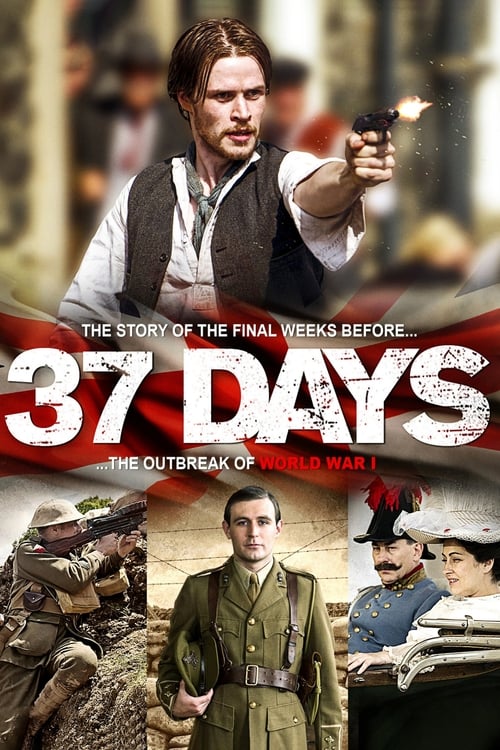
In the summer of 1914, the story begins in a tense atmosphere across Europe, where various nations are on the brink of conflict. The narrative introduces key figures, including British Foreign Secretary Sir Edward Grey, who is deeply concerned about the rising tensions. Grey is depicted as a man burdened by the weight of his responsibilities, aware that the fragile peace in Europe is at risk. He engages in discussions with other political leaders, emphasizing the need for diplomacy to prevent war.
The assassination of Archduke Franz Ferdinand of Austria in June 1914 serves as the catalyst for the unfolding events. The news of the assassination reaches various European capitals, igniting a series of diplomatic crises. Austria-Hungary, feeling threatened, issues an ultimatum to Serbia, which is seen as a direct challenge. The tension escalates as Serbia's response is deemed insufficient, leading Austria-Hungary to declare war on Serbia on July 28, 1914.
As the conflict begins, the narrative shifts to the reactions of other nations. Russia mobilizes its army in defense of Serbia, which prompts Germany to declare war on Russia on August 1, 1914. The German leadership, particularly Kaiser Wilhelm II and his military advisors, are portrayed as eager to assert their power, believing that a swift victory is possible. The decision to go to war is depicted as a culmination of years of militaristic buildup and nationalistic fervor.
Britain's involvement becomes inevitable when Germany invades Belgium on August 4, 1914, violating its neutrality. Sir Edward Grey, along with Prime Minister Herbert Asquith, faces the difficult decision of whether to enter the war. Grey is shown grappling with the moral implications of inaction, ultimately deciding that Britain must honor its commitment to Belgium and declare war on Germany. The emotional weight of this decision is palpable, as Grey understands the devastating consequences that war will bring.
As the war begins, the narrative explores the impact on various characters, including soldiers and their families. The emotional turmoil of those left behind is highlighted, showcasing the fear and uncertainty that grips the nation. Families receive news of their loved ones being sent to the front lines, and the sense of loss and sacrifice becomes a recurring theme throughout the story.
The plot progresses through the early battles of World War I, illustrating the brutal realities of trench warfare. Soldiers face unimaginable conditions, and the narrative does not shy away from depicting the physical and psychological toll of combat. The camaraderie among the troops is contrasted with the horrors they witness, creating a complex emotional landscape for the characters involved.
As the war drags on, the political landscape shifts further. The narrative delves into the internal struggles of leaders as they grapple with the consequences of their decisions. Sir Edward Grey's character is further developed, showcasing his growing disillusionment with the war and the toll it takes on his spirit. The weight of responsibility becomes increasingly burdensome as he witnesses the devastation wrought by the conflict.
The story culminates in the realization that the war is far from over, with no clear resolution in sight. The characters are left to confront the harsh realities of a world irrevocably changed by the events set in motion by the assassination of Archduke Franz Ferdinand. The emotional and physical scars of war are evident, leaving a lasting impact on all involved. The narrative closes on a somber note, reflecting the profound consequences of the decisions made in those fateful 37 days that led to the outbreak of World War I.









What is the ending?
In the ending of "37 Days," the tensions in Europe culminate in the outbreak of World War I. The main characters, including Sir Edward Grey, Kaiser Wilhelm II, and others, face the consequences of their decisions as the war begins. The final scenes depict the somber realization of the impending conflict and the personal and political ramifications of their actions.
As the narrative unfolds, the final moments of "37 Days" are steeped in a heavy atmosphere of inevitability. The screen opens with a somber tone, reflecting the weight of the decisions made by the leaders of Europe. Sir Edward Grey, the British Foreign Secretary, is seen pacing in his office, the flickering candlelight casting shadows that mirror the uncertainty of the times. His face is etched with concern, knowing that the diplomatic efforts have failed, and war is looming.
Scene transitions to Berlin, where Kaiser Wilhelm II is depicted in a state of agitation. He is surrounded by military advisors, their faces grim as they discuss the mobilization of troops. The tension in the room is palpable, with the Kaiser's frustration boiling over as he grapples with the consequences of his earlier decisions. His internal conflict is evident; he is torn between his desire for power and the realization that his actions may lead to catastrophic outcomes.
Back in London, Grey receives news of the assassination of Archduke Franz Ferdinand, which serves as the catalyst for the impending war. The urgency in his demeanor escalates as he communicates with other leaders, desperately trying to avert disaster. The emotional weight of his responsibility is clear; he feels the burden of history pressing down on him, knowing that the fate of millions hangs in the balance.
The narrative then shifts to the streets of Europe, where the public is largely unaware of the impending doom. Scenes of everyday life contrast sharply with the discussions of war among the leaders. Families are seen enjoying their lives, oblivious to the dark clouds gathering on the horizon. This juxtaposition highlights the tragic disconnect between the political elite and the common people.
As the final days of diplomacy unravel, the characters are shown grappling with their choices. Grey's determination to maintain peace is met with resistance, and he is ultimately forced to accept that war is inevitable. The emotional toll on him is profound; he is a man who has dedicated his life to diplomacy, now facing the grim reality of failure.
In the concluding scenes, the declaration of war is announced. The atmosphere is heavy with despair as the characters come to terms with the consequences of their actions. Grey stands alone in his office, the weight of the world on his shoulders, while Kaiser Wilhelm II is seen in a moment of reflection, realizing that his ambitions have led to a path of destruction.
The final moments of "37 Days" encapsulate the tragic irony of the situation. The characters, once powerful leaders, are now mere players in a game that has spiraled out of control. The screen fades to black, leaving the audience with a haunting sense of the cost of war and the fragility of peace.
In summary, the fates of the main characters are sealed in the context of their decisions. Sir Edward Grey is left to grapple with the consequences of failed diplomacy, while Kaiser Wilhelm II faces the reality of a war that will change the course of history. The narrative closes on a somber note, emphasizing the profound impact of their choices on the world stage.
Is there a post-credit scene?
The TV show "37 Days," produced in 2014, does not feature a post-credit scene. The series concludes its narrative without any additional scenes after the credits roll. The focus remains on the intense and dramatic events leading up to the outbreak of World War I, emphasizing the political tensions and personal struggles of the key figures involved. The final moments of the series encapsulate the gravity of the decisions made during that pivotal time, leaving viewers with a sense of the impending conflict rather than any additional narrative developments.
What role does Sir Edward Grey play in the events leading up to World War I in 37 Days?
Sir Edward Grey, the British Foreign Secretary, is portrayed as a pivotal character in '37 Days.' He is deeply concerned about the escalating tensions in Europe and the potential for war. His internal struggle is evident as he navigates the complex political landscape, trying to maintain peace while recognizing the inevitability of conflict. Grey's emotional state fluctuates between hope and despair as he witnesses the failure of diplomacy and the growing militarism among the nations.
How does the assassination of Archduke Franz Ferdinand impact the characters in 37 Days?
The assassination of Archduke Franz Ferdinand serves as the catalyst for the unfolding crisis in '37 Days.' Characters such as Sir Edward Grey and other political leaders react with a mix of shock and urgency. Grey's immediate concern is to prevent a larger conflict, and he feels the weight of responsibility as he attempts to rally support for peace. The emotional turmoil is palpable as the characters grapple with the consequences of this act, leading to a series of diplomatic failures that escalate tensions.
What is the significance of the July Ultimatum in the narrative of 37 Days?
The July Ultimatum, issued by Austria-Hungary to Serbia, is a critical plot point in '37 Days.' It represents the breakdown of diplomatic relations and the hardening of positions among the European powers. Characters like Grey and other diplomats are shown in intense discussions, weighing the implications of the ultimatum. The emotional stakes rise as they realize that this ultimatum could lead to war, and their desperation to find a peaceful resolution becomes increasingly evident.
How do the personal relationships between characters influence the political decisions in 37 Days?
In '37 Days,' personal relationships among key figures, such as Sir Edward Grey and his counterparts, significantly influence political decisions. The camaraderie and trust built over years of diplomacy are tested as tensions rise. Grey's friendships with other leaders, such as the German Chancellor, are strained, and moments of vulnerability reveal their fears and hopes for peace. These personal dynamics add depth to the narrative, showcasing how emotions can sway critical decisions in the face of impending war.
What are the reactions of the German leaders to the unfolding crisis in 37 Days?
The German leaders, particularly Kaiser Wilhelm II and Chancellor Bethmann Hollweg, exhibit a mix of confidence and anxiety in '37 Days.' Initially, they believe they can control the situation, but as events spiral out of their control, their reactions shift to concern about the potential for a wider conflict. The internal conflict within the German leadership is palpable, as they grapple with their ambitions and the looming threat of war, reflecting a sense of foreboding that permeates their discussions.
Is this family friendly?
"37 Days," produced in 2014, is a historical drama that explores the events leading up to World War I. While it is a significant and educational portrayal of history, it may not be entirely family-friendly for younger viewers or sensitive individuals due to several aspects:
-
War Themes: The series delves into the political tensions and the lead-up to war, which can be intense and may evoke feelings of anxiety or fear about conflict.
-
Violence and Death: There are discussions and depictions of violence, including the consequences of war, which may be distressing. While graphic violence is not the focus, the implications of war and its impact on society are present.
-
Political Intrigue: The series features complex political maneuvering and betrayal, which may be difficult for younger audiences to fully understand and could lead to confusion or frustration.
-
Emotional Turmoil: Characters experience significant emotional struggles, including fear, betrayal, and loss, which may resonate deeply and could be upsetting for sensitive viewers.
-
Historical Context: The portrayal of historical figures and events may include themes of nationalism, imperialism, and the moral dilemmas faced by leaders, which could provoke thoughtful but potentially heavy discussions.
Overall, while "37 Days" is a compelling narrative, its themes and emotional weight may not be suitable for all children or sensitive viewers.