





























Popular
What are the main conflicts faced by the character Bibiana in O Tempo e o Vento?
How does the character of Capitão Rodrigo evolve throughout the series?
What role does the setting of the Brazilian countryside play in the story?
What is the significance of the family legacy in O Tempo e o Vento?
How does the relationship between Bibiana and Capitão Rodrigo develop throughout the series?
Should I watch it?
Ask Your Own Question

What is the plot?
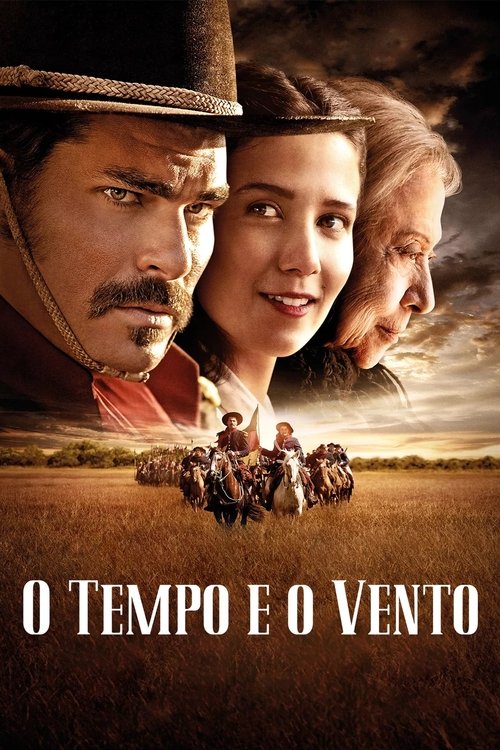
The story begins in the late 19th century in the southern Brazilian region of Rio Grande do Sul, where the narrative introduces the main character, the strong-willed and determined young woman, Bibiana. She is the daughter of a wealthy landowner, and her life is marked by the expectations of her family and society. Bibiana is torn between her duty to her family and her desire for personal freedom.
As the plot unfolds, Bibiana meets the charming and passionate young man, the gaucho, and revolutionary figure, Capitão Rodrigo. Their initial encounter is filled with tension and attraction, as they share a deep connection that transcends their social classes. Bibiana is captivated by Rodrigo's adventurous spirit, which contrasts sharply with her sheltered life. This relationship becomes a central focus of the story, driving Bibiana to question her role in society.
Bibiana's family, particularly her father, disapproves of her relationship with Rodrigo, viewing him as an unsuitable match due to his lower social standing. Despite her father's objections, Bibiana's feelings for Rodrigo deepen, leading her to secretly meet him. Their romance flourishes amidst the backdrop of political unrest, as Brazil is on the brink of revolution. The tension between personal desires and societal expectations becomes increasingly pronounced.
As the political situation escalates, Rodrigo becomes involved in the revolutionary movement, fighting for the rights of the gauchos against the oppressive government. His commitment to the cause pulls him away from Bibiana, creating a rift in their relationship. Bibiana struggles with her feelings of abandonment and the fear of losing Rodrigo to the violence of war. She is torn between her love for him and her loyalty to her family, who expect her to marry a more suitable suitor.
In a pivotal moment, Bibiana decides to defy her family's wishes and pursue her love for Rodrigo. She secretly joins him in the revolutionary camp, where she witnesses the harsh realities of war. The camp is filled with men preparing for battle, and the atmosphere is charged with a mix of hope and despair. Bibiana's presence among the soldiers is met with skepticism, but her determination to stand by Rodrigo's side earns her respect.
As the war intensifies, Rodrigo is injured in battle, and Bibiana's resolve is tested. She cares for him, nursing him back to health while grappling with the dangers surrounding them. Their bond strengthens during this time, but the threat of betrayal looms as rival factions within the revolution begin to emerge. Bibiana learns of a plot against Rodrigo, which forces her to make a difficult decision: to protect him at all costs or to flee to safety.
In a dramatic confrontation, Bibiana confronts the leaders of the rival faction, risking her life to warn Rodrigo of the impending danger. The tension escalates as she navigates the treacherous political landscape, ultimately leading to a climactic battle. The fight is chaotic, with gunfire and chaos erupting around them. Rodrigo, fueled by his love for Bibiana, fights fiercely, but the cost of war becomes painfully evident as friends fall and loyalties are tested.
The aftermath of the battle leaves both Rodrigo and Bibiana changed. They are forced to confront the realities of their choices and the impact of the war on their lives. Bibiana's family, having suffered losses of their own, begins to understand her commitment to Rodrigo. The emotional toll of the conflict weighs heavily on both characters, leading to moments of doubt and reflection.
As the story progresses, the couple faces further challenges, including betrayal from within their ranks and the harsh realities of post-war life. They must navigate the complexities of rebuilding their lives while holding onto their love for each other. The narrative explores themes of sacrifice, loyalty, and the enduring power of love amidst adversity.
In the final act, Bibiana and Rodrigo's relationship is put to the ultimate test as they confront their past and the choices that have led them to this moment. They must decide whether to continue fighting for their love or to part ways for the sake of their futures. The emotional climax of the story culminates in a heart-wrenching decision that will define their lives forever.
The series concludes with a poignant reflection on the passage of time and the enduring legacy of love and sacrifice. Bibiana and Rodrigo's journey, marked by passion, conflict, and resilience, leaves a lasting impact on their families and the community, symbolizing the struggle for identity and belonging in a changing world.









What is the ending?
In the ending of "O Tempo e o Vento," the story culminates in a poignant resolution that reflects the struggles and legacies of the characters. The narrative concludes with the characters coming to terms with their pasts, the passage of time, and the enduring nature of love and memory.
As the story unfolds, we see the elderly character, the matriarch, reflecting on her life and the generations that have come before her. The final scenes are imbued with a sense of nostalgia and acceptance, as she acknowledges the sacrifices made by her ancestors and the impact of their choices on her present. The film closes with a powerful visual of the landscape, symbolizing the continuity of life and the stories that remain etched in time.
Now, let's delve into the ending in a more detailed, chronological narrative.
The final act begins with the elderly matriarch, who has witnessed the rise and fall of her family through the tumultuous events of history. She stands in her home, surrounded by the remnants of her family's legacy. The walls are adorned with photographs and mementos that tell the story of her ancestors, each item a testament to their struggles and triumphs. As she gazes at these artifacts, a wave of emotion washes over her, and she reflects on the choices that shaped their lives.
In a series of flashbacks, we see key moments from her family's past: the love stories, the conflicts, and the sacrifices made for survival. Each flashback is rich with detail, showcasing the vibrant landscapes of the region, the hardships faced during wars, and the bonds formed in times of adversity. The matriarch's internal monologue reveals her deep sense of connection to her lineage, as she grapples with the weight of their history.
As the narrative progresses, the matriarch gathers her family around her, sharing stories of their ancestors. Her voice trembles with emotion as she recounts tales of bravery and resilience, emphasizing the importance of remembering where they came from. The younger generations listen intently, their expressions a mix of reverence and curiosity. This moment serves as a bridge between the past and the present, highlighting the significance of family ties and the lessons learned from history.
In the final scenes, the matriarch steps outside, where the vast landscape stretches before her. The sun sets, casting a warm glow over the fields, symbolizing the passage of time. She closes her eyes, allowing the memories to wash over her, feeling the presence of her ancestors in the wind. The camera pans out, capturing the beauty of the land that has witnessed their stories unfold.
As the film draws to a close, we see the matriarch's fate intertwined with the legacy of her family. She finds peace in the knowledge that their stories will continue to live on through her descendants. The final shot lingers on the horizon, a reminder that while time may change the world, the essence of love and memory remains eternal.
In summary, the ending of "O Tempo e o Vento" encapsulates the themes of legacy, memory, and the enduring nature of familial bonds. Each character's journey culminates in a moment of reflection and acceptance, reinforcing the idea that while time moves forward, the stories of those who came before us continue to shape our lives.
Is there a post-credit scene?
The 2014 adaptation of "O Tempo e o Vento" does not include a post-credit scene. The series concludes its narrative without any additional scenes after the credits roll, focusing instead on wrapping up the storylines of its central characters and the overarching themes of time, memory, and the impact of history on personal lives. The final moments emphasize the emotional weight of the characters' journeys, leaving viewers with a sense of closure regarding their fates and the legacy of the land they inhabit.
What are the main conflicts faced by the character Bibiana in O Tempo e o Vento?
Bibiana, a strong-willed and determined woman, faces numerous conflicts throughout the series. One of her primary struggles is against the societal expectations of women in her time, as she seeks to assert her independence and make her own choices. Additionally, she grapples with the tumultuous relationship with her husband, who often undermines her strength. Bibiana's internal conflict is marked by her desire for love and acceptance, juxtaposed with her fierce independence and the need to protect her family.
How does the character of Capitão Rodrigo evolve throughout the series?
Capitão Rodrigo begins as a passionate and impulsive man, driven by his desires and ambitions. His character evolves as he faces the consequences of his actions, particularly during the conflicts of the War of the Farrapos. As the series progresses, Rodrigo experiences moments of vulnerability and reflection, leading him to question his motivations and the impact of his choices on those he loves. His journey is marked by a struggle between his pride and the need for redemption, ultimately shaping him into a more complex and introspective character.
What role does the setting of the Brazilian countryside play in the story?
The Brazilian countryside serves as a vivid backdrop that influences the characters' lives and decisions. The lush landscapes and harsh realities of rural life reflect the struggles and resilience of the characters, particularly during times of conflict. The setting is not just a physical space but also a character in itself, embodying the beauty and brutality of nature. It shapes the characters' relationships, their sense of identity, and their connection to their heritage, making it integral to the narrative.
What is the significance of the family legacy in O Tempo e o Vento?
The family legacy is a central theme in O Tempo e o Vento, particularly through the character of the patriarch, the old man who represents the weight of history and tradition. The struggles of the younger generations to uphold or break free from this legacy create tension and drive the plot. Characters like Bibiana and Capitão Rodrigo are constantly navigating their familial ties, with their actions often influenced by the expectations and burdens of their ancestors. This legacy shapes their identities and decisions, highlighting the interplay between personal desires and familial obligations.
How does the relationship between Bibiana and Capitão Rodrigo develop throughout the series?
Bibiana and Capitão Rodrigo's relationship is complex and tumultuous, marked by passion, conflict, and deep emotional ties. Initially, their attraction is intense, fueled by a shared sense of adventure and rebellion against societal norms. However, as the series progresses, their relationship is tested by external conflicts, personal ambitions, and differing values. Bibiana's desire for independence clashes with Rodrigo's possessiveness, leading to moments of estrangement and reconciliation. Their journey reflects the broader themes of love, sacrifice, and the struggle for personal identity within the confines of marriage.
Is this family friendly?
"O Tempo e o Vento," produced in 2014, is a dramatic adaptation of the literary work by Érico Veríssimo, exploring themes of love, conflict, and the passage of time through the lens of a family saga in southern Brazil. While the show is rich in storytelling and visual beauty, it does contain some elements that may be considered objectionable or upsetting for children or sensitive viewers.
-
Violence and Conflict: The series depicts historical conflicts, including battles and personal confrontations, which may include scenes of violence that could be distressing.
-
Death and Loss: Characters experience significant loss, including the death of loved ones, which is portrayed with emotional weight and may evoke strong feelings of grief.
-
Emotional Turmoil: The characters undergo intense emotional struggles, including betrayal, heartbreak, and despair, which may be difficult for younger viewers to process.
-
Social Issues: The narrative touches on themes of social inequality and the impact of historical events on families, which may introduce complex topics that require careful discussion.
-
Romantic Relationships: There are romantic entanglements that may include mature themes, such as infidelity and unrequited love, which could be inappropriate for younger audiences.
Overall, while "O Tempo e o Vento" is a beautifully crafted story, its themes and content may not be suitable for all children or sensitive viewers without parental guidance.