


Loading additional questions...
Popular
What are the main challenges faced by the characters in their quest to understand the volcano's behavior?
How does the relationship between the lead scientist and the local community evolve throughout the series?
What specific events lead to the climax of the series regarding the volcano's eruption?
How do the personal lives of the characters intersect with the scientific narrative of the volcano?
What role does the historical context of the volcano play in the characters' understanding of its behavior?
Should I watch it?
Ask Your Own Question

What is the plot?








What is the ending?
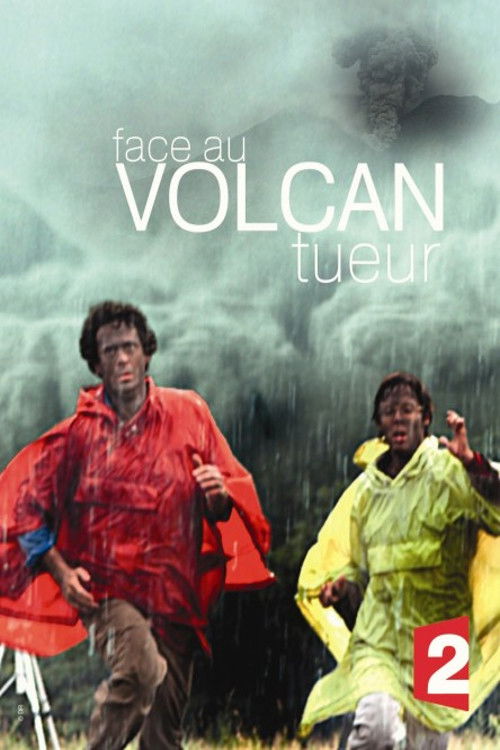
In the ending of "Face au volcan tueur," the characters face the catastrophic eruption of the volcano. As the situation escalates, they must confront their fears and make critical decisions to survive. The film concludes with a sense of urgency and the realization of the power of nature, leaving the characters changed by their experiences.
As the final act unfolds, the camera captures the ominous rumblings of the volcano, a deep, resonating sound that reverberates through the air, signaling the impending disaster. The sky darkens, and ash begins to fall like snow, blanketing the landscape in a foreboding gray. The main characters, a group of scientists and locals, gather in a makeshift command center, their faces etched with worry and determination.
Dr. Pierre, the lead scientist, stands at the forefront, his brow furrowed as he analyzes the data on his laptop. He feels the weight of responsibility pressing down on him; he knows that time is running out. His internal conflict is palpable--he is torn between his duty to save lives and the fear of the unknown. He rallies the group, urging them to evacuate the nearby village before it's too late.
Meanwhile, Marie, a local journalist, captures the unfolding chaos with her camera. Her heart races as she documents the fear and resilience of the villagers. She feels a deep connection to the land and its people, and her motivation shifts from mere reporting to a desire to protect her community. As she interviews villagers, their faces reflect a mix of hope and despair, each person grappling with the reality of leaving their homes behind.
As the eruption begins, the ground shakes violently, and a deafening roar fills the air. The characters scramble to execute their evacuation plan. The scene is chaotic; people are running, shouting, and the air is thick with ash. Dr. Pierre and Marie work together, coordinating the evacuation efforts, their bond strengthening in the face of adversity.
In a pivotal moment, they encounter a family trapped in their home, paralyzed by fear. Dr. Pierre's heart races as he realizes they may not make it out in time. He pushes through the chaos, urging the family to leave. Marie captures this moment, her camera shaking in her hands, reflecting her own fear but also her determination to document the human spirit in crisis.
As the lava begins to flow, the urgency escalates. The group makes a narrow escape, racing against time. The visuals are striking--the fiery orange of the lava contrasting against the darkening sky, the heat palpable even from a distance. The characters' faces are illuminated by the glow, revealing their fear, determination, and a newfound appreciation for life.
In the final moments, as they reach safety, the eruption reaches its peak. The camera pans back to show the village engulfed in flames, a stark reminder of nature's power. Dr. Pierre and Marie stand together, watching the destruction unfold. Their expressions are a mix of relief and sorrow, knowing that while they have survived, their lives will never be the same.
The film concludes with a poignant scene of the survivors coming together, united by their shared experience. They reflect on the fragility of life and the strength of community. Each character has been irrevocably changed; Dr. Pierre has gained a deeper understanding of his role as a scientist, while Marie has transformed from an observer to an active participant in her community's survival.
In the end, the fate of the main characters is one of survival, but they carry the emotional scars of their experience. They emerge from the disaster with a renewed sense of purpose, ready to rebuild and support one another in the aftermath of the eruption. The film closes on a note of resilience, highlighting the enduring human spirit in the face of nature's fury.
Is there a post-credit scene?
What are the main challenges faced by the characters in their quest to understand the volcano's behavior?
The characters face numerous challenges, including the unpredictable nature of the volcano, which exhibits sudden eruptions and dangerous gas emissions. They must navigate treacherous terrain, deal with the emotional toll of potential disaster on their families, and confront their own fears and doubts about their ability to predict and respond to the volcano's activity.
How does the relationship between the lead scientist and the local community evolve throughout the series?
Initially, the lead scientist struggles to gain the trust of the local community, who are skeptical of his warnings about the volcano. As the series progresses, he demonstrates his commitment to their safety through his research and by actively engaging with the community, leading to a gradual shift in their perception of him from an outsider to a trusted ally.
What specific events lead to the climax of the series regarding the volcano's eruption?
The climax is built up through a series of escalating seismic activities, including increased tremors and ash emissions. Key events include the scientist's discovery of a significant change in the volcano's magma chamber and the subsequent decision to evacuate the nearby towns, which creates tension and urgency as the eruption becomes imminent.
How do the personal lives of the characters intersect with the scientific narrative of the volcano?
The personal lives of the characters are deeply intertwined with the scientific narrative, as many of them have family members living in the danger zone. Their motivations are driven by a desire to protect their loved ones, leading to emotional conflicts when scientific data suggests evacuation, but personal attachments make it difficult for some to leave.
What role does the historical context of the volcano play in the characters' understanding of its behavior?
The historical context of the volcano is crucial, as the characters study past eruptions to inform their predictions. They uncover records of previous disasters that highlight the volcano's patterns, which shapes their approach to monitoring its activity and influences their urgency in communicating risks to the community.
Is this family friendly?
"Face au volcan tueur," produced in 2011, is a documentary-style film that explores the dangers and impacts of volcanic eruptions. While it is educational and informative, there are several aspects that may be potentially objectionable or upsetting for children or sensitive viewers.
-
Natural Disasters: The film contains graphic imagery and descriptions of volcanic eruptions, including lava flows, ash clouds, and the destruction they cause to landscapes and communities. This may be frightening for younger viewers.
-
Human Impact: There are scenes depicting the aftermath of eruptions, including the displacement of families and the destruction of homes. The emotional distress of affected individuals may be intense and could evoke feelings of sadness or anxiety.
-
Scientific Explanations: The film includes discussions about the science of volcanology, which may involve complex concepts that could be difficult for children to understand. Some explanations may include the potential for loss of life or injury during eruptions.
-
Environmental Consequences: The documentary addresses the long-term effects of volcanic activity on the environment, which may include discussions of ecological damage and climate impact, potentially leading to feelings of concern or helplessness.
Overall, while the film aims to educate about volcanic activity and its effects, the intense visuals and emotional weight of the subject matter may not be suitable for all children or sensitive viewers. Parental discretion is advised.