


Popular
What specific events lead to the climax of the series?
What are the main challenges faced by the special forces team during their missions?
How does the character of Captain Philippe evolve throughout the series?
What role does teamwork play in the success of the special forces operations?
How do personal relationships among team members impact their performance in the field?
Should I watch it?
Ask Your Own Question

What is the plot?
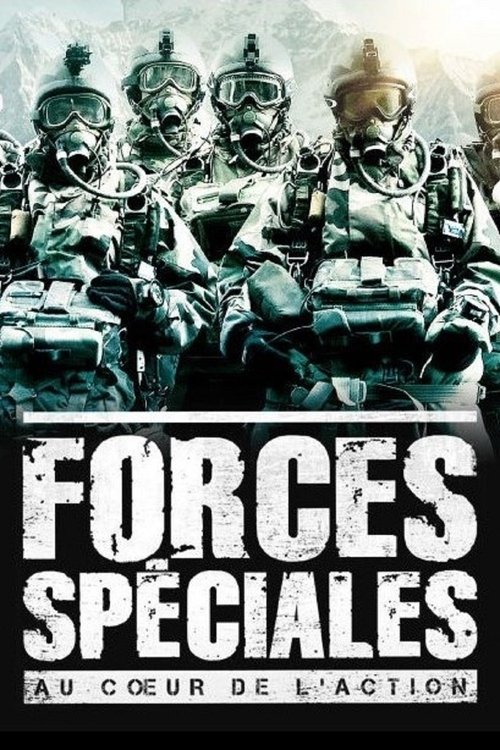
In the opening scenes of "Forces spéciales, au cœur de l'action," a group of elite French special forces operatives is introduced. They are tasked with a high-stakes mission to rescue a French journalist, Elsa, who has been kidnapped by a terrorist group in Afghanistan. The team, led by Captain Philippe, is shown preparing for the operation, showcasing their rigorous training and camaraderie. Each member of the team is introduced, highlighting their unique skills and backgrounds, which sets the stage for their dynamics throughout the mission.
As the team deploys to Afghanistan, they navigate through hostile terrain, demonstrating their tactical expertise. The atmosphere is tense, with the weight of the mission pressing on them. They receive intelligence about the location of the terrorist camp where Elsa is being held. The team discusses their strategy, weighing the risks involved in a direct assault versus a stealth approach. Philippe decides on a covert infiltration to minimize civilian casualties and maximize the chances of a successful rescue.
Upon reaching the vicinity of the camp, the team splits into two groups to create a diversion. One group engages in a firefight with the guards, drawing attention away from the other group, which stealthily approaches the compound. The action is intense, with gunfire and explosions punctuating the night. The operatives display their training, moving with precision and coordination. Philippe's leadership is evident as he communicates effectively with his team, ensuring they remain focused and calm under pressure.
As they breach the compound, they encounter heavy resistance. The team fights their way through, showcasing their combat skills. They face several close calls, with one member, Sergeant Lucas, getting injured during the skirmish. Despite the chaos, they manage to locate Elsa in a makeshift cell. The emotional moment of her rescue is palpable, as she expresses relief and gratitude, but the team knows they must act quickly to escape.
With Elsa in tow, the team begins their retreat. However, the alarm has been raised, and they are pursued by the terrorists. A tense chase ensues, with the team using their training to navigate through the rugged landscape while under fire. Philippe makes the critical decision to split the group again, sending some members to create a distraction while others escort Elsa to safety. This decision highlights his commitment to both the mission and the safety of his team.
As they regroup, they face a final confrontation with the terrorists. The firefight escalates, and the team must rely on their training and trust in one another to survive. Lucas, despite his injury, plays a crucial role in covering their escape, sacrificing his safety for the team. The emotional weight of this decision is felt deeply by the remaining members, particularly Philippe, who grapples with the loss of his comrade.
In the climax of the story, the team finally reaches a safe extraction point, but not without significant losses. The emotional toll of the mission is evident as they reflect on their experiences and the sacrifices made. Philippe, burdened by the weight of leadership and the loss of Lucas, vows to honor his fallen teammate by continuing to fight for those who cannot fight for themselves.
The final scenes depict the team returning to France, where they are met with a mix of relief and sorrow. The emotional aftermath of the mission lingers, as they process their experiences and the impact of their actions. The series concludes with a sense of unresolved tension, hinting at the ongoing struggles faced by special forces operatives in their line of duty.








What is the ending?
In the ending of "Forces spéciales, au cœur de l'action," the elite team of special forces operatives successfully completes their mission to rescue a kidnapped journalist. However, the operation comes at a high cost, leading to significant emotional turmoil among the team members as they grapple with the consequences of their actions.
As the climax unfolds, the team faces intense combat situations, showcasing their skills and camaraderie. Ultimately, they manage to extract the journalist, but not without suffering losses and enduring moral dilemmas that haunt them as they return home.
Now, let's delve into the ending in a more detailed narrative fashion.
The final act begins with the special forces team, led by Captain Philippe, infiltrating the enemy stronghold where the journalist is held captive. The atmosphere is tense, filled with the sounds of distant gunfire and the palpable fear of the unknown. Each member of the team is acutely aware of the stakes; they are not just fighting for a mission but for the life of a fellow human being.
As they navigate through the dark corridors of the compound, the team employs their training, moving stealthily and communicating with hand signals. The camera captures their focused expressions, revealing their determination and the weight of responsibility they carry. The internal conflict is evident on Captain Philippe's face as he reflects on the risks involved, not just for the team but for the journalist who is counting on them.
Upon reaching the room where the journalist is held, they encounter heavy resistance. A fierce firefight ensues, with bullets flying and explosions echoing through the halls. The team works in unison, each member playing a crucial role. The tension escalates as they push forward, their adrenaline pumping, but the emotional toll is visible. They are not just soldiers; they are friends, and the fear of losing one another looms large.
In a pivotal moment, one of the team members, Sergeant Lucas, is injured while covering his teammates. The camera lingers on his face, capturing the pain and determination as he urges them to continue. This moment highlights the bond between the soldiers, showcasing their loyalty and the sacrifices they are willing to make for one another.
After a harrowing battle, they finally reach the journalist, who is weak but alive. The relief is palpable, but it is short-lived as they must now escape the compound, which is under siege. The team fights their way out, but the losses begin to mount. The emotional weight of their mission becomes evident as they realize that not everyone will make it back.
As they reach the extraction point, the team is met with a helicopter, but the situation is dire. They are ambushed one last time, and in the chaos, another team member, Corporal Marie, is fatally wounded. The camera captures the anguish on the faces of her teammates as they realize they have lost a friend. The emotional impact of her sacrifice resonates deeply, leaving the audience to feel the gravity of their choices.
In the final moments, Captain Philippe and the surviving members manage to board the helicopter with the journalist. As they lift off, the camera pans over the battlefield, now silent, a stark contrast to the chaos that just unfolded. The team members sit in silence, their expressions a mix of relief and sorrow. They have completed their mission, but the cost has been high.
The ending leaves the audience with a sense of unresolved emotions. Each character is left to grapple with their experiences, the loss of their comrades, and the moral complexities of their actions. Captain Philippe looks out over the horizon, a mixture of pride and grief etched on his face, symbolizing the heavy burden that comes with being a soldier. The screen fades to black, leaving viewers to reflect on the sacrifices made in the name of duty and the emotional scars that remain long after the mission is over.
Is there a post-credit scene?
For the TV show "Forces spéciales, au cœur de l'action," produced in 2011, there is no post-credit scene. The series concludes its narrative without any additional scenes after the credits roll. The focus remains on the intense and dramatic storylines throughout the episodes, emphasizing the challenges and emotional journeys of the characters involved in special operations. The absence of a post-credit scene allows the audience to reflect on the events and character developments that have unfolded during the series.
What specific events lead to the climax of the series?
The climax of the series is built up through a series of escalating missions that reveal deeper conspiracies and personal stakes for the characters. Key events include a betrayal within the team, a high-stakes hostage situation, and a final confrontation with a formidable enemy, all of which culminate in a tense and emotional showdown that tests their limits.
What are the main challenges faced by the special forces team during their missions?
Throughout the series, the special forces team encounters various challenges, including navigating treacherous terrains, dealing with hostile enemy forces, and managing internal conflicts among team members. Each mission tests their physical endurance and mental resilience, often pushing them to their limits.
How does the character of Captain Philippe evolve throughout the series?
Captain Philippe starts as a confident and somewhat reckless leader, but as the series progresses, he faces the consequences of his decisions, leading to moments of self-doubt and reflection. His character development is marked by a growing sense of responsibility for his team's safety and a deeper understanding of the emotional toll of their missions.
What role does teamwork play in the success of the special forces operations?
Teamwork is crucial in the series, as each member brings unique skills and perspectives to the table. The dynamics of the team are explored through their interactions, highlighting moments of camaraderie, conflict, and ultimately, the necessity of trust and collaboration to overcome obstacles and achieve their objectives.
How do personal relationships among team members impact their performance in the field?
Personal relationships among team members are complex and often strained due to the high-stress environment. These relationships can lead to both support and tension, affecting their performance. For instance, romantic entanglements or past grievances resurface during missions, creating emotional distractions that can jeopardize their success.
Is this family friendly?
"Forces spéciales, au cœur de l'action" is a military-themed television show that delves into the intense and often harrowing experiences of special forces operatives. While it showcases themes of bravery, camaraderie, and sacrifice, there are several aspects that may not be suitable for children or sensitive viewers.
-
Violence and Combat Scenes: The show features realistic depictions of military operations, including gunfights, explosions, and hand-to-hand combat. These scenes can be intense and graphic, potentially distressing for younger audiences.
-
Emotional Trauma: Characters often grapple with the psychological effects of war, including stress, fear, and loss. These emotional struggles can be heavy and may resonate deeply with sensitive viewers.
-
Death and Injury: The series does not shy away from the consequences of combat, including the death and injury of characters. Such moments can be impactful and may evoke strong emotional reactions.
-
Mature Themes: The narrative explores themes of sacrifice, loyalty, and the moral complexities of warfare, which may be difficult for younger viewers to fully understand or process.
-
Language and Conduct: There may be instances of strong language or conduct that reflects the high-stress environment of military life, which could be inappropriate for children.
Overall, while the show aims to portray the valor of special forces, its content may be more suitable for older teens and adults rather than a family-friendly audience.