

















Popular
Why does Erica secretly rewrite Anna’s Barcelona novel instead of translating it faithfully?
How does Nico end up falling for Anna, and when does he realize there is a complication with Erica?
What exactly is the conflict between Anna and Erica once Anna starts noticing the Spanish book is different from her original manuscript?
Why does Nico ask Anna to write a new short story for the festival, and why does this put Anna in such a panic?
How do Anna and Erica try to handle the secret near the Sant Jordi Day festival, and what decision is Anna facing at the end of the story setup?
Should I watch it?
Ask Your Own Question

What is the plot?
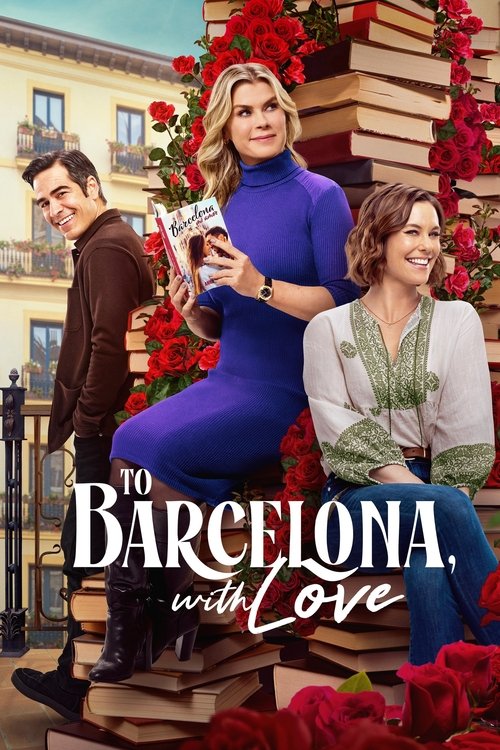
Anna Kelly arrives in Barcelona as the credited author of a novel that is already failing in the United States, and what begins as a routine publicity trip quickly turns into a tangled, quietly explosive romantic deception. Behind the glossy book-tour setup is Erica, an American translator who has lived in Barcelona for ten years and secretly rewritten Anna's Barcelona-set romance into the Spanish version that has become a hit, while Nico, the charming bookseller who falls in love with that Spanish edition, unknowingly pulls the two women into the same emotional orbit.
The story opens with the contrast between Anna's professional embarrassment and Erica's hidden success. Anna's latest romance novel is doing so badly back home that it is already marked down in bookstores, and her publisher has little faith in her after the book's commercial failure. The irony is brutal: she has written a story set in Barcelona, a city she has never actually visited, relying on maps and imagination, while Erica--who actually lives there, works as a literary translator, and knows the city intimately--has taken Anna's text and transformed it. Erica does not merely translate the novel; she rewrites it, layering in local color, symbolism, and emotional nuance that make the Spanish edition feel authentic to Catalan readers. When the book unexpectedly becomes a success in Barcelona, it is not because Anna has suddenly become a better writer, but because Erica has quietly made the story worth reading there.
That success is what brings Nico into the plot. Nico, a handsome Barcelona bookseller and bookstore owner, loves the Spanish edition so much that he wants to celebrate it publicly, and he invites the credited author, Anna, to Barcelona for a signing tied to Sant Jordi Day, the city's annual literary holiday. Sant Jordi Day gives the entire story its romantic pressure cooker: in Barcelona, the tradition is that a person gives someone they love a book and receives a rose in return, so the city is already primed for public declarations, literary affection, and emotional risk. For Anna, the invitation is baffling and flattering at once. Her agent has told her the book is a flop, yet here she is being flown to Barcelona to be adored for it. She accepts, arriving in a city that is both glamorous and destabilizing, where the person who truly understands the book is not the author on the cover but the translator who changed it.
Erica is immediately forced into a dangerous double life. She knows exactly why the novel is beloved, because she is the one who made it resonate, but she cannot claim that credit because of her arrangement with the publisher and a non-disclosure agreement that keeps her name off the project. She has spent years in Barcelona building a life as a translator, perhaps having given up on her own dream of becoming a novelist after an earlier failure, and she has settled into a complicated but comfortable existence. That comfort shatters the moment Anna arrives and Nico begins drawing Anna into the city's literary center, which is his bookstore. Erica is caught between pride and resentment, attraction and guilt, and she has to stand beside the woman whose name has become famous for work Erica secretly made better.
The triangle starts to tighten almost immediately. Anna, grateful for the attention and thrilled by the beauty of Barcelona, finds Nico captivating. He is attentive, witty, and genuinely enthusiastic about her work, and Anna begins to fall for him without understanding the full source of his admiration. At the same time, Erica is painfully aware that Nico has been her closest friend and likely her long-held secret crush, and the film leans into the emotional asymmetry: Nico has known Erica for years, shares easy routines with her, and even watches football with her in a longstanding BFF tradition, yet his attention shifts toward Anna because of the book. That dynamic gives the plot its core sting. The man Erica loves is falling for the wrong woman, and the woman he is falling for is unknowingly occupying Erica's place in a story Erica truly created.
As Anna and Erica spend more time together in Barcelona, the deception becomes harder to hide. The reviews and recap material make clear that Anna eventually realizes the Spanish edition is not the same book she wrote in English. The mismatch is played for comic shock: she notices details she never wrote, including a reference to dolphins, and blurts out the equivalent of, "Dolphins? I don't remember writing anything about dolphins!" That moment is the first real fracture in the charade. Anna's confusion turns into suspicion, then hurt, and Erica is finally pushed toward the truth she has been carrying alone. She admits that she did more than translate the book; she rewrote it completely, and her confession lands with the awkwardness of a secret that has survived only because everyone involved has avoided naming it. One of the descriptions of the revelation captures Erica's panicked admission as, "I didn't mean to!" The line suggests less malicious intent than desperate improvisation: Erica started by trying to help, or to preserve something she loved, and then the altered text took on a life of its own.
The revelation changes everything, but not in the way one might expect from a harsher drama. There is anger, certainly, because Anna has been credited for a version of the story she did not write and has been celebrated for the exact qualities Erica provided. Yet the film's romantic-comedy structure keeps the conflict grounded in embarrassment, longing, and ethical discomfort rather than outright betrayal. Anna and Erica are both attached to words, but they have each been communicating badly in their own way, and the secret exposes how much each woman has been using the other's work as a substitute for honest self-expression. Anna has been pretending to be the sophisticated author of a Barcelona novel she did not authentically create, while Erica has been pretending that she is content to remain invisible behind someone else's name. Their confrontation is not simply about literary authorship; it is about identity.
Nico becomes the third point in that confrontation. He is still pulled toward Anna, but the more he spends time with both women touring Barcelona, the more the film makes it clear that the real chemistry sits between Nico and Erica. The recaps and reviews emphasize that it becomes increasingly obvious to everyone that Erica is the person who should be with Nico, not Anna. That realization grows organically from the story's repeated contrasts: Anna is the outsider dazzled by Barcelona, while Erica belongs there; Anna is the name on the cover, while Erica is the soul in the text; Anna is the person Nico thinks he loves, while Erica is the person who has lived beside him, understood him, and supported him all along. The film turns that irony into emotional suspense, because each scene of Anna and Nico getting closer also deepens Erica's pain.
When Nico asks Anna to write an original short story for the festival, the plot gains a new pressure point. Anna, who has already been exposed as less authentic than the public believes, now faces a task that demands actual originality in front of the very people who have been celebrating a counterfeit success. The request sends her into a panic. Instead of producing a polished literary piece, she drifts into Barcelona's food culture, spending time tasting the city, blogging about the dishes she finds, and slowly discovering that her truest voice may not be romance at all but food criticism. This is a crucial revelation for her character. The story suggests that Anna has been trying to write what she thinks the market wants, or what the romance genre expects, instead of writing from her own instincts. Her wandering through the city's restaurants, markets, and flavors becomes a visual and emotional pivot: the colors of Barcelona, the textures of the food, and the pleasures of everyday life begin to awaken a more honest version of her as a writer. It is also Erica who notices this, recognizing that Anna's authentic voice may lie in food rather than fiction.
Erica, meanwhile, is forced to confront her own abandoned ambitions. The recaps note that she once wanted to publish her own novel but failed years earlier and gave up on the dream. That history makes her role in Anna's success both more bitter and more poignant. She is not just a translator who overstepped; she is someone who once wanted the same recognition Anna now has and has spent years burying that desire beneath competent, invisible labor. Her feelings for Nico are entangled with that frustration. He is the person who sees her in Barcelona, the one who shares her routines and her home city, yet he only begins to look at her romantically when Anna's arrival forces the truth to the surface. The result is a deeply uncomfortable triangle: Erica has created the version of the book Nico loves, Anna receives the praise, and Nico falls for the credited author while Erica watches her own life get reassigned.
The breaking point comes when the secret can no longer be contained. Erica finally tells Anna the full truth--that the words Barcelona readers adore are hers, not Anna's. This confession causes a rift, because it confirms Anna's fear that she has been benefiting from deception and confirms Erica's fear that her invisible labor can never stay hidden forever. Yet the film does not leave them stranded in resentment. As the festival approaches, the two women begin to work together instead of against each other, using their separate strengths to create something new. Erica writes the romance; Anna writes about the food. That collaboration is both practical and symbolic. It suggests that neither woman alone has fully mastered the kind of storytelling Barcelona demands, but together they can produce a narrative that is more truthful than either one could create on her own. It also turns their earlier conflict into a kind of reconciliation through craft: the hidden translator and the failed novelist finally stop competing for ownership and begin sharing authorship in a meaningful way.
The question of credit, however, remains unresolved in public. Because of Erica's contract, she cannot have her name attached to the story they create. That detail preserves the ongoing injustice at the heart of her situation: she helps make the work good, but she still cannot be seen as its author. The film uses that limitation to keep the emotional stakes alive even after the women begin repairing their friendship. Their partnership is real, but it is still constrained by the legal and professional structures that allowed Erica's hidden labor in the first place. The story does not pretend that a single heartfelt confession can erase a system built on misattribution.
Sant Jordi Day brings all of the tensions to a head. On the day of the festival, Anna must choose whether to continue the charade to protect both her own reputation and Erica's, or to tell the truth and risk the entire romantic arrangement, including whatever she feels for Nico. This is the climax of the movie: a public literary holiday, a city full of readers and roses, a bookstore at the center of the celebration, and three people whose relationships have all been built on some version of the same secret. The tension is not physical but moral and emotional. If Anna speaks, she may destroy the illusion that has made the Spanish book a success and expose Erica's unauthorized rewriting; if she stays silent, she preserves the lie but continues living inside it. The reviews frame this as the decisive choice at the heart of the story.
The material available does not provide a full beat-by-beat account of every speech and gesture in the final scene, but it does make the resolution clear. Anna does not remain trapped in the false identity she began with. Instead, the ending centers on honesty, shared creativity, and the recognition that her real talent may lie elsewhere. Erica's feelings for Nico are finally voiced aloud, and Nico asks Erica to translate one final phrase: "Tayo, I love you." Erica answers by confessing her love back to him, bringing their story full circle. That closing exchange is emotionally loaded because it transforms translation from concealment into connection. Earlier in the film, translation is the mechanism of deception--Erica uses it to hide her authorship behind Anna's name. By the end, translation becomes the medium through which love is finally spoken clearly. The person who has spent the entire story rendering someone else's words into another language at last uses that skill to speak her own truth.
The final emotional outcome is less about scandal than about recognition. Anna comes to understand that her authentic writing voice is not the polished romance persona the market wanted, but a more grounded, sensory voice shaped by food and lived experience. Erica and Nico, now aligned by honesty rather than misdirection, are able to acknowledge the bond that had been building beneath the entire plot. Anna and Erica no longer stand on opposite sides of ownership and credit; they emerge as collaborators who have both been changed by the revelation. There are no deaths, no violent showdowns, and no tragic losses in the story. Instead, the climax resolves through confession, mutual understanding, and a reordering of loyalties.
By the end, Barcelona is no longer just the backdrop for a lie. It becomes the place where each character is forced to see herself clearly. Anna learns that her best writing may come from the parts of her life that are most immediate and sincere. Erica learns that invisibility is not the same as peace, and that her long-buried love for Nico cannot remain unspoken forever. Nico learns that the person he admires and the person he loves are not always the same at first glance, and that the story he thought he was reading has been authored by someone standing just outside the frame. The Sant Jordi celebration, with its books and roses, closes the film not as a punishment for the deception but as a public affirmation that truth, however messy, is finally the only way forward.
More Movies Like This
Browse All Movies →






What is the ending?
Erica and Nico end up together after the truth about the book is finally out, Anna leaves Barcelona with a clearer sense of her own voice, and the ending closes with both women choosing the lives they were meant to build.
At the end of the story, the secret behind the Barcelona novel is fully exposed. Erica's role as the real force behind the successful translation and revision comes into the open, and the people around them start to understand that the version of the book Barcelona loved was shaped by her work, not just Anna's name on the cover.
In the final stretch, Erica returns to the bookstore and is met with attention she never had before. Fans are now lining up, wanting both her and Anna to sign copies of the book, and the exposure pushes Erica out of the shadows at last. Nico is waiting for her at the café, and the two finally have the honest conversation they have failed to have for so long. He gives her a rose for St. Jordi's Day, the gesture she had always wanted from him, and then asks her to translate one last phrase: "Tayo, I love you." Erica answers him with her own confession, and they finally speak plainly about their feelings.
Before that, Anna and Erica have already gone through their rupture and repair. After the truth comes out, they sit together and talk about how their lives have changed because of each other. Anna realizes her real voice is in food criticism, not romance novels, while Erica admits her feelings for Nico instead of staying silent. That conversation matters because it clears the ground for the ending: Anna stops trying to force herself into the career and identity others expected from her, and Erica stops hiding behind translation and secrecy.
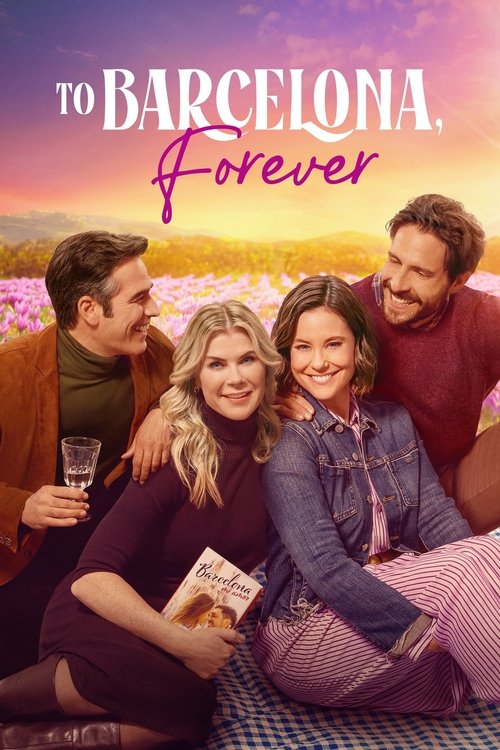
The film then closes with each character stepping into a different future. Anna begins a new path as a food critic, using the writing style that feels natural to her. Erica becomes recognized as an author in her own right, no longer hidden behind someone else's name. Nico ends the story with Erica, after finally expressing his love directly and receiving it back from her.
Is there a post-credit scene?
I couldn't verify a post-credit scene for To Barcelona, with Love (2025) from the search results provided. The results you shared are about other films, so I don't have a source-backed answer for this movie.
If you want, I can still help by: - checking whether the film is known to have any mid-credits or post-credits tag, - summarizing the ending if that's what you're asking about, - or helping identify the movie if the title may be slightly off.
Why does Erica secretly rewrite Anna’s Barcelona novel instead of translating it faithfully?
Erica is the Spanish translator who takes Anna's original novel and rewrites it so the book will feel authentic to Barcelona readers, which is why the Spanish edition becomes a hit. The rewrite is tied to Erica's own creative instincts and her belief that the original version is weak and inauthentic, but she keeps it secret because she knows she is not supposed to alter the work and has also signed an NDA. This hidden authorship is the central character-driven secret that causes the story's conflict.
How does Nico end up falling for Anna, and when does he realize there is a complication with Erica?
Nico first admires the woman he thinks is the author, Anna, because he loves the Spanish version of the book and is captivated by her writing. Once Anna arrives in Barcelona, he spends time with her, shows her attention, and their connection grows into a romantic spark. At the same time, he remains close to Erica, his longtime friend, without realizing that Erica is the person who actually transformed the book he loves; the emotional complication intensifies because Erica quietly has feelings for him too.
What exactly is the conflict between Anna and Erica once Anna starts noticing the Spanish book is different from her original manuscript?
Anna eventually realizes that the Spanish version bears little resemblance to the English book she wrote, which shocks her and creates tension between the two women. Erica admits that she changed the book during translation, and this confession briefly damages their relationship because Anna feels blindsided and the secret threatens both women's reputations. The rift deepens because Erica's changes are also tied to Nico's admiration for the book and to the growing romantic triangle around them.
Why does Nico ask Anna to write a new short story for the festival, and why does this put Anna in such a panic?
Nico asks Anna to create an original short story for the festival because he wants new work from the author he believes in. That request panics Anna because she is struggling to produce authentic material on the spot and begins to drift into distractions instead, especially by exploring Barcelona's food scene and blogging about it. The pressure also exposes the gap between the persona she is presenting and the kind of writer she actually is.
How do Anna and Erica try to handle the secret near the Sant Jordi Day festival, and what decision is Anna facing at the end of the story setup?
After the confession causes friction, Anna and Erica later work together again by combining their strengths: Erica writes the romance elements and Anna writes about food. But because of Erica's contract, her name cannot appear on the collaborative work, so the deception remains partly in place. By the day of the festival, Anna is forced to choose between keeping the charade to protect both women's reputations or revealing the truth, which would also affect her feelings for Nico and Erica's chances with him.
Is this family friendly?
Yes, "To Barcelona, With Love" (2025) is generally family-friendly and rated TV-G, making it appropriate for most children and sensitive viewers. However, a few minor elements may be objectionable or slightly upsetting for very young children or those with specific sensitivities:
- Social alcohol use: There are many scenes where characters drink socially (e.g., wine at meals or gatherings), though never to excess. Parents of very young children may find this worth noting.
- Deception and its consequences: The main characters pretend to be in a relationship to protect reputations, which involves lying to family and neighbors. While the film shows guilt and eventual apologies, the theme of deception could be emotionally complex for some young viewers.
- Superstitious or pagan ideas: Some characters discuss concepts like "manifesting" outcomes or believing in fate, which blend with a Christian scene (a mother praying). This mix of worldview elements may be confusing or mildly unsettling for viewers who prefer strictly consistent moral frameworks.
- Hints of same-sex pairing: There is a brief, subtle hint of a same-sex pairing. While not explicit or central to the plot, some viewers who are sensitive to LGBTQ+ content may find this noticeable.
The film contains no violence, foul language, sex, nudity, or drug use. Overall, it promotes positive values like family, friendship, and honesty, but parents of very young children may wish to preview it or discuss the above points with their kids.








