






Popular
What unique adaptations do the animals in The Dark: Nature's Nighttime World exhibit to survive in their nocturnal environments?
How does the behavior of predators differ from that of prey in the nighttime world depicted in the show?
What role does the moon play in the activities of nocturnal animals as shown in the documentary?
Which specific nocturnal animals are highlighted in the series, and what are their key characteristics?
How do environmental factors, such as temperature and weather, affect the behavior of nocturnal animals in the documentary?
Should I watch it?
Ask Your Own Question

What is the plot?
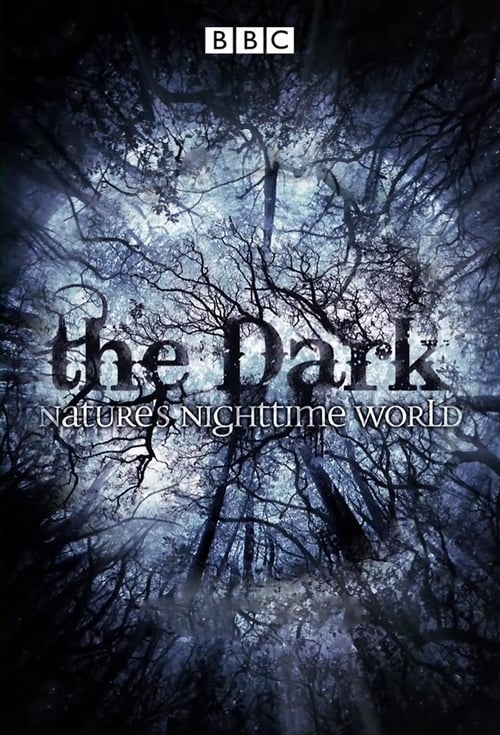
The documentary "The Dark: Nature's Nighttime World" begins with an exploration of the transition from day to night in various ecosystems. The opening scenes showcase the vibrant colors of sunset, as the sun dips below the horizon, signaling the start of nighttime. The camera captures the gradual change in light, highlighting the silhouettes of trees and the emergence of nocturnal creatures. The narration introduces the concept of how different animals adapt to the darkness, setting the stage for the exploration of their behaviors.
As night falls, the focus shifts to a forest environment where the sounds of chirping crickets and rustling leaves fill the air. The camera zooms in on a family of owls perched on a branch, their large eyes wide open, scanning the surroundings for movement. The narrator explains the hunting strategies of owls, emphasizing their exceptional night vision and silent flight. A sequence unfolds where an owl swoops down to catch a mouse, showcasing the precision and stealth involved in its hunting technique.
Next, the documentary transitions to a desert landscape under a starry sky. The scene highlights the stark contrast between the hot daytime temperatures and the coolness of the night. The camera captures a sidewinder rattlesnake as it moves across the sand, demonstrating its unique locomotion. The narrator discusses the snake's adaptations to the desert environment, including its ability to hunt small mammals and avoid predators. A tense moment occurs when the snake encounters a lizard, leading to a swift and decisive strike, illustrating the harsh realities of survival in the wild.
The narrative then shifts to a wetland area, where the sounds of croaking frogs and buzzing insects create a symphony of nighttime life. The camera focuses on a group of fireflies, their bioluminescent bodies flickering in the darkness. The narrator explains the role of fireflies in attracting mates and how their light patterns vary among species. A captivating sequence shows a male firefly performing a courtship display, which ultimately leads to a successful mating encounter, emphasizing the importance of communication in the animal kingdom.
As the documentary progresses, it delves into the world of nocturnal mammals, particularly focusing on raccoons. The camera follows a raccoon as it forages through a suburban neighborhood, showcasing its dexterous paws and inquisitive nature. The narrator discusses the raccoon's intelligence and adaptability, highlighting its ability to thrive in urban environments. A pivotal moment occurs when the raccoon discovers a trash can, leading to a chaotic scene as it rummages through the contents, illustrating the intersection of wildlife and human habitats.
The exploration continues with a focus on the ocean at night, where bioluminescent organisms create a mesmerizing underwater light show. The camera captures the movement of jellyfish and other marine life, revealing their ethereal beauty in the dark waters. The narrator explains the significance of bioluminescence in the ocean ecosystem, including its role in attracting prey and deterring predators. A dramatic sequence unfolds as a predator fish uses the cover of darkness to ambush its prey, showcasing the relentless cycle of life and death in the ocean.
The documentary then shifts to the Arctic, where the long polar night presents unique challenges for wildlife. The camera captures the majestic sight of polar bears navigating the snowy landscape, their white fur blending seamlessly with the surroundings. The narrator discusses the bears' hunting techniques and their reliance on sea ice for survival. A tense moment occurs when a polar bear spots a seal breathing through a hole in the ice, leading to a suspenseful chase that highlights the bear's strength and determination.
As the night progresses, the documentary returns to the forest, where the focus is on the interactions between different nocturnal species. The camera captures a scene where a fox and a deer cross paths, showcasing the delicate balance of predator and prey. The narrator reflects on the instincts that drive these animals, emphasizing the constant struggle for survival in the wild. A moment of tension arises when the fox stalks the deer, but ultimately, the deer escapes, illustrating the unpredictability of nature.
The final scenes of the documentary depict the gradual return of dawn, as the first light of day breaks over the horizon. The camera captures the awakening of the forest, with birds beginning to sing and diurnal animals emerging from their hiding places. The narrator concludes by reflecting on the beauty and complexity of nighttime ecosystems, leaving viewers with a sense of wonder about the hidden lives of animals that thrive in the dark. The documentary ends with a panoramic view of the landscape, transitioning from night to day, symbolizing the cyclical nature of life in the wild.









What is the ending?
The Dark: Nature's Nighttime World concludes with a vivid exploration of the nocturnal world, showcasing the intricate relationships between various animals and their environments. The film emphasizes the beauty and danger of nighttime, revealing how creatures adapt to survive in the dark. The ending encapsulates the cycle of life, highlighting the interconnectedness of all living beings.
As the film progresses towards its conclusion, the scenes shift to various nocturnal animals, each demonstrating their unique adaptations. The audience witnesses the stealth of a hunting owl, the vibrant colors of a bioluminescent creature, and the intricate dance of fireflies illuminating the night. The film closes with a powerful reminder of the balance of nature, as the camera pans out to reveal the vastness of the night sky, filled with stars, symbolizing the endless cycle of life and the mysteries that the night holds.
In the expanded narrative, the ending unfolds as follows:
The camera transitions from the dense, shadowy forest to a serene lake under the moonlight. The surface of the water glimmers, reflecting the silvery light, creating a tranquil yet eerie atmosphere. A family of deer cautiously approaches the water's edge, their ears perked up, alert to any potential threats lurking in the darkness. The tension is palpable as they drink, embodying both vulnerability and grace.
Next, the scene shifts to a nearby tree where an owl perches silently, its keen eyes scanning the ground below. The audience can feel the intensity of its focus, the quiet determination as it prepares to hunt. Suddenly, it swoops down, showcasing its incredible wingspan and precision. The moment is both breathtaking and brutal, illustrating the harsh realities of survival in the wild.
As the narrative continues, the film introduces a sequence of bioluminescent creatures illuminating the depths of the ocean. The vibrant colors pulse rhythmically, creating a mesmerizing display. The camera captures the delicate movements of these creatures, emphasizing their beauty and the mystery of the underwater world. This scene serves as a stark contrast to the predatory nature of the owl, highlighting the diversity of life that thrives in the darkness.
The film then transitions to a field where fireflies begin their enchanting dance. The soft glow of their lights flickers in the night, creating a magical ambiance. The camera zooms in on a close-up of a firefly, its light pulsating in a rhythmic pattern, symbolizing hope and the continuity of life. This moment evokes a sense of wonder, reminding viewers of the beauty that exists even in the darkest of times.
As the film nears its conclusion, the scenes interweave, showcasing the interconnectedness of all these nocturnal beings. The audience witnesses the cycle of life as the owl returns to its perch, satisfied after a successful hunt, while the deer retreat into the safety of the forest, their hearts racing but alive. The bioluminescent creatures continue to thrive in the depths, and the fireflies persist in their dance, illuminating the night.
The final shot pulls back to reveal the vast expanse of the night sky, filled with stars twinkling like distant beacons. The camera lingers on this celestial view, encapsulating the essence of the film's message: the night is a world of beauty, danger, and life, where every creature plays a vital role in the grand tapestry of nature. The film ends on this poignant note, leaving the audience with a sense of awe and respect for the nocturnal world and its inhabitants.
Is there a post-credit scene?
The Dark: Nature's Nighttime World, produced in 2012, does not feature a post-credit scene. The documentary focuses on the behaviors and adaptations of various nocturnal animals, showcasing their unique interactions with the environment during the night. The film concludes with a reflective summary of the themes presented throughout, emphasizing the beauty and mystery of the natural world after dark. There are no additional scenes or content following the credits.
What unique adaptations do the animals in The Dark: Nature's Nighttime World exhibit to survive in their nocturnal environments?
The documentary showcases various animals that have evolved specific adaptations for nighttime survival. For instance, the owl's exceptional night vision allows it to hunt effectively in low light, while the use of echolocation by bats enables them to navigate and locate prey in complete darkness. These adaptations highlight the intricate relationship between the animals and their nocturnal habitats.
How does the behavior of predators differ from that of prey in the nighttime world depicted in the show?
The show illustrates a stark contrast between predator and prey behaviors at night. Predators, such as the stealthy leopard, utilize their camouflage and acute senses to stalk and ambush their prey, while prey animals, like deer, exhibit heightened alertness and use their keen hearing to detect danger. This dynamic creates a tense atmosphere, emphasizing the constant struggle for survival.
What role does the moon play in the activities of nocturnal animals as shown in the documentary?
The documentary emphasizes the moon's influence on nocturnal animal behavior. For example, certain species, like the nocturnal fox, are shown to be more active during full moons when visibility is higher, allowing them to hunt more effectively. Conversely, during new moons, these animals may rely more on their other senses, showcasing their adaptability to changing light conditions.
Which specific nocturnal animals are highlighted in the series, and what are their key characteristics?
The series features a variety of nocturnal animals, including the elusive raccoon, known for its dexterous paws and intelligence, and the strikingly beautiful nightjar, which relies on its cryptic plumage for camouflage. Each animal is portrayed with a focus on its unique traits, such as the hunting techniques of the barn owl and the social behaviors of the African wild dog.
How do environmental factors, such as temperature and weather, affect the behavior of nocturnal animals in the documentary?
The documentary explores how environmental factors significantly impact nocturnal animal behavior. For instance, it shows how temperature fluctuations can dictate the activity levels of certain species, with some animals becoming more active during cooler nights. Additionally, weather conditions like rain can alter hunting strategies, as seen with the way some predators adapt their approach based on the availability of prey during different weather scenarios.
Is this family friendly?
"The Dark: Nature's Nighttime World" is a documentary that explores the behaviors and interactions of nocturnal animals in their natural habitats. While it is generally family-friendly, there are a few aspects that might be unsettling for children or sensitive viewers:
-
Predation Scenes: The documentary includes footage of predators hunting and capturing prey, which may be graphic or distressing for some viewers, particularly younger children.
-
Animal Behavior: Some scenes depict aggressive or territorial behavior among animals, which could be intense or frightening.
-
Natural Struggles: The film showcases the harsh realities of survival in the wild, including animals facing challenges such as starvation or injury, which may evoke feelings of sadness or concern.
-
Dark Atmosphere: The overall tone and visuals of nighttime settings can create a sense of unease or fear, especially for those who are sensitive to dark or eerie environments.
These elements may require parental guidance for younger viewers to help contextualize the natural behaviors depicted in the film.