










Popular
What are the main challenges that Tom Kane faces as the mayor of Chicago?
How does Tom Kane's relationship with his wife, Meredith, evolve throughout the season?
What role does the character of Ben Zajac play in Tom Kane's political strategy?
How does Tom Kane deal with the threat posed by his political rival, Alderman Ross?
What impact does Tom Kane's illness have on his decision-making and leadership style?
Should I watch it?
Ask Your Own Question

What is the plot?
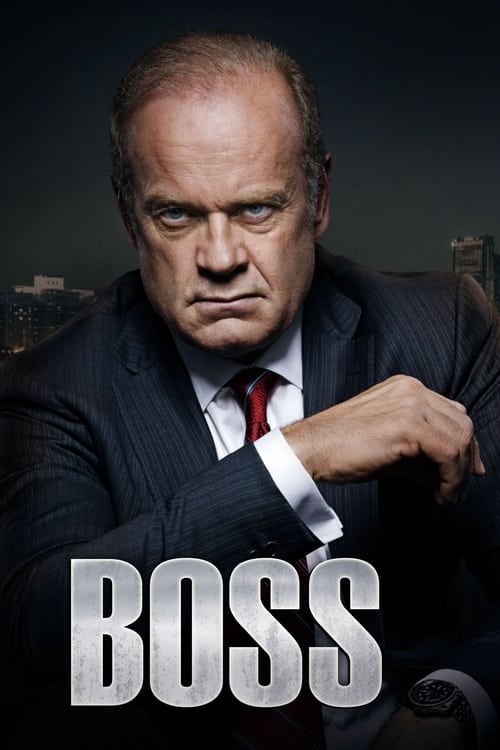
In the first episode of "Boss," we are introduced to Tom Kane, the powerful and ruthless mayor of Chicago, played by Kelsey Grammer. The episode opens with Kane delivering a speech at a public event, showcasing his charisma and control over the city. However, it quickly becomes apparent that he is suffering from a degenerative neurological condition, which he keeps hidden from the public and his political allies. This condition causes him to experience episodes of confusion and memory loss, adding a layer of tension to his already complex character.
As the episode progresses, Kane's political machinations come to light. He is shown manipulating various city officials and stakeholders to maintain his grip on power. One of his key allies is his chief of staff, Ezra, who helps him navigate the political landscape. Kane's relationship with his wife, Meredith, is strained; she is aware of his illness but is also frustrated by his secrecy and the toll it takes on their marriage. Their interactions reveal a deep emotional disconnect, as Meredith struggles with her husband's obsession with power and control.
Kane's political rival, Alderman Ross, is introduced as a significant threat. Ross is ambitious and seeks to undermine Kane's authority. The tension between the two escalates when Ross publicly questions Kane's leadership and suggests that he is unfit to serve as mayor. This confrontation forces Kane to take decisive action to eliminate the threat posed by Ross, showcasing his willingness to resort to underhanded tactics to protect his position.
In a pivotal scene, Kane meets with a group of influential business leaders to discuss a major development project in the city. He uses this opportunity to assert his dominance and secure their support, all while masking his deteriorating health. The meeting highlights Kane's ability to manipulate those around him, as he expertly navigates their concerns and desires to ensure his agenda is met.
Meanwhile, Kane's daughter, Emma, is introduced as a character struggling with her own issues. She is dealing with the fallout of a troubled relationship and is trying to find her place in a world dominated by her father's shadow. Her storyline adds depth to Kane's character, as it reveals the personal sacrifices he has made in pursuit of power.
As the episode nears its conclusion, Kane's health takes a turn for the worse during a critical moment at a press conference. He struggles to maintain his composure while answering questions from reporters, and his condition becomes evident to those present. This moment serves as a turning point for Kane, as he realizes that he must take more drastic measures to keep his illness a secret and maintain his political power.
The episode ends with Kane making a calculated decision to eliminate Alderman Ross as a threat. He orchestrates a plan to discredit Ross, using his connections to gather damaging information. This decision sets the stage for the ongoing power struggle that will define the series, as Kane's ruthless ambition clashes with the realities of his declining health and the consequences of his actions.









What is the ending?
In the final episode of "Boss" Season 1, titled "A New Beginning," Mayor Tom Kane's health deteriorates as he grapples with the consequences of his actions. He faces betrayal from those close to him, including his wife, who is aware of his illness and the extent of his manipulations. The season concludes with Kane's political future uncertain, as he contemplates the cost of his ambition and the relationships he has sacrificed.
As the episode opens, we find Tom Kane in a state of increasing vulnerability. His Parkinson's disease has progressed, and he struggles to maintain control over his body and his political empire. The camera captures the tension in his movements, emphasizing his frailty juxtaposed against his once-dominant presence. He is acutely aware that his health is a ticking clock, and this realization weighs heavily on him.
In a pivotal scene, Kane confronts his wife, Meredith. The emotional distance between them is palpable. Meredith, who has been privy to Tom's manipulations and the toll they have taken on their family, expresses her disillusionment. She is torn between her loyalty to him and her growing resentment for the man he has become. Their conversation is charged with unspoken words, revealing the cracks in their marriage. Tom's desperation to maintain control is evident as he tries to reassure her, but the sincerity in his voice is undermined by the reality of his actions.
Meanwhile, Kane's political adversaries are closing in. The tension escalates as he faces challenges from within his own party. The stakes are high, and the pressure mounts as he navigates the treacherous waters of Chicago politics. In a series of strategic meetings, Kane attempts to outmaneuver his opponents, showcasing his cunning and ruthlessness. However, the toll of his illness begins to manifest, leading to moments of vulnerability that threaten to expose his weaknesses.
As the episode progresses, we see the fallout from Kane's decisions. His relationship with his daughter, Emma, is strained. She has been caught in the crossfire of his ambition and is struggling to find her own identity. In a poignant scene, Emma confronts her father about the impact of his choices on their family. The emotional weight of their conversation highlights the generational divide and the burden of legacy that Kane has imposed on her.
In the climax of the episode, Kane faces a critical decision that could alter the course of his political career. He must choose between a path of redemption or continuing down the dark road of manipulation. The tension is palpable as he weighs his options, and the audience is left to ponder the implications of his choice. Ultimately, Kane opts for a calculated move that reinforces his grip on power, but it comes at a significant personal cost.
The episode concludes with a haunting image of Kane standing alone in his office, looking out over the city he has fought so hard to control. The weight of his choices hangs heavy in the air, and the uncertainty of his future looms large. As the camera pulls back, we see the isolation that accompanies his ambition, leaving viewers with a sense of foreboding about what lies ahead for him and those around him.
In summary, the fates of the main characters are intertwined with the themes of ambition, betrayal, and the personal costs of power. Tom Kane remains a formidable figure, but his health and relationships are in jeopardy. Meredith's disillusionment suggests a fracture in their marriage, while Emma's struggle for identity hints at the generational impact of Kane's choices. The season ends with a sense of unresolved tension, setting the stage for the complexities of power and personal sacrifice that define the series.
Is there a post-credit scene?
In the first season of "Boss," there are no post-credit scenes. The episodes conclude without any additional content after the credits roll. The focus remains on the intense political drama and the complex character dynamics throughout the season, particularly surrounding the character of Tom Kane, played by Kelsey Grammer. Each episode wraps up its narrative arcs without extending into a post-credit sequence, maintaining the show's serious tone and pacing.
What are the main challenges that Tom Kane faces as the mayor of Chicago?
Tom Kane, played by Kelsey Grammer, faces numerous challenges throughout Season 1, including political opposition, health issues, and the need to maintain his power amidst corruption and betrayal. His deteriorating health due to a degenerative brain disease complicates his ability to govern effectively, leading him to make increasingly desperate decisions to secure his position.
How does Tom Kane's relationship with his wife, Meredith, evolve throughout the season?
Tom's relationship with his wife, Meredith, portrayed by Connie Nielsen, is strained due to his secretive nature and the pressures of his political life. As the season progresses, Meredith becomes increasingly aware of Tom's manipulative tactics and his health issues, leading to emotional confrontations that reveal the cracks in their marriage and her growing disillusionment with his political ambitions.
What role does the character of Ben Zajac play in Tom Kane's political strategy?
Ben Zajac, played by Jeff Hephner, is a young and ambitious politician who becomes a key ally for Tom Kane. Throughout the season, Tom uses Ben to further his own agenda, manipulating him to gain support for his initiatives. However, Ben's own aspirations and moral dilemmas create tension as he grapples with the ethical implications of his actions under Tom's influence.
How does Tom Kane deal with the threat posed by his political rival, Alderman Ross?
Alderman Ross, portrayed by John Benjamin Hickey, poses a significant threat to Tom Kane's authority. Throughout the season, Tom employs various tactics to undermine Ross, including leveraging information and orchestrating political maneuvers to discredit him. This rivalry intensifies as both men engage in a high-stakes game of power, showcasing Tom's ruthless approach to maintaining control.
What impact does Tom Kane's illness have on his decision-making and leadership style?
Tom Kane's illness, a degenerative brain disease, profoundly affects his decision-making and leadership style. As the season unfolds, his cognitive decline leads to moments of confusion and impulsivity, forcing him to rely on his instincts and the loyalty of his inner circle. This deterioration creates a sense of urgency in his actions, pushing him to make increasingly bold and often unethical choices to secure his legacy.
Is this family friendly?
"Boss," season 1, produced in 2011, is not considered family-friendly. The show contains several potentially objectionable or upsetting elements, including:
-
Strong Language: Frequent use of profanity throughout the series, which may not be suitable for younger audiences.
-
Violence: There are scenes depicting physical confrontations and threats, which can be intense and unsettling.
-
Sexual Content: The series includes sexual situations and themes, as well as nudity, which may be inappropriate for children.
-
Substance Abuse: Characters are shown engaging in drinking and drug use, which could be concerning for sensitive viewers.
-
Political Corruption and Manipulation: The show explores dark themes of power, betrayal, and moral ambiguity, which may be distressing for some viewers.
-
Emotional Turmoil: Characters experience significant personal and emotional struggles, including mental health issues, which could be upsetting for sensitive individuals.
Overall, the mature themes and content make "Boss" more suitable for adult audiences.