




Popular
What specific artwork do the team investigate in the first episode of Fake or Fortune?
What challenges do the team face in verifying the authenticity of the painting in the first episode?
Who are the key characters involved in the investigation of the painting in the first episode?
What emotional stakes are involved for the owner of the painting in the first episode?
What methods do the team use to authenticate the painting in the first episode?
Should I watch it?
Ask Your Own Question

What is the plot?
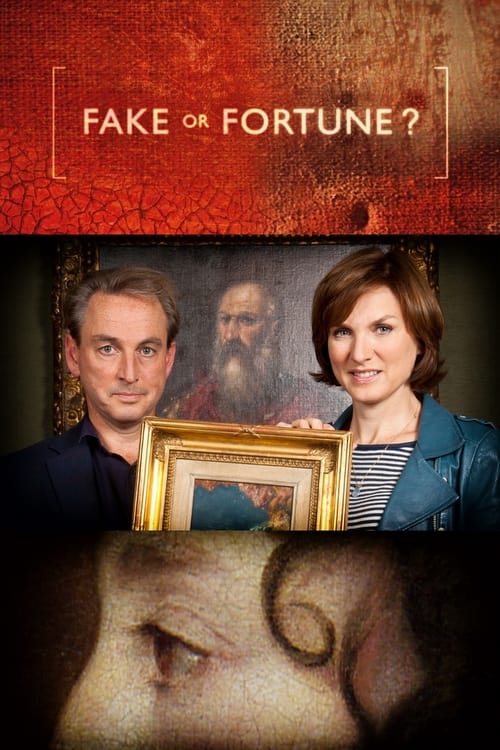
In the first episode of "Fake or Fortune?", the story begins with art expert Fiona Bruce and her team, including art dealer Philip Mould, as they investigate a painting that has been passed down through a family. The painting in question is believed to be a work by the renowned artist, Sir Alfred Munnings. The family hopes to authenticate the painting, which could significantly increase its value.
Fiona and Philip meet with the family, who share the history of the painting. They explain that it was inherited from a relative who claimed it was an original Munnings. The family is emotionally invested in the painting, as it represents a connection to their past. They express hope that it could be worth a substantial amount of money, which would help them financially.
The team begins their investigation by examining the painting closely. They note the style, brushwork, and materials used, comparing it to known works by Munnings. Philip discusses the importance of provenance in establishing authenticity and mentions that they will need to gather more evidence to support the claim that it is a genuine Munnings.
Next, Fiona and Philip visit the Munnings Art Museum in Dedham, where they seek expert opinions. They meet with the museum's curator, who provides insights into Munnings' techniques and style. The curator expresses skepticism about the painting's authenticity, noting discrepancies in the brushwork and the signature. This raises doubts for Fiona and Philip, who realize they need to dig deeper.
The investigation takes them to the archives, where they search for any documentation related to the painting. They hope to find exhibition records or sales receipts that could link the painting to Munnings. As they sift through old records, they uncover a potential lead: a reference to a similar painting in a catalog from an exhibition held during Munnings' lifetime.
With this new information, Fiona and Philip decide to track down the catalog. They locate a copy and discover that the painting in question was indeed exhibited, but it was listed under a different title. This revelation adds complexity to their investigation, as they must now determine whether the painting they have is a version of the one exhibited or something entirely different.
As they continue their research, they also consult with a forensic expert who analyzes the materials used in the painting. The expert conducts tests on the canvas and paint, looking for evidence that could confirm or refute its authenticity. The results show that the materials are consistent with those used during Munnings' era, providing a glimmer of hope for the family.
However, the emotional stakes rise when Fiona and Philip receive a call from a rival art expert who claims to have evidence that the painting is a forgery. This news shocks the family, who are already anxious about the outcome. Fiona and Philip must now confront this new challenge and decide how to proceed.
In a tense meeting, they discuss the implications of the rival expert's claims. Fiona feels a sense of responsibility to the family, wanting to ensure they receive the truth, no matter how painful it may be. Philip, while also committed to the truth, is more cautious, weighing the potential impact on the family's emotions.
The investigation culminates in a final reveal where Fiona and Philip present their findings to the family. They lay out the evidence, including the discrepancies in the painting's style, the conflicting information from the rival expert, and the forensic analysis. The family listens intently, their emotions fluctuating between hope and despair.
Ultimately, Fiona and Philip conclude that while the painting has some characteristics of a Munnings, the evidence suggests it is likely a forgery. The family is devastated by the news, grappling with the loss of their hopes for the painting's value and the connection it represented to their heritage.
In the closing moments, Fiona reflects on the emotional toll of the investigation, acknowledging the complexities of art authentication and the personal stories intertwined with each piece. The episode ends with a sense of closure for the family, albeit a painful one, as they come to terms with the truth about their painting.






What is the ending?
In the final moments of "Fake or Fortune?" Season 1, the team, consisting of art expert Fiona Bruce and a group of specialists, reveals the findings of their investigation into a painting attributed to the artist Sir Alfred Munnings. After extensive research and analysis, they conclude that the painting is indeed a genuine work by Munnings, which significantly increases its value. The owner, who had been anxious about the painting's authenticity, is overjoyed with the confirmation and the potential financial windfall it represents.
As the episode concludes, Fiona reflects on the journey they undertook to uncover the truth behind the painting, emphasizing the emotional stakes involved for the owner and the thrill of discovery in the art world.
The episode opens with Fiona Bruce introducing the case of a painting that has been in the possession of a family for generations. The painting, a landscape, is believed to be by Sir Alfred Munnings, a renowned British painter known for his equestrian scenes. The owner, a middle-aged man, is hopeful yet anxious about the painting's authenticity, as it could be worth a significant sum if genuine.
Fiona and her team begin their investigation by examining the painting closely. They note the brushwork, the colors, and the overall composition, comparing it to known works by Munnings. The owner watches intently, his emotions fluctuating between hope and doubt. As they delve deeper, Fiona interviews art historians and experts who provide insights into Munnings' style and techniques, further heightening the tension surrounding the painting's authenticity.
The team conducts scientific tests, including examining the canvas and the paint used. They discover that the materials are consistent with those used during Munnings' time, which adds a layer of credibility to their findings. However, the owner remains cautious, aware that many forgeries exist in the art world.
As the investigation progresses, Fiona uncovers archival documents and letters that link Munnings to the painting. This discovery is pivotal, as it provides a historical context that supports the painting's authenticity. The owner, who has been anxiously awaiting news, begins to feel a glimmer of hope as the evidence mounts.
In the climactic final scenes, Fiona gathers the team and the owner to present their findings. The atmosphere is charged with anticipation. Fiona reveals the results of their research, explaining how each piece of evidence supports the conclusion that the painting is indeed a genuine Munnings. The owner's face lights up with joy and disbelief as he processes the news. The emotional weight of the moment is palpable; years of uncertainty and doubt are lifted in an instant.
As the episode wraps up, Fiona reflects on the journey they undertook, highlighting the emotional stakes involved for the owner and the thrill of uncovering the truth in the art world. The owner expresses his gratitude, feeling a sense of relief and excitement about the future, knowing that he possesses a valuable piece of art history. The episode closes with a sense of closure and triumph, showcasing the dedication of the team and the joy of discovery in the realm of art.
Is there a post-credit scene?
In the first season of "Fake or Fortune?" produced in 2011, there are no post-credit scenes. The show focuses on the journey of art experts Fiona Bruce and Philip Mould as they investigate the authenticity of various artworks. Each episode concludes with a resolution to the case they are examining, but it does not include any additional scenes or content after the credits roll. The emphasis remains on the art and the stories behind it, rather than on any extended narrative or cliffhanger.
What specific artwork do the team investigate in the first episode of Fake or Fortune?
In the first episode of Fake or Fortune?, the team investigates a painting attributed to the artist Sir Joshua Reynolds. The artwork is a portrait of a young girl, and the owner believes it to be an original piece by Reynolds.
What challenges do the team face in verifying the authenticity of the painting in the first episode?
The team faces several challenges in verifying the authenticity of the painting, including the lack of provenance, the need for expert analysis, and the difficulty in finding conclusive evidence that links the painting to Reynolds. They must navigate through art history and expert opinions to establish its legitimacy.
Who are the key characters involved in the investigation of the painting in the first episode?
The key characters involved in the investigation include Fiona Bruce, the host, and Philip Mould, the art dealer and expert. They work together with various art historians and conservators to uncover the truth about the painting's origins.
What emotional stakes are involved for the owner of the painting in the first episode?
The owner of the painting has a deep emotional connection to the artwork, believing it to be a family heirloom with significant value. The potential for it to be a genuine Reynolds adds pressure, as its authenticity could change their financial situation and personal legacy.
What methods do the team use to authenticate the painting in the first episode?
The team employs a variety of methods to authenticate the painting, including scientific analysis such as infrared reflectography and pigment analysis, as well as consulting historical records and expert opinions to trace the painting's history and verify its attribution.
Is this family friendly?
"Fake or Fortune?" is a documentary series that explores the world of art and the authenticity of artworks. While the show is generally family-friendly, there are a few aspects that might be considered potentially objectionable or upsetting for children or sensitive viewers:
-
Art Theft and Forgery: The series discusses themes of art theft and forgery, which may be unsettling for younger viewers. The emotional weight of discovering that a beloved piece of art may not be genuine can be distressing.
-
Emotional Reactions: Some participants in the show express strong emotional reactions when discussing their artworks, including disappointment, frustration, or sadness. These moments can be intense and may resonate deeply with sensitive viewers.
-
Historical Context: The show sometimes delves into the darker aspects of art history, including the impact of war and loss on artists and their works. This context may be heavy for younger audiences.
-
Financial Implications: Discussions about the financial value of art and the implications of forgery can introduce complex themes of greed and loss, which might be difficult for children to fully understand.
Overall, while the series is educational and engaging, parents may want to consider these elements when deciding if it is suitable for younger viewers.