


















Loading additional questions...
Popular
What motivates D'Artagnan to reunite with the Musketeers in The Return of Musketeers?
How does Athos's relationship with his son impact the plot in The Return of Musketeers?
What role does Milady play in the conflict of The Return of Musketeers?
How does Porthos's character evolve throughout The Return of Musketeers?
What is the significance of the treasure of Cardinal Mazarin in the story?
Should I watch it?
Ask Your Own Question

What is the plot?
🔥 Trending TV Shows Now
Browse All TV Shows →








What is the ending?
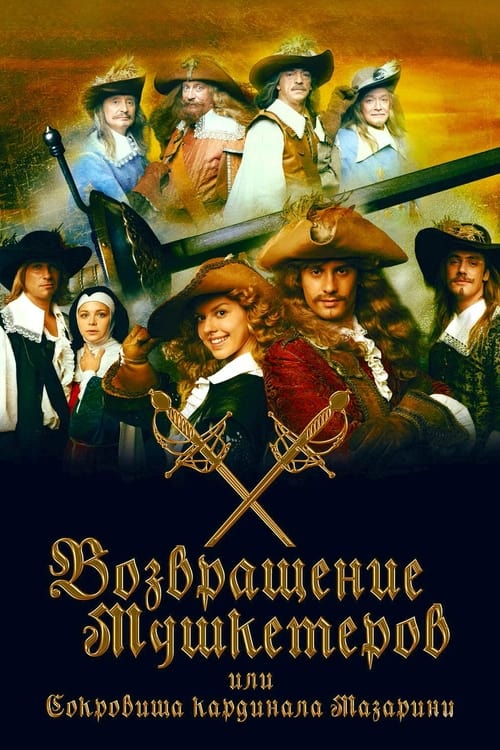
In the ending of "The Return of Musketeers or the Treasure of Cardinal Mazarini," the Musketeers confront their final challenges, leading to a climactic resolution of their personal and collective struggles. D'Artagnan, Athos, Porthos, and Aramis face off against their enemies, ultimately achieving a bittersweet victory. The story concludes with the Musketeers reaffirming their bond and commitment to each other, despite the sacrifices they have made.
As the final act unfolds, the scene opens in a dimly lit chamber where the Musketeers gather, their faces etched with determination and weariness. D'Artagnan stands at the forefront, his brow furrowed with the weight of leadership. He addresses his comrades, reminding them of their shared history and the loyalty that binds them. The air is thick with tension as they prepare for the confrontation that lies ahead.
The scene shifts to a grand hall where Cardinal Mazarin's forces are gathered, plotting their next move. The camera pans over the menacing figures, revealing the stakes of the impending conflict. The Musketeers, clad in their iconic uniforms, burst into the hall, swords drawn. A fierce battle ensues, filled with clashing steel and the shouts of combatants. Each Musketeer showcases their unique fighting style, with Porthos's brute strength, Athos's finesse, and Aramis's agility shining through.
As the fight rages on, D'Artagnan finds himself face-to-face with a formidable adversary, a shadowy figure representing the Cardinal's interests. Their duel is intense, filled with quick exchanges and narrow escapes. D'Artagnan's resolve is palpable; he fights not just for victory but for the honor of his friends and the ideals they uphold.
Meanwhile, Athos confronts a personal foe from his past, a figure that embodies his regrets and lost opportunities. The emotional weight of their encounter is evident as Athos grapples with his past mistakes while fighting for his future. The struggle is not just physical but deeply personal, showcasing Athos's growth and his desire for redemption.
Porthos, ever the heart of the group, fights valiantly but is injured during the skirmish. His pain is evident, yet he pushes through, motivated by the camaraderie he shares with his friends. His injury serves as a reminder of the sacrifices they all must make for the greater good.
Aramis, with his quick wit and charm, uses his intelligence to outmaneuver the enemy, leading to a pivotal moment where he saves D'Artagnan from a near-fatal blow. Their bond is reinforced in this moment, highlighting the theme of friendship and loyalty that runs throughout the narrative.
As the battle reaches its climax, the Musketeers manage to turn the tide against the Cardinal's forces. The final confrontation sees D'Artagnan delivering a decisive blow to the main antagonist, symbolizing the triumph of justice over tyranny. The hall falls silent as the remaining enemies surrender, and the Musketeers stand victorious, though battered and bruised.
In the aftermath, the scene transitions to a quiet courtyard where the Musketeers regroup. The atmosphere is somber yet hopeful. Porthos, despite his injury, cracks a joke, lightening the mood. Athos reflects on the cost of their victory, acknowledging the losses they have endured. D'Artagnan, filled with a sense of purpose, vows to continue fighting for what is right, emphasizing the enduring spirit of the Musketeers.
As the sun sets, casting a warm glow over the courtyard, the Musketeers share a moment of camaraderie, their bond stronger than ever. They raise their swords in a toast to friendship and loyalty, a fitting conclusion to their journey. Each character has faced their demons and emerged changed, yet united in their commitment to one another and the ideals they represent.
In the final scene, the camera pulls back, revealing the Musketeers standing together, a symbol of hope and resilience against the backdrop of a new dawn. The story closes on a note of optimism, suggesting that while battles may be won or lost, the spirit of the Musketeers will endure, ready to face whatever challenges lie ahead.
Is there a post-credit scene?
What motivates D'Artagnan to reunite with the Musketeers in The Return of Musketeers?
D'Artagnan is driven by a deep sense of loyalty and camaraderie towards his friends, the Musketeers. He feels a strong pull to protect them and the ideals they stand for, especially as he learns of the threats they face from Cardinal Mazarin's enemies. His emotional state is a mix of nostalgia for their past adventures and a determination to restore their brotherhood.
How does Athos's relationship with his son impact the plot in The Return of Musketeers?
Athos's relationship with his son, Raoul, is fraught with tension and regret. Athos struggles with his past mistakes and the fear of losing Raoul to the same fate that befell his own father. This internal conflict drives Athos to protect Raoul at all costs, leading to pivotal moments in the story where he must confront his own fears and the consequences of his choices.
What role does Milady play in the conflict of The Return of Musketeers?
Milady is a complex antagonist whose motivations are rooted in revenge and manipulation. She seeks to undermine the Musketeers and exploit their weaknesses, particularly targeting D'Artagnan and Athos. Her cunning and seductive nature create tension and intrigue, as she uses her charm to navigate the political landscape, ultimately leading to dramatic confrontations that test the Musketeers' loyalty and resolve.
How does Porthos's character evolve throughout The Return of Musketeers?
Porthos begins as a boisterous and carefree character, reveling in the pleasures of life. However, as the plot unfolds, he faces challenges that force him to confront his own vulnerabilities and insecurities. His journey reflects a deeper understanding of friendship and sacrifice, particularly when he must choose between his desires and the greater good, showcasing his growth from a self-indulgent warrior to a more selfless hero.
What is the significance of the treasure of Cardinal Mazarin in the story?
The treasure of Cardinal Mazarin serves as a catalyst for the central conflict in The Return of Musketeers. It represents power, corruption, and the lengths to which individuals will go to obtain wealth. The Musketeers' quest to secure the treasure not only tests their loyalty to each other but also reveals the moral dilemmas they face in a world where greed often trumps honor. The treasure's allure creates tension among characters, driving the plot forward and leading to critical decisions that impact their fates.