










Popular
What motivates the main character, Max, throughout the series?
How does the relationship between Max and his sister, Lena, evolve over the course of the series?
What role does the antagonist, Viktor, play in shaping the events of the story?
How does the theme of sacrifice manifest in the character arcs of the supporting cast?
What significant events lead to the climax of the series, and how do they affect the characters involved?
Should I watch it?
Ask Your Own Question

What is the plot?
In the small town of Hohenberg, a group of young friends, including the ambitious and determined protagonist, Max, gather to celebrate their high school graduation. The atmosphere is filled with excitement and anticipation for the future. However, the celebration is abruptly interrupted when a mysterious explosion rocks the town, sending debris flying and causing chaos. The friends quickly realize that the explosion is not an accident but part of a larger, sinister plot.
As the dust settles, the group discovers that the explosion was a diversion for a robbery at a local bank. They witness masked figures fleeing the scene with bags of money. Max, driven by a sense of justice and a desire to protect his community, convinces his friends to pursue the robbers. They split up, with Max and his best friend, Lena, taking one route while the others head in another direction.
Max and Lena follow the robbers into a nearby forest, where they overhear a conversation revealing that the robbery was orchestrated by a powerful crime syndicate. The robbers discuss their next move, planning to use the stolen money to fund a larger operation that threatens the entire town. Realizing the gravity of the situation, Max and Lena decide to gather evidence and report it to the authorities.
Meanwhile, the other friends, unaware of Max and Lena's actions, encounter a group of local vigilantes who are also investigating the crime. The vigilantes, led by a charismatic but reckless leader named Tom, are eager to take matters into their own hands. They convince the friends to join their cause, believing that they can take down the syndicate without involving the police.
Back in the forest, Max and Lena manage to capture video footage of the robbers discussing their plans. However, they are discovered and chased by the criminals. In a tense sequence, Max and Lena navigate through the trees, using their knowledge of the area to evade capture. They eventually find refuge in an abandoned cabin, where they hide and strategize their next move.
As night falls, the friends regroup at the vigilantes' hideout. Tensions rise as they debate whether to go to the police with the evidence or to confront the syndicate themselves. Max argues for caution, emphasizing the need for a well-thought-out plan, while Tom pushes for immediate action. The group ultimately decides to follow Tom's lead, believing that they can outsmart the criminals.
The next day, the vigilantes launch a surprise attack on the syndicate's hideout, a rundown warehouse on the outskirts of town. Armed with makeshift weapons and their determination, they storm the building. A chaotic fight ensues, with the vigilantes clashing with the syndicate members. Max and Lena, who have joined the fray, fight bravely but are quickly outnumbered.
During the confrontation, Max spots the leader of the syndicate, a ruthless figure named Viktor, and confronts him. In a heated exchange, Max accuses Viktor of terrorizing their town. Viktor, unfazed, reveals that he has been watching Max and knows about his ambitions. This revelation shakes Max, who realizes that his personal life is intertwined with the syndicate's plans.
As the fight escalates, Lena is injured, prompting Max to make a desperate decision. He rushes to her side, abandoning the fight to ensure her safety. This moment of vulnerability reveals Max's deep emotional connection to Lena, showcasing his internal struggle between his desire for justice and his love for his friend.
With Lena injured and the vigilantes struggling, the tide of the battle turns. The syndicate members begin to gain the upper hand, and it becomes clear that the vigilantes are outmatched. Just as all seems lost, the police arrive, having been tipped off by Max and Lena's earlier evidence. A standoff ensues, with both sides forced to negotiate.
In the aftermath, the police arrest Viktor and his crew, bringing a sense of relief to the town. However, the victory is bittersweet. Lena's injury requires medical attention, and Max grapples with the consequences of their actions. The friends reflect on their choices, realizing that their quest for justice has come at a personal cost.
As the series concludes, the group stands together, united by their experiences but changed by the events that transpired. Max, now more aware of the complexities of heroism, looks toward the future with a renewed sense of purpose, while the bonds between the friends are both strengthened and tested by the trials they faced.









What is the ending?
In the ending of "Zeit der Helden," the main characters confront their pasts and the consequences of their actions. The story culminates in a dramatic showdown that tests their loyalties and beliefs. Ultimately, they find resolution in their relationships and a sense of purpose moving forward.
As the final episodes unfold, the tension escalates. The protagonists, each grappling with their personal demons, come together for one last mission. They are driven by a mix of desperation and hope, seeking redemption for their past mistakes. The stakes are high, and the emotional weight of their choices hangs heavily in the air.
In the first scene of the finale, the group gathers in a dimly lit warehouse, the atmosphere thick with anticipation. Shadows dance on the walls as they discuss their plan. Each character's face reflects a blend of determination and fear. They know that this mission could either lead to their salvation or their downfall. The leader, burdened by guilt, speaks passionately about the need to confront their adversaries, igniting a spark of resolve in the others.
As they prepare, flashbacks reveal their individual struggles. One character, haunted by betrayal, wrestles with feelings of inadequacy. Another, driven by a desire for justice, recalls the losses that have shaped their journey. These moments of introspection deepen the audience's understanding of their motivations, showcasing the emotional stakes involved.
The next scene shifts to the confrontation with their main antagonist. The setting is tense, filled with the sounds of distant sirens and the palpable energy of impending conflict. The characters face off against their enemy, who embodies the chaos and destruction they have fought against. The dialogue is sharp, filled with accusations and revelations that lay bare the characters' vulnerabilities.
As the battle ensues, the choreography of the fight is intense and visceral. Each character showcases their unique skills, but it is their emotional connections that drive them forward. In a pivotal moment, one character sacrifices themselves to save another, a testament to the bonds they have forged throughout their journey. This act of bravery shifts the tide of the confrontation, leading to a climactic resolution.
In the aftermath, the surviving characters stand amidst the wreckage, their faces marked by exhaustion and grief. They reflect on the cost of their victory, acknowledging the sacrifices made along the way. The leader, now more resolute than ever, vows to honor the memory of their fallen comrade by continuing the fight for justice.
The final scenes depict each character finding a semblance of peace. One character returns to their hometown, seeking to rebuild relationships that were strained by their past. Another takes on a mentorship role, guiding the next generation in the lessons learned from their experiences. The leader, now carrying the weight of their choices, dedicates themselves to a cause greater than themselves, embodying the spirit of heroism that the title "Zeit der Helden" suggests.
As the screen fades to black, the audience is left with a sense of closure, yet aware that the journey of these characters will continue, shaped by the lessons of their past and the hope for a better future.
Is there a post-credit scene?
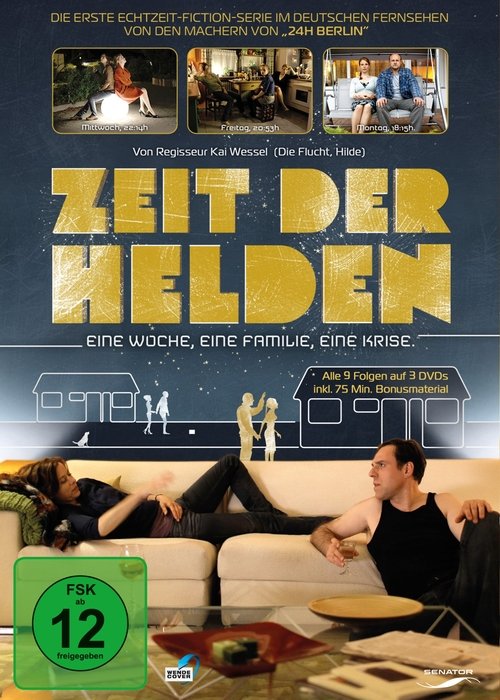
In the TV show "Zeit der Helden," produced in 2013, there is indeed a post-credit scene that adds an intriguing layer to the narrative.
As the credits roll, the screen fades back in to a dimly lit room filled with shadows. The camera pans slowly across the walls, revealing various photographs and newspaper clippings that document the heroes' journey throughout the series. The atmosphere is tense, underscored by a haunting musical score that evokes a sense of mystery and anticipation.
In the center of the room stands a figure, partially obscured by darkness. As the camera draws closer, the figure steps into the light, revealing a familiar face from the series, one that had been presumed to be out of the picture. This character, with a determined expression, is seen studying the clippings intently, their brow furrowed in concentration.
The character picks up a particular photograph, one that features the main heroes in a moment of triumph, and whispers to themselves, "They think it's over, but the real battle is just beginning." This line is delivered with a mix of resolve and foreboding, hinting at unresolved conflicts and future challenges that lie ahead.
The scene ends with a close-up of the character's eyes, filled with a blend of hope and menace, before cutting to black, leaving viewers with a sense of unease and excitement about what might come next. This post-credit moment effectively teases potential future storylines and character arcs, ensuring that the audience is left pondering the implications long after the episode concludes.
What motivates the main character, Max, throughout the series?
Max is driven by a deep sense of justice and a desire to protect his loved ones. His internal conflict often stems from the pressure of living up to his father's legacy as a hero, which leads him to make choices that put him at odds with his own moral compass.
How does the relationship between Max and his sister, Lena, evolve over the course of the series?
Initially, Max and Lena share a close bond, but as the series progresses, their relationship becomes strained due to Max's secretive nature and his involvement in dangerous situations. Lena's growing independence and her own struggles with their family's past create tension, leading to moments of confrontation and reconciliation.
What role does the antagonist, Viktor, play in shaping the events of the story?
Viktor serves as a formidable adversary who embodies the darker aspects of heroism. His motivations are rooted in a desire for power and control, which directly challenges Max's ideals. Viktor's manipulative tactics and personal vendetta against Max's family escalate the stakes, forcing Max to confront not only Viktor but also his own fears and insecurities.
How does the theme of sacrifice manifest in the character arcs of the supporting cast?
Supporting characters like Anna and Tom each face pivotal moments where they must choose between their personal desires and the greater good. Anna's decision to risk her safety to help Max highlights her loyalty, while Tom's struggle with his own ambitions leads to a heartbreaking sacrifice that ultimately impacts the group's dynamics and their fight against Viktor.
What significant events lead to the climax of the series, and how do they affect the characters involved?
Key events leading to the climax include the revelation of Viktor's true intentions, the betrayal of a trusted ally, and a series of escalating confrontations that test the characters' resolve. These moments force Max and his friends to confront their fears and make difficult choices, culminating in a high-stakes showdown that challenges their beliefs and relationships.
Is this family friendly?
"Zeit der Helden," produced in 2013, is a drama series that explores themes of heroism, sacrifice, and the complexities of human relationships. While it has compelling storytelling, there are several aspects that may be considered objectionable or upsetting for children or sensitive viewers.
-
Violence: The series contains scenes of physical conflict and violence that may be intense or graphic, depicting the struggles and battles faced by the characters.
-
Emotional Turmoil: Characters experience significant emotional distress, including loss, betrayal, and moral dilemmas, which may be heavy for younger audiences to process.
-
Death and Grief: The show addresses themes of mortality, with characters facing the death of loved ones, leading to scenes of mourning and grief that could be upsetting.
-
Mature Themes: The narrative delves into complex adult themes such as loyalty, sacrifice, and the consequences of one's choices, which may not be suitable for younger viewers.
-
Intense Relationships: There are moments of tension in relationships, including conflict and betrayal, which may be difficult for sensitive viewers to watch.
Overall, while "Zeit der Helden" offers rich storytelling and character development, its mature themes and emotional depth may not be appropriate for all audiences, particularly children.