
























Popular
What are the main motivations of Neptune throughout the series?
How does the relationship between Neptune and Noire develop in the series?
What role does the character Plutia play in the story, and how does her personality contrast with other characters?
What is the significance of the four CPUs in Gamindustri, and how do they interact with each other?
How does the character of Gamindustri itself influence the plot and character development?
Should I watch it?
Ask Your Own Question

What is the plot?
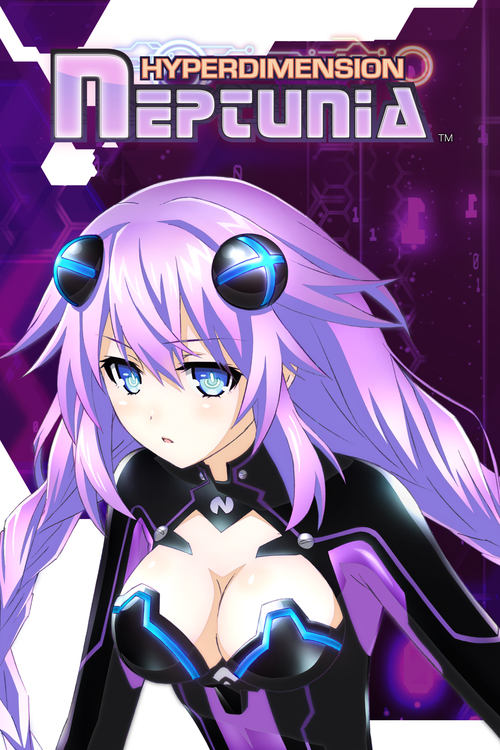
In the world of Gamindustri, four goddesses represent the four nations: Neptune, the goddess of Planeptune; Noire, the goddess of Lastation; Blanc, the goddess of Lowee; and Vert, the goddess of Leanbox. The story begins with Neptune, who is a carefree and somewhat reckless goddess. She is seen playing a video game in her room when she suddenly gets transported to a mysterious place called the "Land of the Lost." Here, she meets a character named Histoire, who is the Oracle of the land. Histoire informs Neptune that she must regain her lost powers and restore peace to Gamindustri.
Neptune is then tasked with finding the other goddesses, who have been affected by a mysterious force that has caused them to lose their powers. She sets off on her journey, and her first stop is Lastation, where she encounters Noire. Noire is initially hostile towards Neptune, viewing her as a rival. However, after a series of misunderstandings and comedic moments, they eventually team up to confront a monster that has been terrorizing the area. This confrontation showcases Neptune's carefree attitude and Noire's more serious demeanor, highlighting their contrasting personalities.
After defeating the monster, Noire begins to warm up to Neptune, and they decide to travel together. They head to Lowee next, where they meet Blanc. Blanc is initially dismissive of the duo, focusing on her own goals. However, when a threat arises in the form of a powerful enemy, Blanc reluctantly joins forces with Neptune and Noire. The three goddesses engage in a battle against the enemy, showcasing their unique abilities and teamwork. This battle serves to strengthen their bond as they realize the importance of working together.
As they continue their journey, the trio learns about a mysterious figure known as the "CPU Candidate," who is responsible for the chaos in Gamindustri. They discover that this figure is manipulating events to weaken the goddesses and take control of the nations. The goddesses decide to confront this figure, leading them to Leanbox, where they meet Vert. Vert is initially preoccupied with her own interests, but she eventually joins the group after they help her with a problem involving a rival company.
With Vert now part of the team, the four goddesses set out to confront the CPU Candidate. They face various challenges along the way, including battles with monsters and rival factions. Each battle is intense, with the goddesses showcasing their powers and strategies. The emotional stakes rise as they reflect on their responsibilities as goddesses and the impact of their actions on their respective nations.
The climax of the story occurs when the goddesses finally confront the CPU Candidate. In a dramatic showdown, they learn that the CPU Candidate is actually a manifestation of their own insecurities and doubts. This revelation forces each goddess to confront her own weaknesses and fears. The battle is fierce, with each goddess using her unique abilities to fight against the CPU Candidate's overwhelming power.
In the final moments of the confrontation, the goddesses unite their powers, combining their strengths to overcome the CPU Candidate. This act of unity not only defeats the enemy but also restores their lost powers. The emotional weight of the moment is palpable as they realize the importance of their friendship and collaboration.
With the threat vanquished, peace is restored to Gamindustri. The goddesses reflect on their journey, acknowledging the growth they have experienced both individually and as a team. They celebrate their victory, but also recognize that their responsibilities as goddesses continue. The story concludes with the goddesses looking towards the future, ready to face whatever challenges may come their way, united in their resolve to protect Gamindustri.









What is the ending?
In the ending of the Hyperdimension Neptunia anime, the main characters, Neptune, Noire, Blanc, and Vert, confront the final antagonist, the CPU of the game industry, who has been manipulating events from the shadows. After a fierce battle, they manage to defeat her, restoring peace to their world. The CPUs reaffirm their friendship and commitment to protect their respective nations, and the series concludes with a light-hearted scene that emphasizes their camaraderie.
As the final confrontation approaches, the scene opens in a dark, ominous landscape, the remnants of a battlefield littered with the aftermath of previous skirmishes. The four main characters--Neptune, Noire, Blanc, and Vert--stand together, their expressions a mix of determination and anxiety. They know that the final battle against the true antagonist, the CPU of the game industry, is imminent. The air is thick with tension as they prepare for what lies ahead.
Neptune, ever the optimistic leader, tries to lighten the mood with her usual playful banter, but her friends can sense the gravity of the situation. Noire, with her serious demeanor, reassures the group that they have come too far to back down now. Blanc, though often stoic, shows a flicker of concern for her friends, while Vert, the more mature of the group, offers words of encouragement, reminding them of their bond and the strength they draw from one another.
The scene shifts to the battlefield where the final confrontation takes place. The antagonist, a powerful and imposing figure, stands before them, exuding an aura of malice. The CPUs engage in a fierce battle, showcasing their unique abilities and fighting styles. Neptune, with her carefree attitude, surprises the enemy with her agility and unexpected tactics, while Noire unleashes her powerful attacks, fueled by her desire to protect her nation. Blanc, wielding her strength, fights fiercely, and Vert uses her strategic mind to coordinate their efforts.
As the battle rages on, the emotional stakes rise. Each character reflects on their journey, the friendships they have forged, and the sacrifices they have made. The fight is not just for victory; it is for the future of their worlds and the bonds they cherish. The animation captures the intensity of their emotions, with close-ups of their determined faces and the dynamic movements of their combat.
In a climactic moment, the CPUs combine their powers, creating a dazzling display of light and energy. They launch a final, coordinated attack against the antagonist, who is momentarily taken aback by their unity and strength. The scene is filled with vibrant colors and dramatic music, heightening the sense of urgency and hope.
With a final, powerful blow, they defeat the antagonist, who dissipates into a cloud of darkness, leaving behind a sense of relief and triumph. The battlefield transforms, the dark clouds parting to reveal a bright sky, symbolizing the restoration of peace in their world.
As the dust settles, the CPUs gather together, their expressions softening as they realize they have overcome the greatest challenge they have faced. They share a moment of camaraderie, laughing and teasing each other, their friendship stronger than ever. Neptune, with her characteristic cheerfulness, suggests they celebrate their victory, while Noire rolls her eyes but can't help but smile. Blanc, still a bit reserved, acknowledges the importance of their bond, and Vert expresses her pride in their teamwork.
The series concludes with a light-hearted scene, showing the CPUs enjoying a day together, free from the burdens of battle. They engage in playful activities, reinforcing the theme of friendship and unity. The final shot captures them laughing together, a testament to their journey and the strength they have found in one another.
In the end, Neptune, Noire, Blanc, and Vert reaffirm their commitment to protect their nations and each other, ready to face whatever challenges may come next, embodying the spirit of resilience and friendship that defines their story.
Is there a post-credit scene?
Yes, the anime "Hyperdimension Neptunia" produced in 2013 features a post-credit scene.
As the episode concludes, the screen fades to black, and after the credits roll, the scene opens with a lighthearted atmosphere. The characters are gathered in a casual setting, reflecting the comedic tone of the series. Neptune, the main protagonist, is seen lounging comfortably, her signature playful demeanor shining through. She is surrounded by her friends, including Noire, Blanc, and Vert, who are engaged in a light-hearted discussion about their recent adventures.
In this scene, Neptune playfully teases Noire about her serious nature, prompting a humorous exchange where Noire tries to maintain her composure but ultimately ends up flustered. Blanc, with her usual bluntness, chimes in, adding to the banter, while Vert, ever the elegant one, tries to steer the conversation towards a more refined topic, only to be interrupted by Neptune's antics.
The scene captures the essence of their friendship, showcasing their distinct personalities and the camaraderie that has developed throughout the series. It ends on a light note, with Neptune making a silly remark that leaves everyone laughing, reinforcing the show's comedic and whimsical spirit. This post-credit moment serves as a delightful reminder of the bonds formed between the characters, leaving viewers with a sense of warmth and joy as the episode wraps up.
What are the main motivations of Neptune throughout the series?
Neptune, the protagonist, is driven by her desire to become a true hero and to protect the world of Gamindustri. Her carefree and playful nature often masks a deeper longing for friendship and acceptance. Throughout the series, she seeks to prove herself as a capable CPU, often leading her to take on challenges that test her abilities and resolve.
How does the relationship between Neptune and Noire develop in the series?
Initially, Neptune and Noire have a competitive and antagonistic relationship, with Noire often viewing Neptune as a lazy and irresponsible CPU. However, as the series progresses, they begin to understand each other's strengths and weaknesses. Their rivalry evolves into a more supportive friendship, showcasing moments of teamwork and mutual respect, especially when facing common enemies.
What role does the character Plutia play in the story, and how does her personality contrast with other characters?
Plutia, also known as Iris Heart, is introduced as a cheerful and playful character who embodies a carefree spirit. Her personality starkly contrasts with the more serious and determined characters like Noire and Vert. Plutia's duality as a sweet girl and a fierce warrior adds depth to her character, and her interactions often bring humor and lightness to tense situations, while also revealing her darker side when she transforms into Iris Heart.
What is the significance of the four CPUs in Gamindustri, and how do they interact with each other?
The four CPUs--Neptune, Noire, Blanc, and Vert--represent different aspects of the gaming industry and embody the characteristics of their respective nations. Their interactions are marked by rivalry, friendship, and occasional conflict, reflecting their differing philosophies and approaches to leadership. The dynamics between them are crucial to the plot, as they often must unite against common threats, leading to character growth and deeper understanding among them.
How does the character of Gamindustri itself influence the plot and character development?
Gamindustri serves as a vibrant backdrop that influences the characters' motivations and conflicts. The world is divided into different nations, each ruled by a CPU, and the ongoing battle for shares and power drives much of the plot. The characters' development is closely tied to their roles within this world, as they navigate the challenges posed by rival CPUs, monsters, and the overarching threat of the antagonist, leading to personal growth and the strengthening of their bonds.
Is this family friendly?
"Hyperdimension Neptunia," produced in 2013, is a fantasy anime that incorporates elements of video game culture and parody. While it is generally light-hearted and comedic, there are several aspects that may be considered objectionable or upsetting for children or sensitive viewers:
-
Suggestive Humor: The series contains instances of suggestive jokes and innuendos that may not be suitable for younger audiences. Characters often engage in playful banter that includes sexual undertones.
-
Fan Service: There are moments of fan service, including character designs and scenes that emphasize physical attributes in a way that may be inappropriate for children.
-
Violence: While the violence is cartoonish and not graphic, there are battles and conflicts that involve characters getting hurt or defeated, which may be unsettling for some viewers.
-
Character Conflicts: The show features rivalries and conflicts between characters that can lead to emotional moments, including feelings of jealousy, betrayal, and frustration.
-
Mature Themes: Some story arcs touch on themes of competition, power struggles, and the pressures of being a leader, which may resonate differently with younger viewers.
Overall, while "Hyperdimension Neptunia" is primarily comedic and light-hearted, these elements may warrant caution for children or sensitive individuals.