

























































































Popular
What are the key events that shape the character of Tomas Masaryk throughout the series?
How does the series depict the relationship between Edvard Beneš and Tomas Masaryk?
What role does the character of Klement Gottwald play in the political upheaval depicted in the series?
How does the series illustrate the impact of World War II on Czechoslovakia and its leaders?
What is the significance of the character of Milada Horáková in the narrative?
Should I watch it?
Ask Your Own Question

What is the plot?
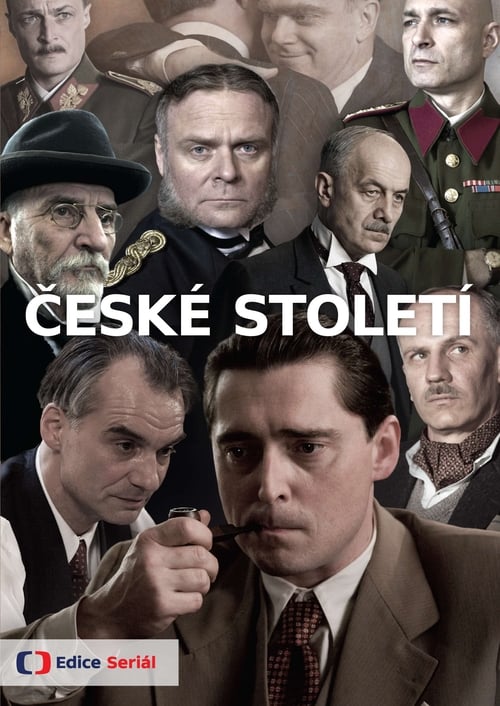
"The Czech Century" is a historical documentary series that chronicles the significant events in Czech history from the late 19th century to the early 21st century. The series is divided into several episodes, each focusing on different periods and key events that shaped the Czech Republic.
The series begins in the late 19th century, highlighting the rise of Czech nationalism within the Austro-Hungarian Empire. It introduces key figures such as Tomáš Masaryk, who becomes a prominent advocate for Czech independence. The narrative details the cultural and political awakening of the Czech people, showcasing the establishment of Czech institutions and the push for greater autonomy.
As the story progresses into the early 20th century, the series depicts the events leading up to World War I. It illustrates the impact of the war on the Czech lands, including the formation of the Czechoslovak Legion, which fights alongside the Allies. The emotional turmoil of soldiers and their families is portrayed, emphasizing the desire for independence from Austro-Hungarian rule.
Following the war, the series covers the establishment of Czechoslovakia in 1918, with Masaryk becoming the first president. The excitement and hope of the new republic are contrasted with the challenges it faces, including ethnic tensions and economic difficulties. The series highlights the efforts to build a national identity and the struggles of various minority groups within the new state.
The narrative then shifts to the interwar period, showcasing the cultural flourishing in Czechoslovakia, including advancements in literature, art, and science. However, it also addresses the political instability and the rise of extremist movements, foreshadowing the challenges that lie ahead. The series captures the internal conflicts and the growing threat of fascism in Europe.
As the 1930s progress, the series depicts the Munich Agreement of 1938, where Czechoslovakia is forced to cede territory to Nazi Germany. The emotional devastation felt by the Czech people is palpable, as they grapple with betrayal by Western powers. The series illustrates the political decisions made by leaders and the impact of these choices on the nation's fate.
World War II brings further turmoil, with the Nazi occupation leading to severe repression and the suffering of the Czech population. The series portrays the resistance movements, highlighting acts of bravery and sacrifice. The assassination of Reinhard Heydrich, a key Nazi official, is depicted in detail, showcasing the planning and execution of this pivotal act of defiance.
After the war, the series covers the liberation of Czechoslovakia and the subsequent establishment of a communist regime in 1948. It details the political purges and the suppression of dissent, as well as the impact on everyday life for Czechs. The emotional weight of betrayal and loss is evident as families are torn apart by political ideologies.
The narrative then transitions to the Prague Spring of 1968, a period of political liberalization that is ultimately crushed by the Soviet invasion. The series captures the hope and optimism of the Czechoslovak people, juxtaposed with the brutal reality of the invasion. The emotional turmoil of citizens witnessing the loss of their freedoms is powerfully portrayed.
As the story moves into the 1980s, the series highlights the growing discontent with the communist regime, leading to the Velvet Revolution in 1989. The peaceful protests and the role of key figures like Václav Havel are depicted, showcasing the determination of the people to reclaim their rights. The emotional highs and lows of this transformative period are vividly illustrated.
The series concludes with the dissolution of Czechoslovakia in 1993, leading to the establishment of the Czech Republic and Slovakia as separate nations. The emotional complexity of this separation is explored, as citizens reflect on their shared history while embracing their new identities. The final scenes capture the hope and challenges of the new republic, leaving viewers with a sense of the ongoing journey of the Czech people.
🔥 Trending TV Shows Now
Browse All TV Shows →



What is the ending?
The ending of "The Czech Century" sees the culmination of the characters' struggles against the backdrop of significant historical events in Czech history. The series concludes with a reflection on the impact of these events on the lives of the characters, showcasing their personal growth and the changes in their relationships.
As the series draws to a close, we witness the characters grappling with the consequences of their choices and the historical turmoil surrounding them. The final scenes highlight the resilience of the Czech people and the enduring spirit of the characters, even as they face uncertainty about the future.
In a more detailed narrative:
The final episodes of "The Czech Century" unfold against the backdrop of the Velvet Revolution, a pivotal moment in Czech history. The atmosphere is charged with anticipation and hope as the characters navigate the shifting political landscape.
Scene 1: The streets of Prague are alive with protests. People gather, chanting for freedom and democracy. Among them is the character of Jan, who has been a steadfast advocate for change throughout the series. His face reflects a mix of determination and anxiety as he stands shoulder to shoulder with fellow citizens, feeling the weight of history on his shoulders.
Scene 2: In a quieter moment, we see Anna, Jan's love interest, watching the protests from her window. She is torn between her desire for a peaceful life and her commitment to the cause. Her internal conflict is palpable as she grapples with the fear of losing Jan to the chaos outside. The camera lingers on her face, capturing the tears that well up in her eyes, symbolizing her love and worry.
Scene 3: The narrative shifts to a meeting of the underground resistance. Here, we find Pavel, a character who has struggled with his identity throughout the series. He is now more resolute than ever, rallying his comrades with a passionate speech about the importance of standing up against oppression. His transformation from a hesitant participant to a leader is evident, and the camaraderie among the group is palpable.
Scene 4: As the revolution gains momentum, we see the characters' lives intertwining. Jan and Pavel meet in a tense moment, discussing their hopes and fears. Jan expresses his desire for a better future, while Pavel reflects on the sacrifices that may be necessary. Their conversation is charged with emotion, revealing their deep bond and the weight of their shared experiences.
Scene 5: The climax of the series occurs during a massive demonstration in Wenceslas Square. The camera captures the sea of people, their faces filled with hope and determination. Jan and Anna finally reunite in the crowd, their embrace symbolizing the love that has endured despite the turmoil. They share a moment of quiet amidst the chaos, reaffirming their commitment to each other and their shared vision for a free Czech Republic.
Scene 6: As the revolution succeeds, the characters face the aftermath. Jan and Anna stand together, looking out over the city, their expressions a mix of relief and uncertainty. They know that while they have achieved a significant victory, the road ahead will be fraught with challenges. Pavel, now a prominent figure in the new political landscape, reflects on the sacrifices made and the work that still lies ahead.
Scene 7: The series concludes with a montage of the characters moving forward in their lives. Jan and Anna begin to plan their future together, hopeful yet aware of the complexities of rebuilding their nation. Pavel takes on a leadership role, determined to guide the new government with integrity. The final shot lingers on the vibrant streets of Prague, symbolizing the resilience of the Czech people and the enduring spirit of the characters.
In the end, "The Czech Century" leaves viewers with a sense of hope and the understanding that while the past shapes the present, the future is still unwritten, filled with possibilities for growth and change. Each character's journey reflects the broader narrative of a nation striving for freedom and identity, encapsulating the essence of the Czech experience during a transformative period in history.
Is there a post-credit scene?
The Czech Century does not feature a post-credit scene. The series, which spans significant events in Czech history throughout the 20th century, concludes its episodes without additional scenes after the credits. Each episode wraps up its narrative arcs and themes, focusing on the historical context and character development without extending into post-credit content. The emphasis remains on the storytelling and the emotional journeys of the characters within the historical framework presented.
What are the key events that shape the character of Tomas Masaryk throughout the series?
Tomas Masaryk, portrayed as a pivotal figure in the series, undergoes significant transformation as he navigates the tumultuous political landscape of Czechoslovakia. Key events include his early advocacy for democracy, his struggles against Austro-Hungarian oppression, and his eventual role in establishing Czechoslovakia as an independent state. His emotional state fluctuates between hope and despair, particularly during moments of betrayal and political strife, showcasing his resilience and commitment to his ideals.
How does the series depict the relationship between Edvard Beneš and Tomas Masaryk?
The relationship between Edvard Beneš and Tomas Masaryk is central to the narrative, characterized by deep mutual respect and ideological alignment. However, as the series progresses, tensions arise due to differing approaches to leadership and national identity. Beneš's internal conflict is palpable as he grapples with loyalty to Masaryk while also feeling the weight of his own ambitions. Their interactions are marked by moments of camaraderie and conflict, reflecting the complexities of their partnership.
What role does the character of Klement Gottwald play in the political upheaval depicted in the series?
Klement Gottwald emerges as a significant antagonist in the series, representing the rise of communism in Czechoslovakia. His character is portrayed with a blend of charisma and ruthlessness, as he manipulates political situations to gain power. The series illustrates his internal motivations, driven by a desire for control and ideological fervor, leading to pivotal moments of conflict with Masaryk and Beneš. His ascent to power is depicted with tension and foreboding, foreshadowing the challenges that lie ahead for the nation.
How does the series illustrate the impact of World War II on Czechoslovakia and its leaders?
The impact of World War II is vividly illustrated through the experiences of Czechoslovak leaders, particularly Masaryk and Beneš. The series captures the emotional turmoil as they confront the Nazi occupation, showcasing their struggles to maintain national integrity and the safety of their citizens. Scenes of resistance, betrayal, and the moral dilemmas faced by the characters highlight the war's devastating effects on their ideals and relationships. The atmosphere is charged with fear and uncertainty, reflecting the broader historical context.
What is the significance of the character of Milada Horáková in the narrative?
Milada Horáková is portrayed as a symbol of resistance and courage within the series. Her character embodies the fight for women's rights and democratic values in a male-dominated political landscape. The narrative follows her journey as she faces persecution for her beliefs, illustrating her internal struggles and unwavering commitment to justice. Her emotional resilience and tragic fate serve as a poignant reminder of the personal costs of political activism, resonating deeply with the audience.
Is this family friendly?
"The Czech Century," produced in 2013, is a historical drama that explores significant events in Czech history throughout the 20th century. While the series is rich in storytelling and offers a deep dive into the cultural and political landscape of the Czech Republic, it does contain some elements that may not be suitable for younger audiences or sensitive viewers.
-
Violence and Conflict: The series depicts various historical conflicts, including wars and political upheaval, which may include scenes of violence, military action, and the impact of war on civilians.
-
Political Oppression: There are portrayals of totalitarian regimes, which may include scenes of oppression, imprisonment, and the struggles of individuals against authoritarian rule.
-
Emotional Turmoil: Characters experience significant emotional distress due to loss, betrayal, and the harsh realities of their historical context, which may be upsetting for some viewers.
-
Historical Atrocities: The show addresses real historical events that involve suffering and tragedy, which could be distressing, particularly for younger viewers who may not fully grasp the context.
-
Mature Themes: The narrative explores complex themes such as identity, nationalism, and the moral dilemmas faced by individuals during tumultuous times, which may be challenging for children to understand.
Overall, while "The Czech Century" is an important exploration of history, its content may require parental guidance for younger viewers or those who are sensitive to intense emotional and historical themes.