




Popular
What is the significance of Midori's relationship with the other characters in the story?
How does Midori's character evolve throughout the film?
What role does the theater setting play in the development of the plot?
Who are the key antagonists in Midori, and what motivates their actions?
What are some pivotal moments that define Midori's struggle against her circumstances?
Should I watch it?
Ask Your Own Question

What is the plot?
Sorry, we aren't able to watch and write up a full detailed plot yet. Check back in a few days.







What is the ending?
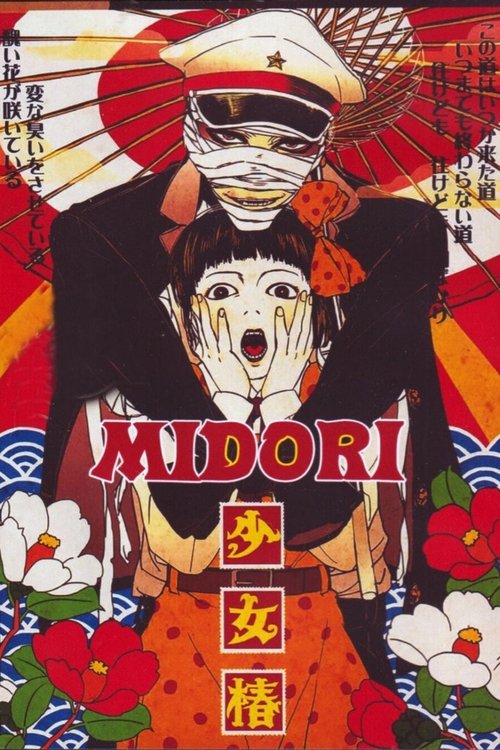
In the ending of "Midori," the protagonist, Midori, faces a tragic culmination of her harrowing experiences. After enduring a series of traumatic events, she ultimately succumbs to despair. The film concludes with a haunting scene that encapsulates her suffering and the loss of innocence.
As the story unfolds towards its conclusion, we find Midori in a state of deep emotional turmoil. She has been subjected to the cruelty and exploitation of those around her, including the sadistic characters who have taken advantage of her vulnerability. The once vibrant and hopeful girl is now a shell of her former self, grappling with the horrors she has faced.
In the final scenes, Midori is confronted by the harsh realities of her existence. The atmosphere is heavy with despair as she navigates through a world that has shown her little kindness. The film's climax reveals the extent of her suffering, as she is ultimately left alone, abandoned by those she once trusted. The emotional weight of her journey culminates in a poignant moment where she realizes the futility of her hopes for a better life.
The film closes on a somber note, leaving viewers with a lingering sense of loss and the stark reminder of the darkness that can exist within humanity. Midori's fate is sealed in tragedy, serving as a powerful commentary on the fragility of innocence and the impact of trauma.
As the final act of "Midori" unfolds, the atmosphere is thick with tension and despair. Midori, the young girl who has endured unimaginable suffering, finds herself in a dimly lit room, surrounded by the remnants of her shattered dreams. The once vibrant colors of her imagination have faded into a bleak palette of grays and browns, mirroring her internal state.
Scene by scene, we witness the culmination of her harrowing journey. Midori is confronted by the sadistic characters who have exploited her innocence throughout the film. Their laughter echoes in the background, a cruel reminder of the joy they derive from her pain. Midori's eyes, once filled with hope, now reflect a deep-seated sorrow. She is a mere shadow of the girl who first entered this world, her spirit crushed under the weight of betrayal and abuse.
In a pivotal moment, Midori is faced with a choice that symbolizes her last grasp at freedom. She stands at a crossroads, torn between the desire to escape her tormentors and the overwhelming sense of hopelessness that has taken root in her heart. The camera lingers on her face, capturing the flicker of determination that briefly ignites before being extinguished by despair. The internal conflict is palpable; she yearns for a way out but feels trapped in a cycle of suffering.
As the climax approaches, the sadistic characters close in on her, their intentions clear. Midori's fate seems sealed as she is once again subjected to their cruelty. The scene is visceral, filled with a sense of impending doom. The viewer can feel her heart racing, the desperation in her eyes as she realizes that escape may not be possible. The emotional stakes are at their highest, and the weight of her experiences crashes down upon her.
In the final moments, Midori is left alone, abandoned by those she once trusted. The camera pulls back, revealing her small figure in the vast emptiness of the room. The silence is deafening, punctuated only by the distant echoes of laughter that haunt her. It is a moment of profound isolation, encapsulating the essence of her journey--a girl who sought love and acceptance but found only pain and betrayal.
The film concludes with a haunting image of Midori, her spirit broken, as she succumbs to the darkness that surrounds her. The screen fades to black, leaving the audience with a lingering sense of loss and the stark reminder of the fragility of innocence. Each character's fate is intertwined with Midori's tragic end, as they represent the various facets of cruelty and exploitation that have shaped her life. The story closes, not with resolution, but with a poignant reflection on the impact of trauma and the loss of hope.
Is there a post-credit scene?
The movie "Midori," produced in 1992, does not have a post-credit scene. The film concludes its narrative without any additional scenes or content after the credits roll. The story wraps up with a dark and impactful ending, leaving the audience to reflect on the harrowing experiences of the protagonist, Midori, and the themes of suffering and resilience that permeate the film. The absence of a post-credit scene aligns with the film's overall tone, emphasizing the gravity of the story rather than providing a lighter or more hopeful conclusion.
What is the significance of Midori's relationship with the other characters in the story?
Midori's relationships are central to the narrative, showcasing her vulnerability and the harsh realities of her life. Her interactions with characters like the sadistic theater troupe members reveal her innocence and the exploitation she faces. The contrast between her naivety and the cruelty of those around her deepens the emotional impact of her journey.
How does Midori's character evolve throughout the film?
Midori begins as a hopeful and innocent girl, but as she endures the traumatic experiences inflicted by the theater troupe, her character transforms. The loss of her innocence is palpable as she grapples with despair, ultimately leading her to a more hardened and cynical view of the world.
What role does the theater setting play in the development of the plot?
The theater serves as a microcosm of the darker aspects of society, where art and cruelty intertwine. It is within this setting that Midori faces her greatest challenges, as the performances often reflect her own suffering. The theater becomes a symbol of both her dreams and her nightmares, amplifying the emotional stakes of her story.
Who are the key antagonists in Midori, and what motivates their actions?
The key antagonists are the members of the theater troupe, particularly the sadistic director and the other performers who exploit Midori for their own gain. Their motivations stem from a desire for power and control, as they revel in the suffering of others, viewing Midori as a mere object for their entertainment rather than a person with feelings.
What are some pivotal moments that define Midori's struggle against her circumstances?
Pivotal moments include her initial arrival at the theater, where she is met with both excitement and dread, and the subsequent scenes where she is subjected to humiliation and abuse. Each encounter strips away her innocence, culminating in moments of defiance that highlight her internal struggle and desire for freedom, even as she feels increasingly trapped.
Is this family friendly?
"Midori," produced in 1992, is not a family-friendly film. It contains several potentially objectionable and upsetting scenes that may be distressing for children or sensitive viewers. Here are some aspects to consider:
-
Graphic Violence: The film features intense and graphic depictions of violence, including scenes of physical abuse and torture that are unsettling and disturbing.
-
Sexual Content: There are explicit sexual themes and scenes that are portrayed in a very graphic manner, which are inappropriate for younger audiences.
-
Psychological Horror: The film delves into themes of madness and despair, showcasing characters in extreme emotional distress, which can be unsettling.
-
Dark Themes: The narrative explores heavy themes such as exploitation, trauma, and the darker aspects of human nature, which may be too intense for younger viewers.
-
Disturbing Imagery: The animation style and visual presentation can be jarring, with surreal and grotesque imagery that may provoke discomfort.
Overall, "Midori" is intended for a mature audience and contains content that is likely to be upsetting for children or those sensitive to such themes.






