
















































Popular
What is the significance of the assassination plot in The Interpreter?
How does Silvana's past influence her actions in the film?
What role does Tobin Keller play in Silvana's journey?
How does the setting of the United Nations contribute to the film's tension?
What is the significance of Silvana's ability to speak multiple languages?
Should I watch it?
Ask Your Own Question

What is the plot?
Sorry, we aren't able to watch and write up a full detailed plot yet. Check back in a few days.








What is the ending?
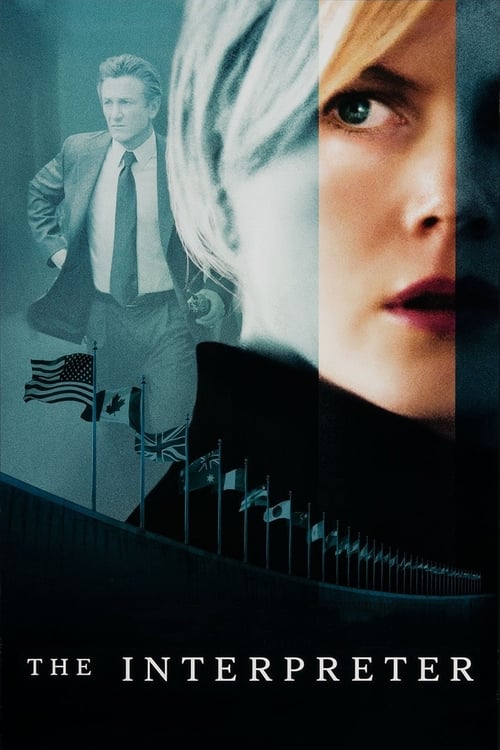
In the ending of "The Interpreter," Silvia Broome, the protagonist, successfully exposes the conspiracy surrounding the assassination plot against a fictional African leader. She confronts the threats against her life and ultimately finds a sense of closure regarding her traumatic past. The film concludes with her walking away from the United Nations building, symbolizing her newfound freedom and resilience.
Now, let's delve into the ending in a more detailed narrative fashion:
As the climax of the film unfolds, the tension escalates within the United Nations building. Silvia Broome, portrayed by Nicole Kidman, is in a race against time to reveal the truth about the assassination plot she overheard while working as an interpreter. The stakes are high, and she is acutely aware that her life is in danger. The atmosphere is thick with suspense as she navigates the labyrinthine corridors of the UN, her heart pounding with fear and determination.
In a pivotal scene, Silvia meets with Tobin Keller, played by Sean Penn, who has been assigned to protect her. Their relationship has evolved from one of suspicion to a deep bond forged through shared danger. Tobin, a seasoned Secret Service agent, is torn between his duty to protect Silvia and his growing trust in her. As they work together to uncover the truth, the emotional weight of their pasts and the present danger they face intertwine.
Silvia reveals the details of the plot to Tobin, explaining how she overheard a conversation about the assassination of the fictional African leader, Zuwanie. The urgency of the situation becomes palpable as they realize that the assassination is set to occur during a high-profile event at the UN. The clock is ticking, and they must act quickly to prevent the tragedy.
In a tense sequence, they confront the conspirators, leading to a dramatic showdown. The film captures the chaos of the moment, with gunfire echoing through the halls and the frantic movement of people trying to escape the unfolding violence. Silvia's courage shines through as she stands her ground, determined to see justice served. Her internal struggle is evident; she grapples with her past traumas while fighting for a cause greater than herself.
As the confrontation reaches its peak, Silvia's bravery leads to the exposure of the plot. The authorities are alerted, and the would-be assassins are apprehended. In the aftermath, the emotional toll of the events weighs heavily on Silvia. She has faced her fears and emerged victorious, but the scars of her past remain.
In the final scenes, Silvia walks away from the United Nations building, a place that once felt like a prison of her memories. The camera captures her solitary figure against the backdrop of the bustling city, symbolizing her journey toward healing and empowerment. She has reclaimed her voice and her agency, no longer just a witness to violence but an active participant in shaping her destiny.
Tobin, having fulfilled his duty, watches her leave with a sense of respect and admiration. Their paths may diverge, but the bond they formed in the face of danger lingers. The film closes on a note of hope, suggesting that even in the darkest of circumstances, individuals can find strength and resilience.
In summary, Silvia Broome emerges from the harrowing events with a renewed sense of purpose, while Tobin Keller stands as a protector who has witnessed her transformation. The ending encapsulates themes of courage, redemption, and the power of the human spirit to overcome adversity.
Is there a post-credit scene?
The Interpreter, produced in 2005, does not have a post-credit scene. The film concludes with the resolution of its main plot, focusing on the aftermath of the events surrounding the assassination plot and the characters' journeys. After the credits roll, there are no additional scenes or content that extend the story or provide further insight into the characters. The film wraps up with a sense of closure, leaving the audience to reflect on the themes of communication, understanding, and the impact of political turmoil.
What is the significance of the assassination plot in The Interpreter?
The assassination plot serves as the central conflict of the film, driving the narrative forward. It revolves around the character of Silvana, a United Nations interpreter who overhears a conversation about a planned assassination of a controversial African leader. This revelation puts her life in danger and sets off a chain of events that intertwines her fate with that of the Secret Service agent, Tobin Keller. The plot highlights themes of political intrigue and the personal risks involved in speaking out against tyranny.
How does Silvana's past influence her actions in the film?
Silvana's past is deeply intertwined with her motivations throughout the film. As a survivor of a violent regime in her home country, she carries the emotional scars of loss and trauma. Her experiences shape her decision to come forward with the information she overheard, as she feels a moral obligation to prevent further violence. This internal struggle is evident in her interactions with Tobin, where her fear and determination clash, revealing her complex emotional state.
What role does Tobin Keller play in Silvana's journey?
Tobin Keller, played by Sean Penn, is a Secret Service agent assigned to protect Silvana after she reports the assassination plot. His role is crucial as he becomes both her protector and confidant. Initially skeptical of her claims, Tobin's character evolves as he learns more about Silvana's past and the authenticity of her fears. His growing empathy and understanding of her plight drive him to take risks, ultimately leading to a deeper connection between them as they navigate the dangers surrounding the assassination plot.
How does the setting of the United Nations contribute to the film's tension?
The United Nations setting is pivotal in creating a backdrop of political tension and international intrigue. The film utilizes the grandeur and formality of the UN to contrast with the personal stakes of Silvana and Tobin. The bustling environment of diplomats and world leaders amplifies the urgency of the assassination plot, as Silvana's life hangs in the balance amidst global politics. The juxtaposition of the high-stakes negotiations and the personal drama of the characters enhances the film's suspense.
What is the significance of Silvana's ability to speak multiple languages?
Silvana's multilingual abilities are not only a testament to her professional skills as an interpreter but also serve as a metaphor for her complex identity and experiences. Her language skills allow her to navigate different cultural contexts, which is crucial in her role at the UN. However, they also highlight her isolation, as she often feels disconnected from those around her. This linguistic proficiency becomes a tool for her to communicate her fears and truths, ultimately playing a key role in her quest for justice and safety.
Is this family friendly?
"The Interpreter," produced in 2005, is a political thriller that contains several elements that may not be suitable for children or sensitive viewers. Here are some potentially objectionable or upsetting aspects:
-
Violence and Threats: The film includes scenes of violence, including threats against characters, which may be intense and unsettling.
-
Political Assassination: The plot revolves around a potential assassination, which involves discussions and depictions of political turmoil and conflict.
-
Mature Themes: The film addresses heavy themes such as genocide, war, and the impact of political strife on individuals and communities, which may be distressing.
-
Emotional Trauma: Characters experience significant emotional distress, including fear, anxiety, and trauma related to their past experiences, which could be upsetting for sensitive viewers.
-
Language: There are instances of strong language that may not be appropriate for younger audiences.
Overall, while the film is a gripping narrative, its mature themes and intense scenes may not be suitable for children or those who are sensitive to such content.







