





Popular
What role does the setting play in the development of the plot?
How do the characters' relationships evolve throughout the film?
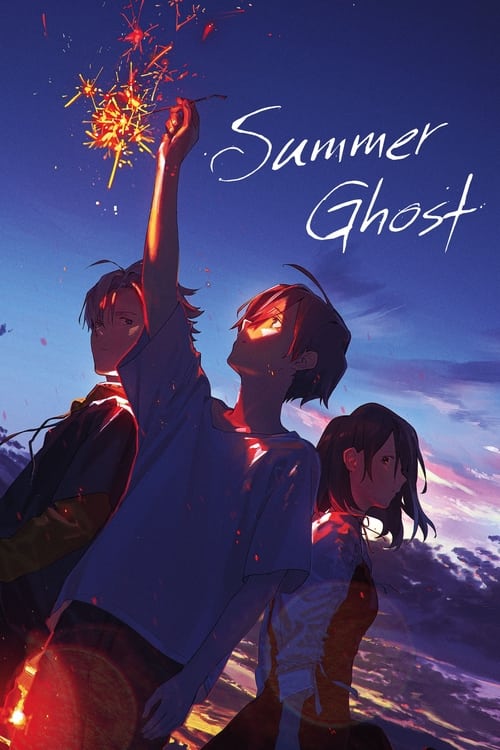
Who are the main characters in Summer Ghost and what are their backgrounds?
What is the significance of the summer ghost in the story?
What are the key events that lead to the characters' confrontation with the summer ghost?
Should I watch it?
Ask Your Own Question

What is the plot?
Sorry, we aren't able to watch and write up a full detailed plot yet. Check back in a few days.
More Movies Like This
Browse All Movies →



What is the ending?
In the ending of "Summer Ghost," the three main characters, Aoi, Tsubasa, and Ryou, confront their fears and regrets. Aoi, who has been struggling with her own emotional turmoil, ultimately sacrifices herself to save Tsubasa, who is haunted by his own past. Ryou, who has been a supportive friend, is left to grapple with the loss of Aoi and the impact of their experiences together. The film concludes with a poignant sense of loss and the lingering presence of Aoi's spirit.
As the film approaches its conclusion, the atmosphere grows increasingly tense and emotional. The trio of friends--Aoi, Tsubasa, and Ryou--find themselves at a secluded location, a place that holds significance for Aoi. The sun begins to set, casting a warm yet melancholic glow over the landscape, symbolizing the fleeting nature of their time together.
Scene by scene, the narrative unfolds:
The first scene shows Aoi standing alone, her expression a mix of determination and sadness. She has been grappling with her own feelings of isolation and despair, and the weight of her internal struggles is palpable. Tsubasa and Ryou approach her, their faces reflecting concern and confusion. They sense that Aoi is on the brink of a decision that could change everything.
In the next scene, the trio gathers around a small fire, the flickering flames illuminating their faces. They share stories and memories, laughter mingling with the underlying tension. Aoi's laughter is tinged with a bittersweet quality, as she knows that this moment may be one of their last together. Tsubasa, still haunted by his own regrets, tries to lighten the mood, but his eyes betray his inner turmoil.
As the night deepens, Aoi reveals her desire to confront the ghost that has been haunting her. She believes that by facing this specter, she can finally find peace. Tsubasa and Ryou are hesitant, fearing for her safety, but Aoi's resolve is unshakeable. She feels a deep connection to the ghost, believing it to be a reflection of her own struggles.
The next scene shifts to a more eerie setting, where the ghost appears. The atmosphere is thick with tension as Aoi steps forward, her heart racing. Tsubasa and Ryou watch anxiously, their expressions a mix of fear and support. Aoi's confrontation with the ghost is intense; she expresses her pain and regrets, seeking understanding and closure. The ghost, a manifestation of Aoi's own fears, responds with a haunting presence that forces her to confront her darkest thoughts.
In a climactic moment, Aoi makes a selfless choice. She realizes that in order to save Tsubasa from his own despair, she must sacrifice herself. The scene is heart-wrenching as she turns to her friends, her eyes filled with tears yet resolute. Tsubasa and Ryou plead with her to reconsider, but Aoi's decision is made. She steps forward, embracing the ghost, and in that moment, a blinding light envelops her.
The next scene shows Tsubasa and Ryou standing in shock, the light fading to reveal an empty space where Aoi once stood. The weight of her sacrifice hangs heavy in the air, and the reality of their loss begins to sink in. Tsubasa collapses to his knees, overwhelmed by grief, while Ryou stands beside him, trying to offer comfort despite his own sorrow.
In the final moments of the film, Ryou and Tsubasa are left to navigate their lives without Aoi. The sun rises, casting a new light on the landscape, symbolizing the dawn of a new day but also the permanence of their loss. Tsubasa, still grappling with his emotions, reflects on Aoi's bravery and the impact she had on their lives. Ryou, holding onto the memories of their time together, vows to honor Aoi's spirit by living fully and embracing the connections they shared.
The film concludes with a poignant reminder of the fragility of life, the importance of confronting one's fears, and the enduring bonds of friendship, even in the face of loss. Each character is left to carry the weight of their experiences, forever changed by the summer they spent together.
Is there a post-credit scene?
In the movie "Summer Ghost," there is no post-credit scene. The film concludes its narrative without any additional scenes after the credits roll. The story wraps up with a poignant resolution, focusing on the emotional journeys of the main characters and their experiences with loss, friendship, and the supernatural. The absence of a post-credit scene allows the audience to reflect on the themes presented throughout the film, emphasizing the impact of the characters' encounters and the bittersweet nature of their summer together.
What role does the setting play in the development of the plot?
The setting of Summer Ghost, primarily taking place in a rural town during the summer, plays a crucial role in establishing the film's atmosphere. The quiet, nostalgic backdrop enhances the themes of youth and fleeting moments. The abandoned places they explore, such as the old school and the fields, symbolize the characters' inner turmoil and the passage of time. The summer setting also evokes a sense of urgency and transience, mirroring the characters' emotional journeys.
How do the characters' relationships evolve throughout the film?
As the story progresses, the relationships between Aoi, Tsubasa, and Rio deepen. Initially, they are strangers brought together by their curiosity about the summer ghost. However, as they share their personal stories and confront their fears, they develop a bond that helps them cope with their individual struggles. Their interactions reveal vulnerabilities and foster a sense of camaraderie, ultimately leading to a poignant understanding of each other's pain.
Who are the main characters in Summer Ghost and what are their backgrounds?
The main characters in Summer Ghost are three teenagers: Aoi, a girl who is struggling with her feelings of isolation and the pressures of adolescence; Tsubasa, a boy who is dealing with the loss of his mother and his own emotional turmoil; and Rio, a boy who is fascinated by the supernatural and is searching for meaning in his life. Each character brings their own personal struggles and motivations to the story, which intertwine as they seek to understand the mystery of the summer ghost.
What is the significance of the summer ghost in the story?
The summer ghost represents the unresolved emotions and traumas of the characters. It serves as a catalyst for their personal growth and exploration of their fears and regrets. The ghost's appearance prompts the characters to confront their own issues, particularly Aoi's feelings of loneliness, Tsubasa's grief, and Rio's existential questions. The ghost embodies the themes of connection and the impact of loss.
What are the key events that lead to the characters' confrontation with the summer ghost?
The key events leading to the confrontation with the summer ghost include the trio's initial meeting, where they bond over their shared curiosity about the supernatural. They conduct research and gather stories about the ghost, which builds anticipation. As they venture into the locations associated with the ghost, they each reveal their personal struggles, culminating in a climactic encounter where they confront the ghost. This moment serves as a turning point for each character, forcing them to face their fears and unresolved issues.
Is this family friendly?
"Summer Ghost," produced in 2021, is a poignant animated film that explores themes of loss, grief, and the connections between the living and the dead. While it is visually stunning and emotionally resonant, it does contain elements that may be considered objectionable or upsetting for children or sensitive viewers.
-
Themes of Death and Grief: The film delves into the emotional weight of loss, which may be difficult for younger audiences to fully comprehend or process.
-
Suicidal Ideation: There are discussions and implications surrounding suicide, particularly in relation to the character's struggles with their own feelings of despair.
-
Ghostly Appearances: The presence of a ghost may be unsettling for some viewers, especially younger children who might find the concept of spirits frightening.
-
Emotional Turmoil: Characters experience significant emotional pain and conflict, which could be distressing for sensitive viewers.
-
Isolation and Loneliness: The film portrays feelings of isolation and the longing for connection, which may resonate deeply and evoke sadness.
Overall, while "Summer Ghost" is a beautifully crafted narrative, its exploration of heavy themes may not be suitable for all children or sensitive individuals. Viewer discretion is advised.








